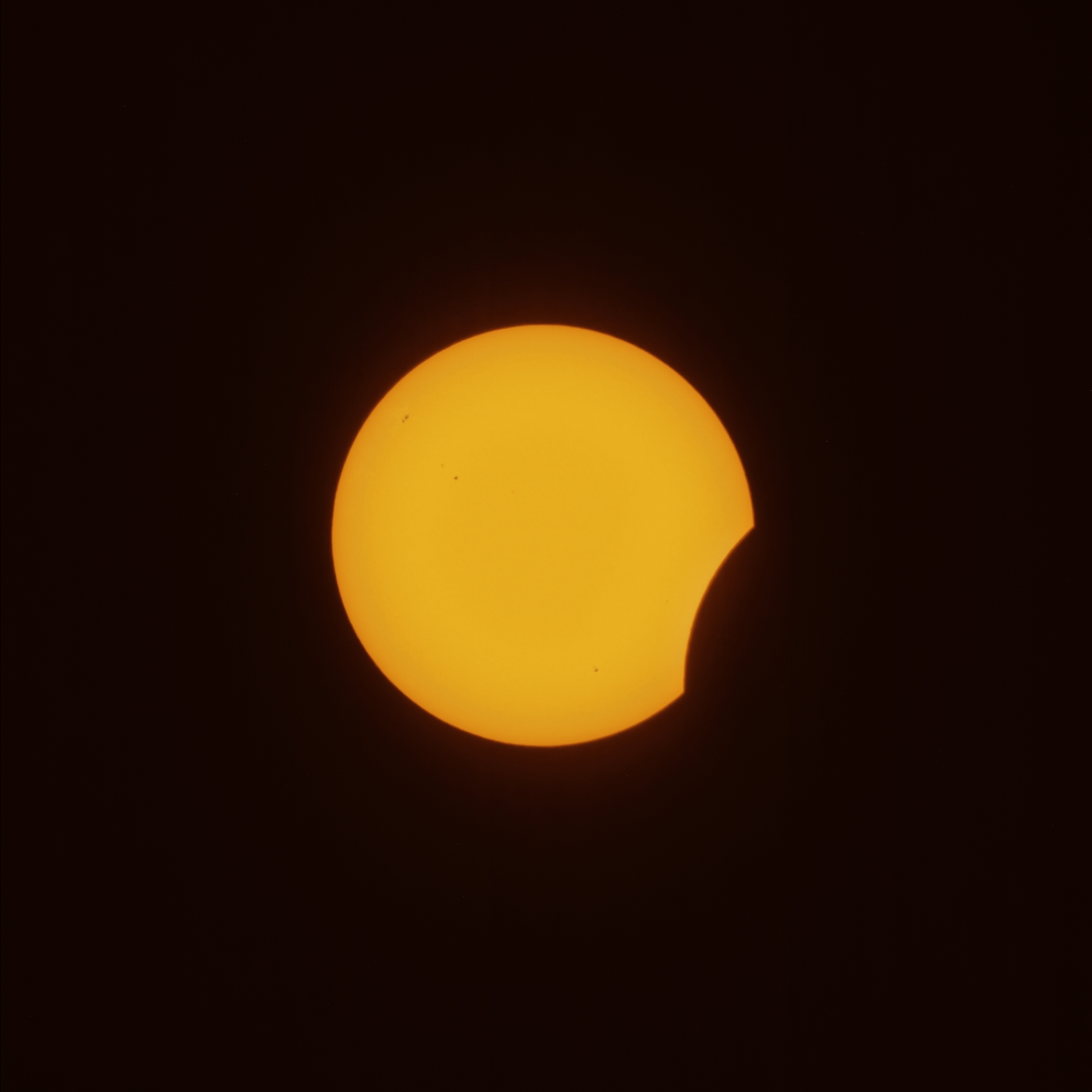
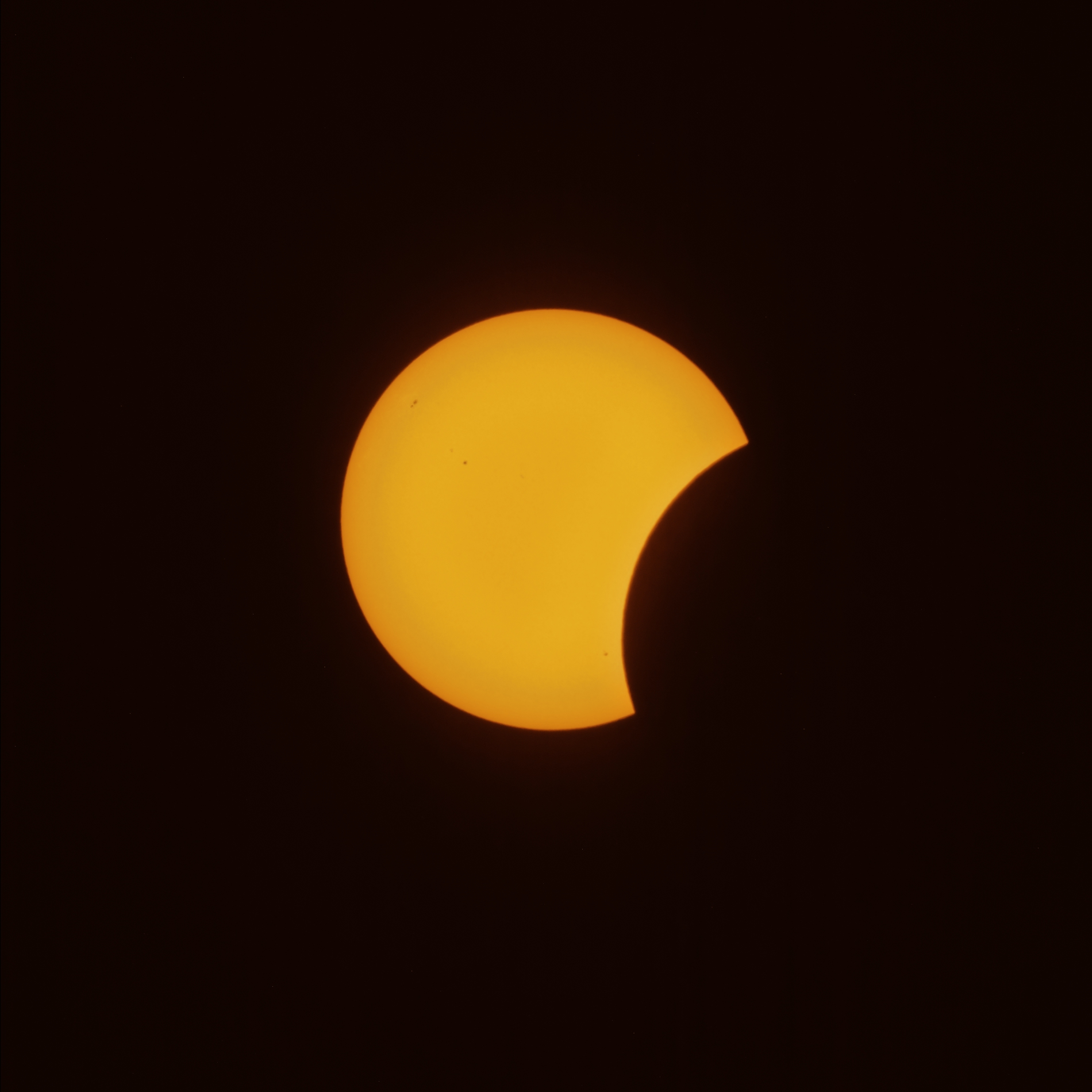
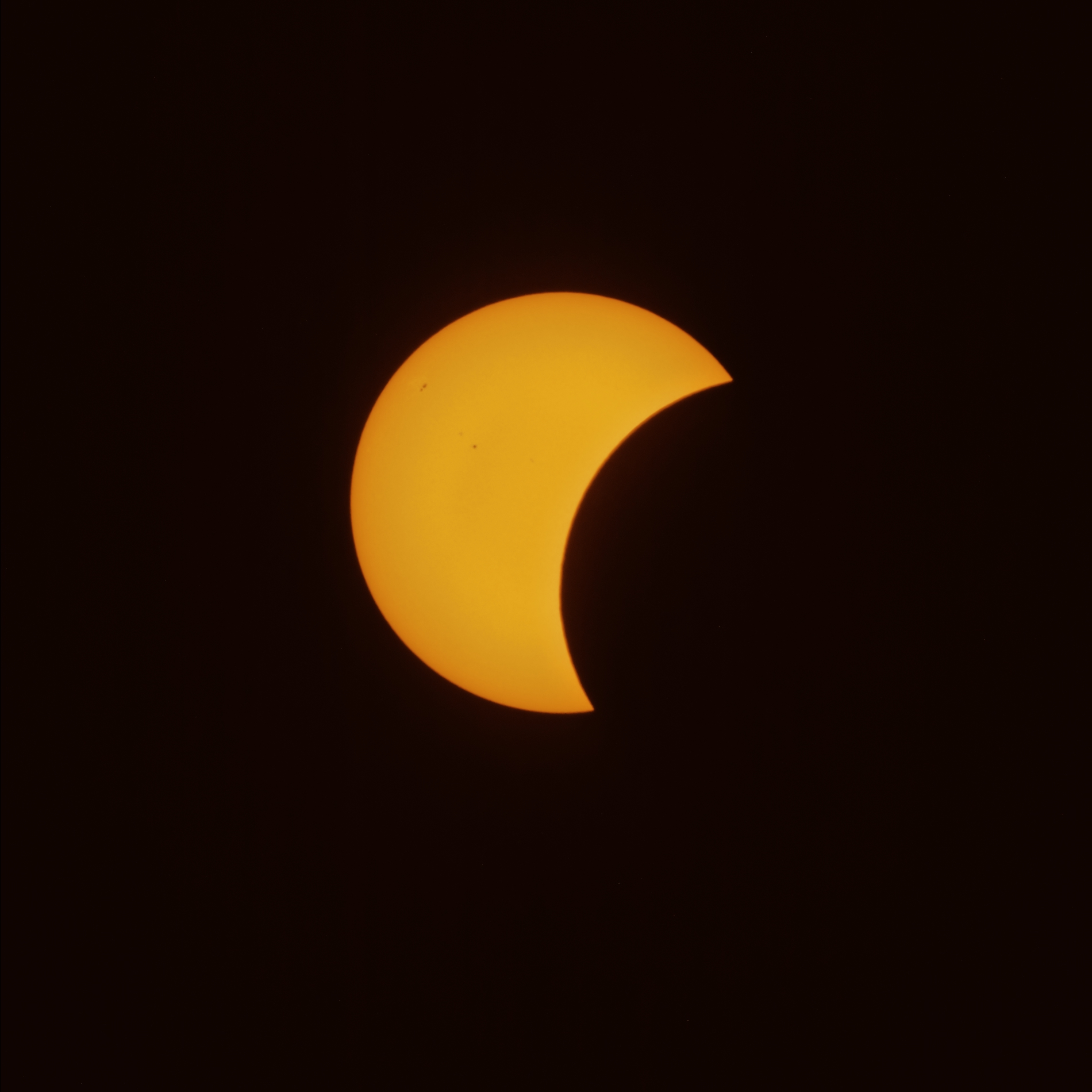
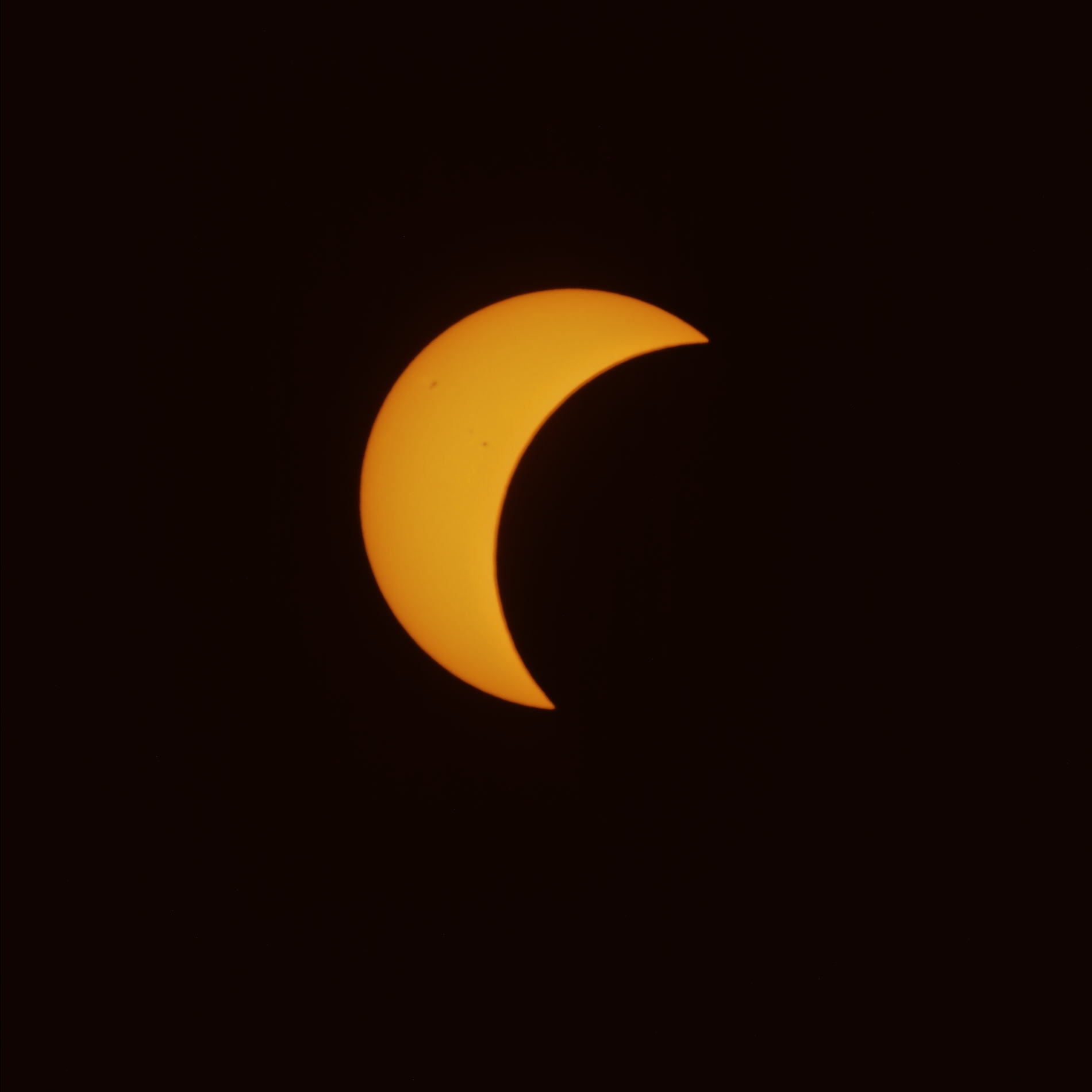
I know it is the typical cliché, but in my case it is very true: when I was 10–11 years old, I saw Carl Sagan's Cosmos series on television and I was absolutely fascinated by what was out in space. Nebulae, planets, comets, stars being born and exploding into novae and supernovae... Later on, I learned that there was a passion (yes, a passion!) called astrophotography that allowed you to capture most of these cosmic wonders. Over time, I have gradually acquired a relatively modest equipment that allows me to enjoy these cosmic wonders.
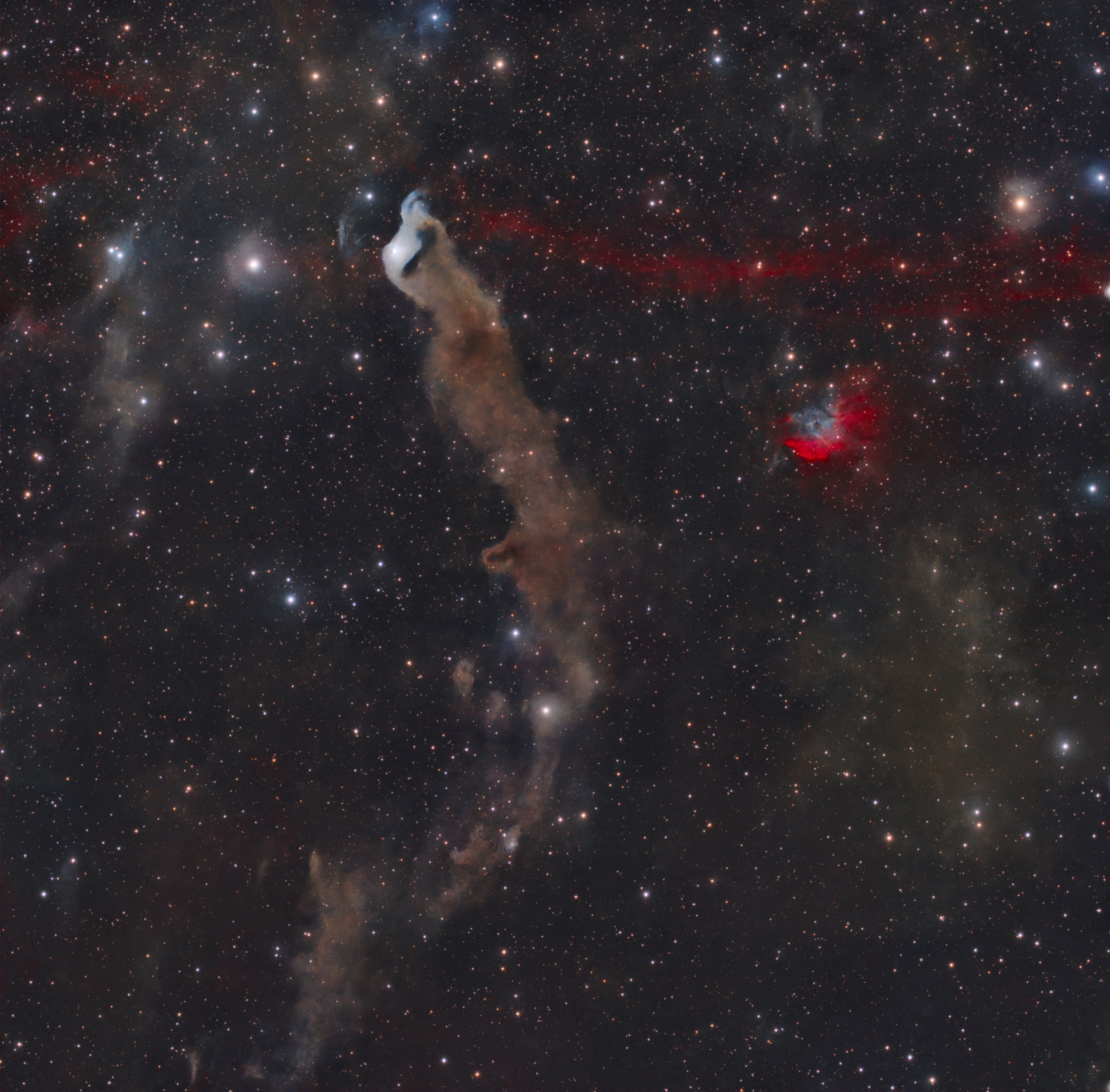
Click on the images if you want to view them in large format as well as the details of how they are made:


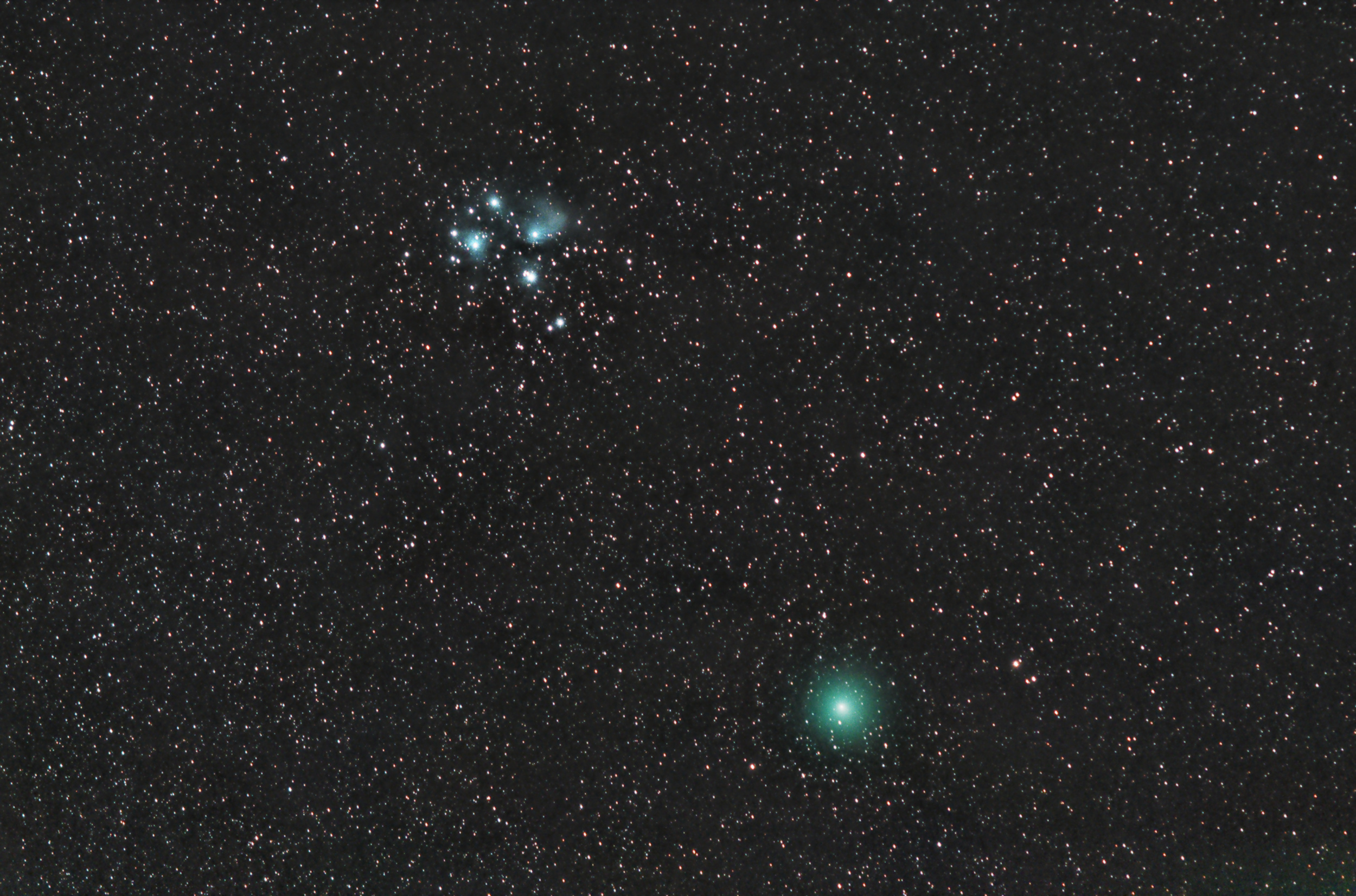


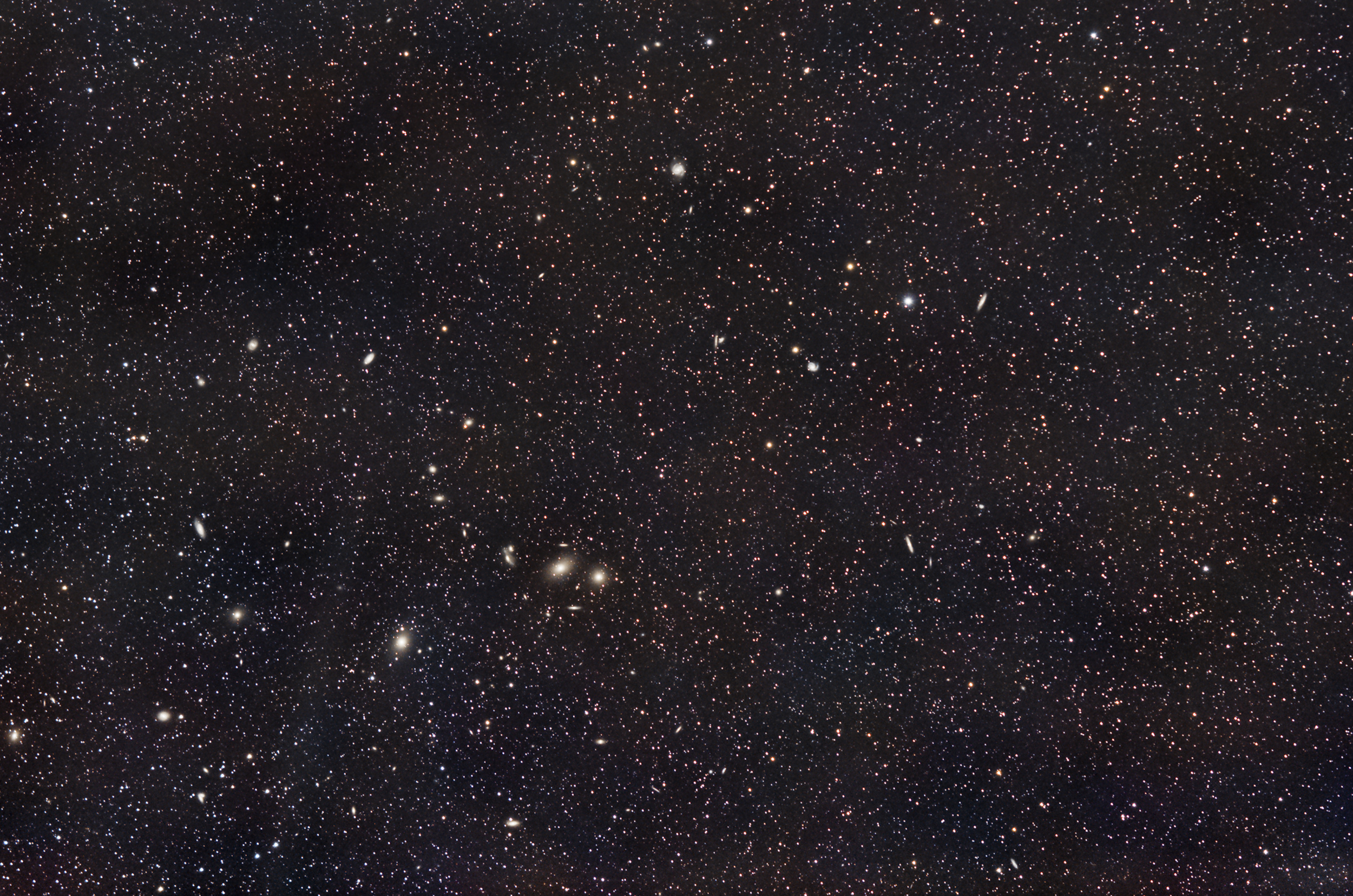


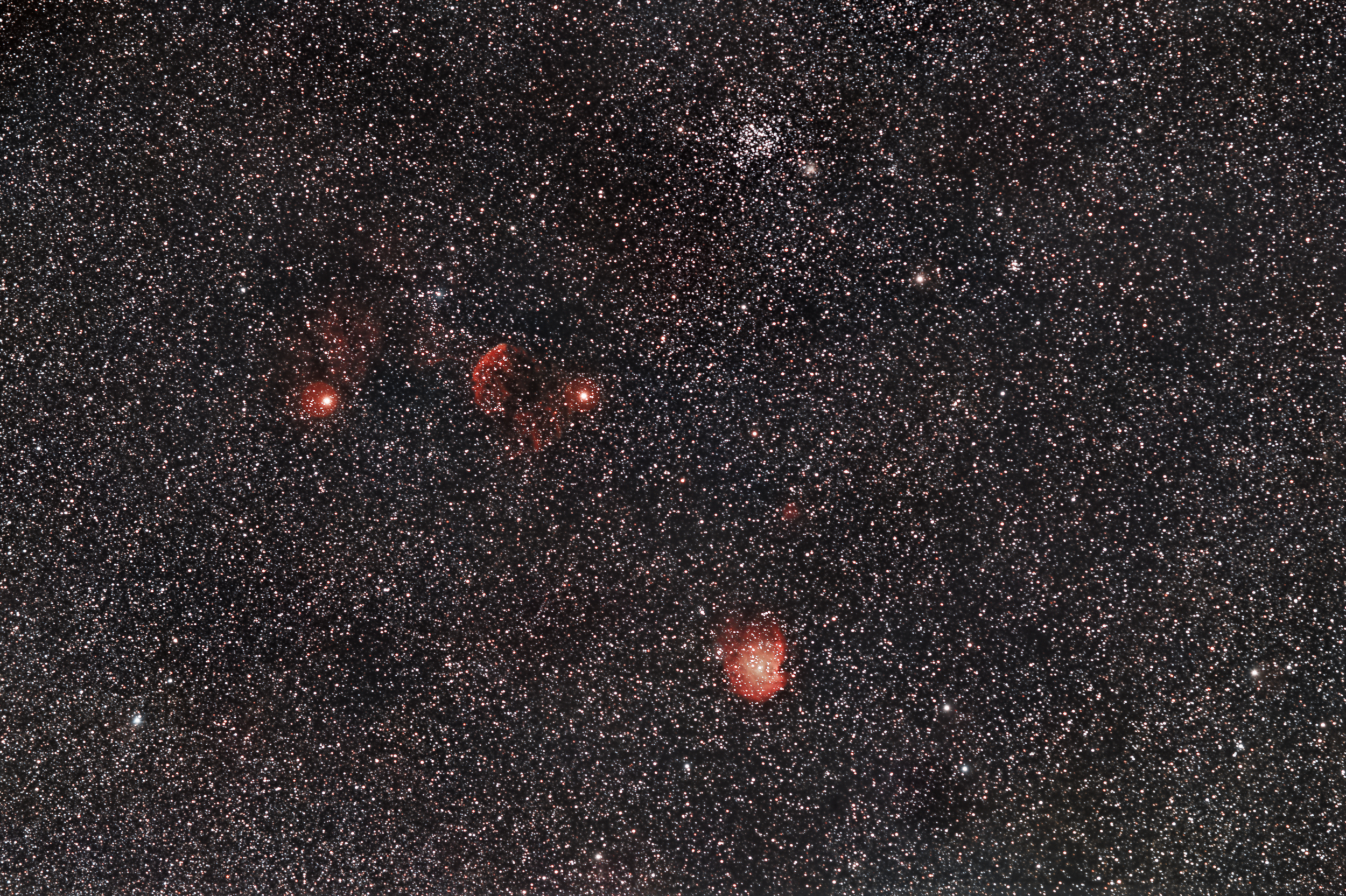


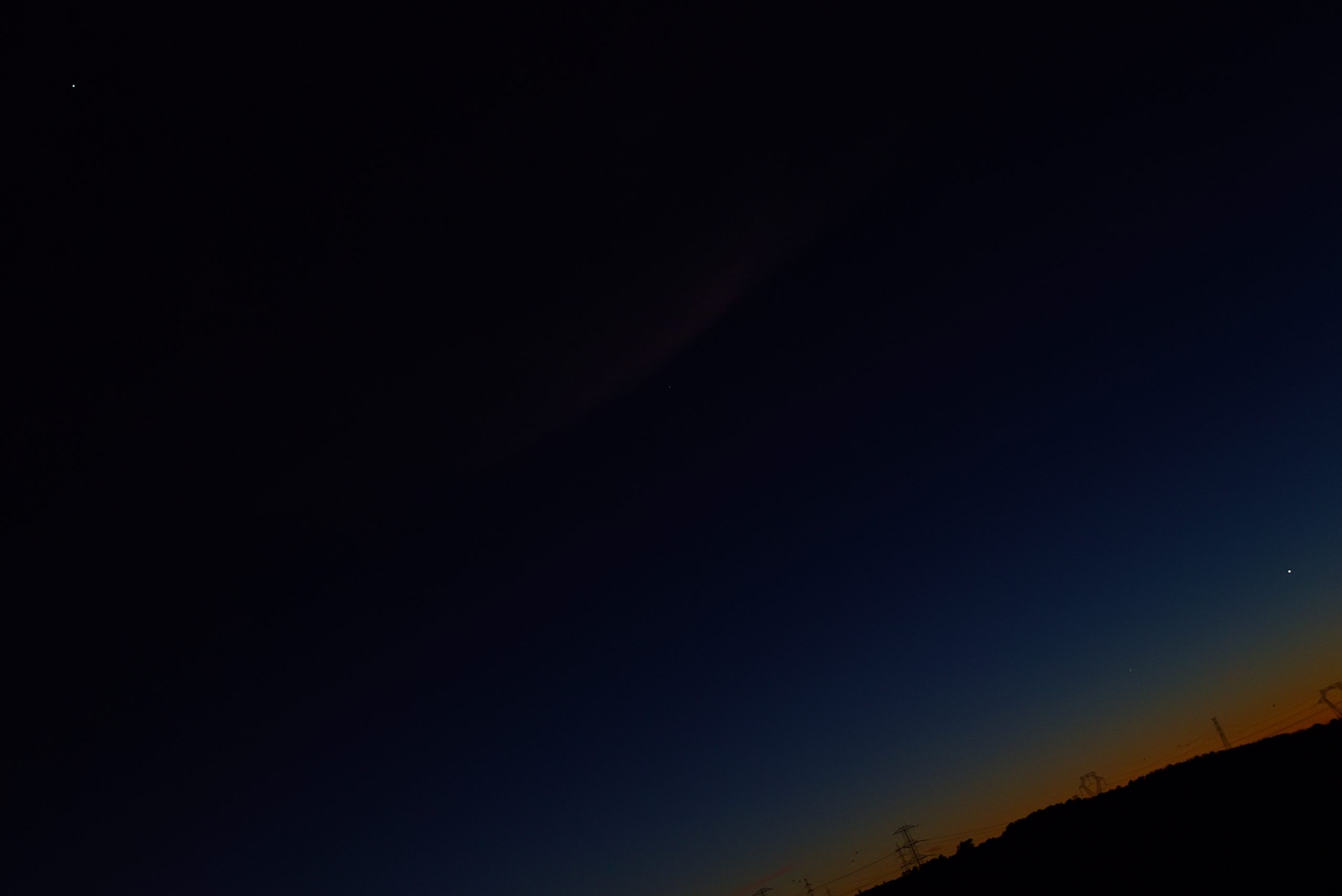
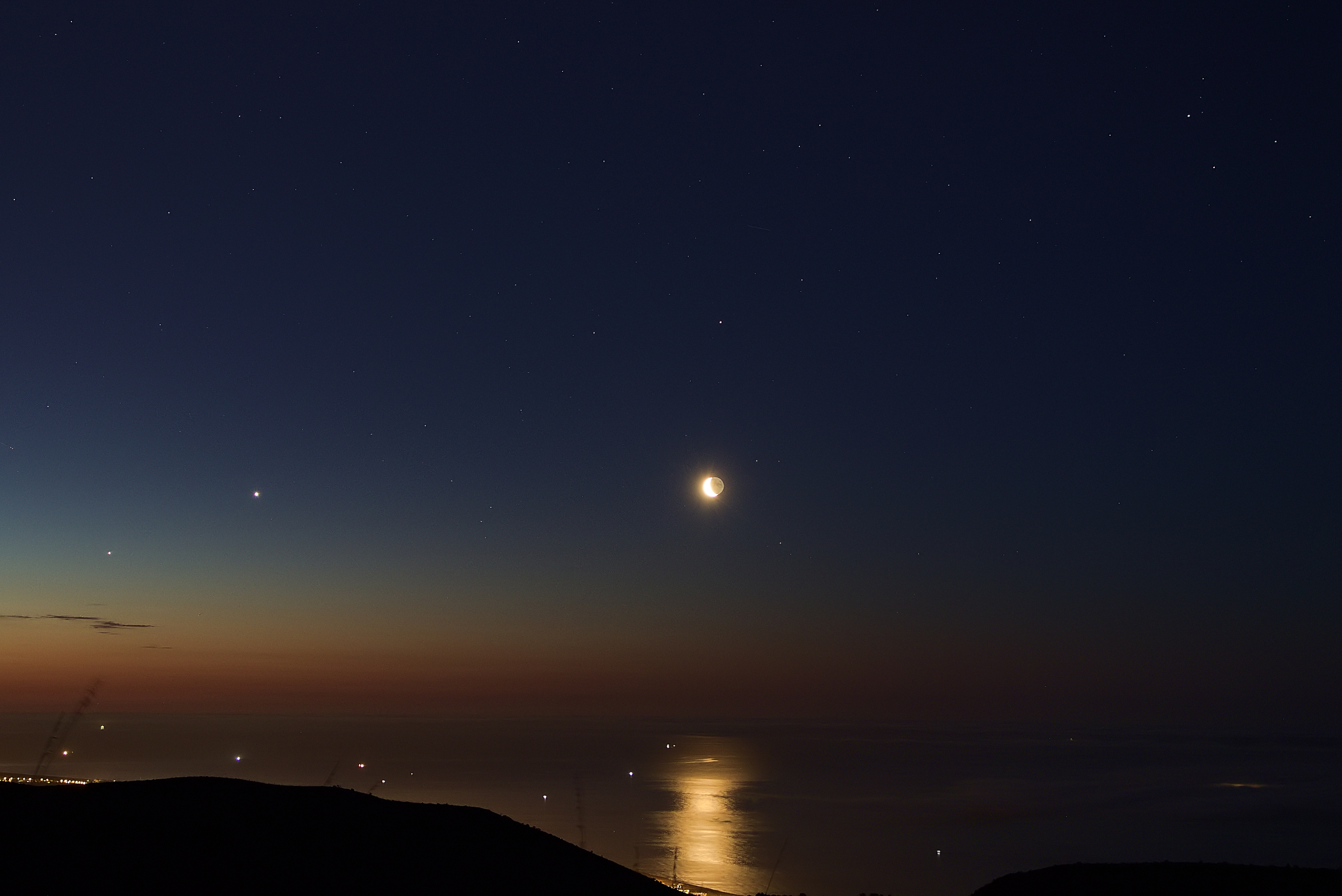
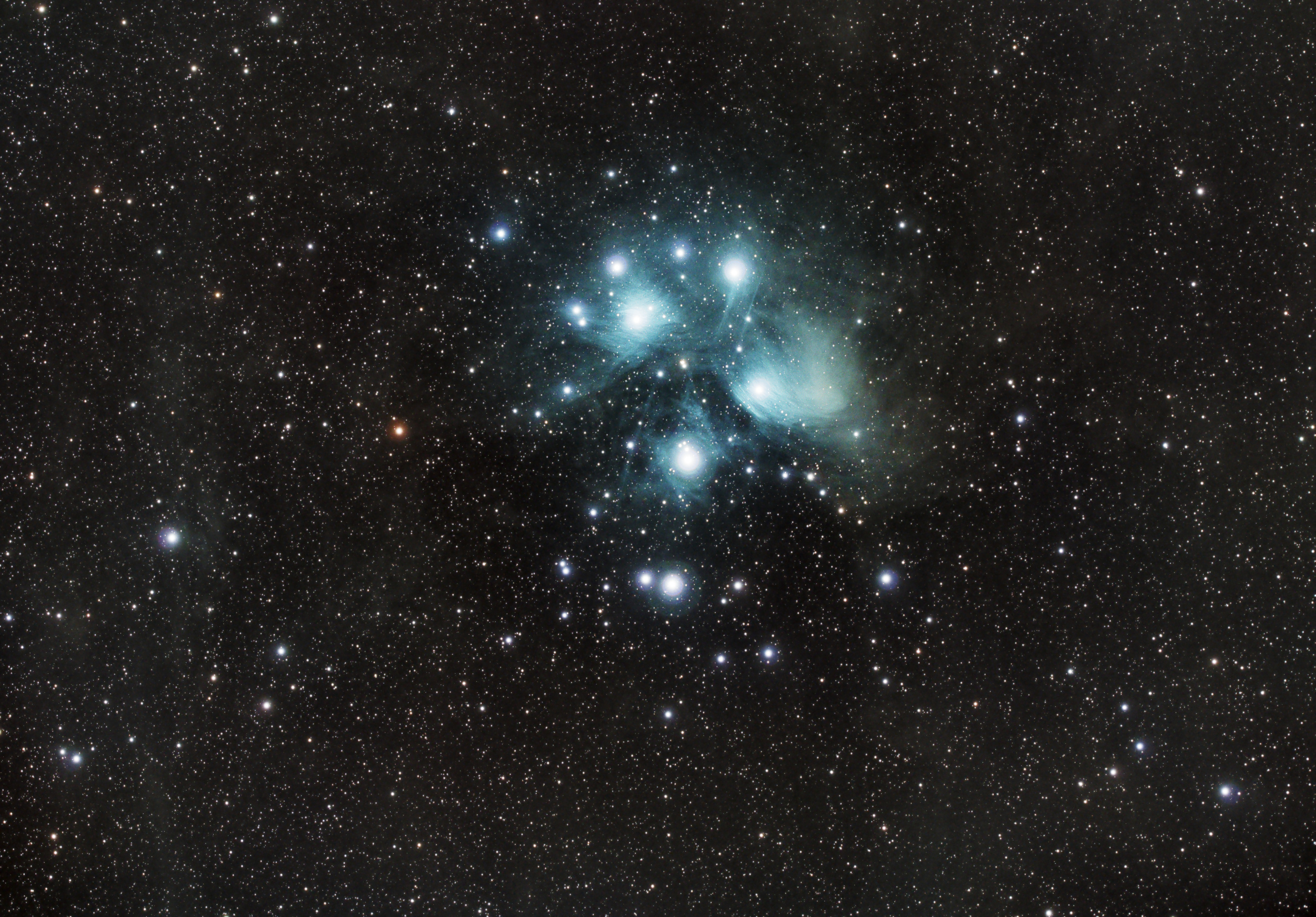
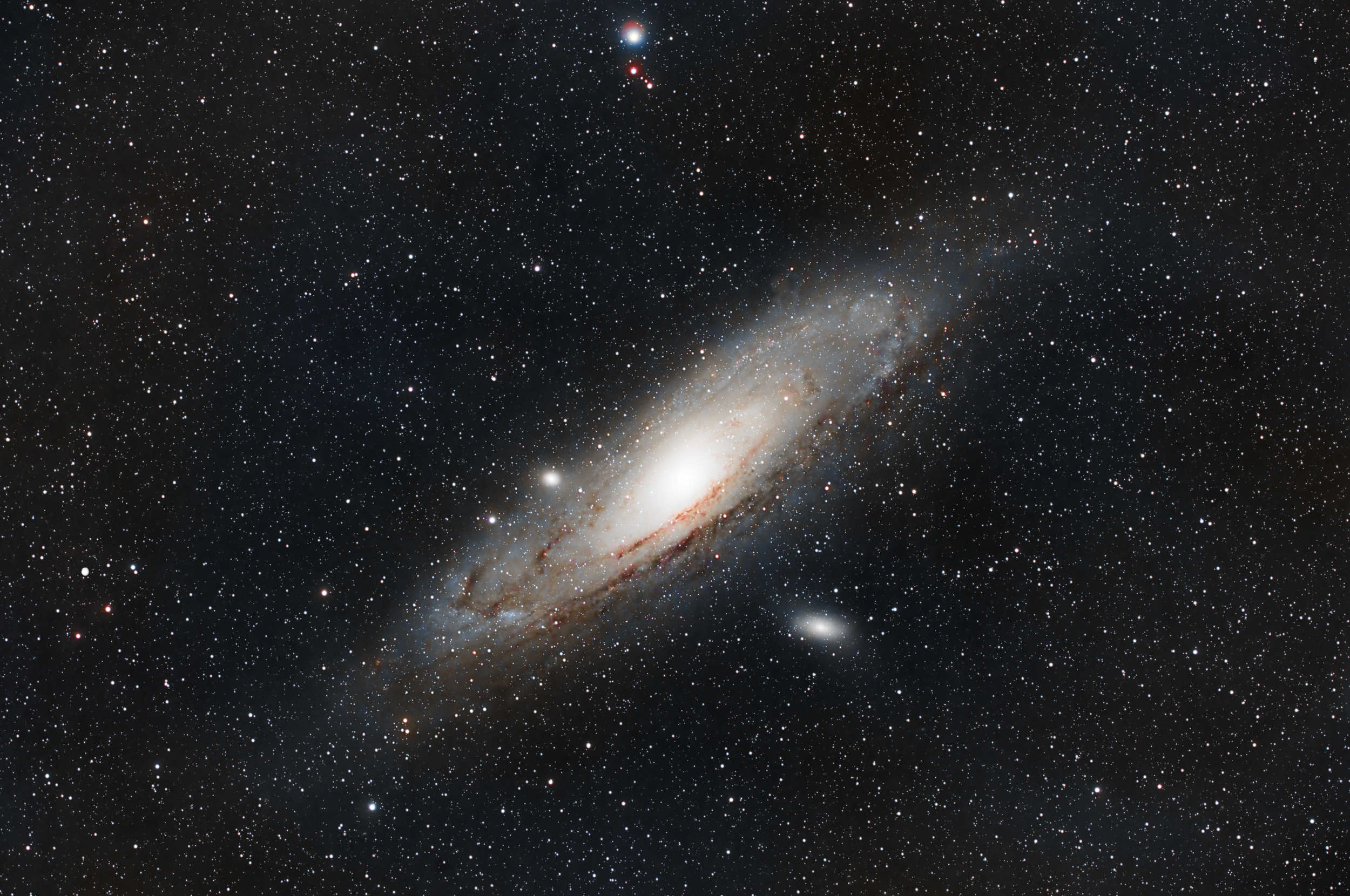
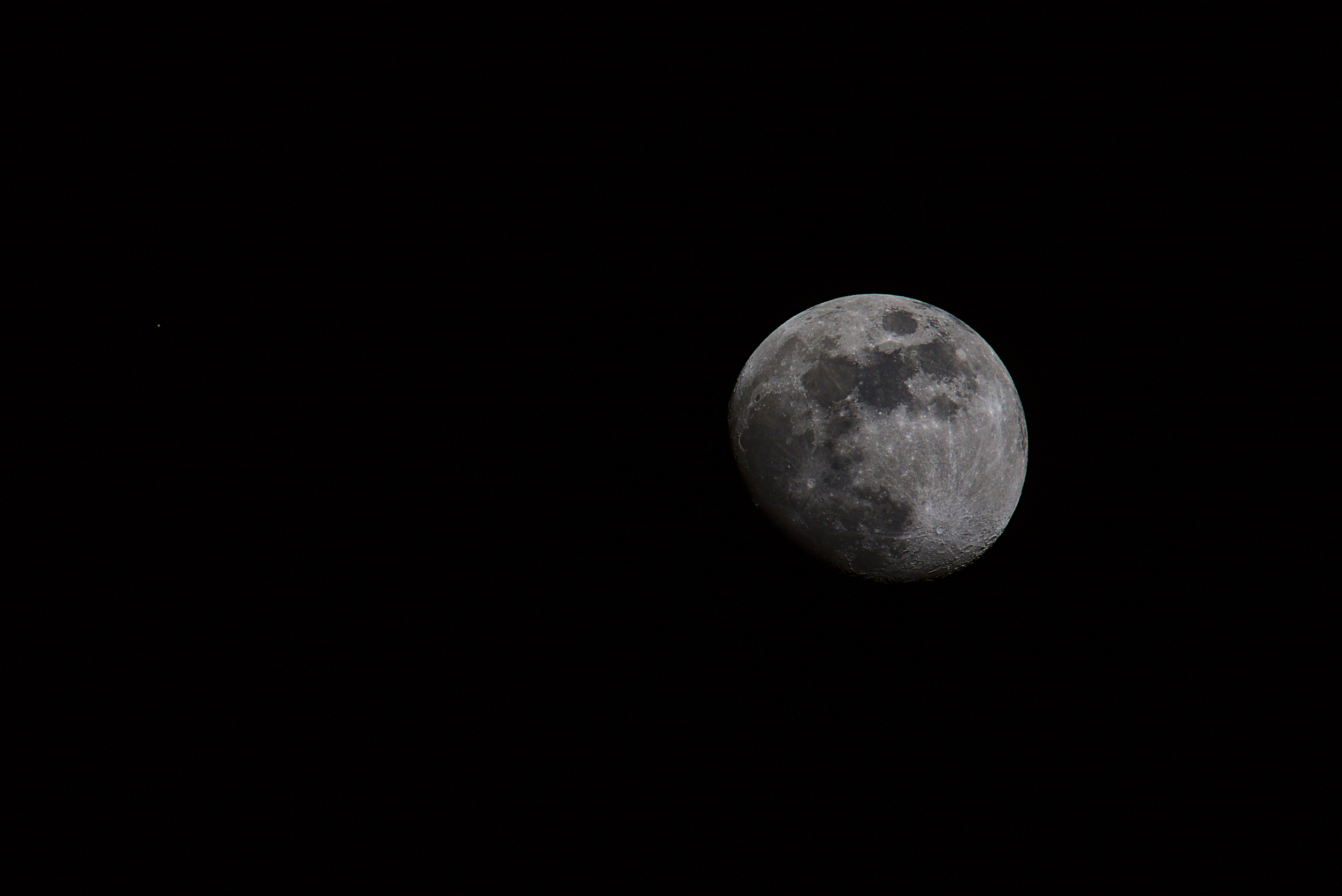
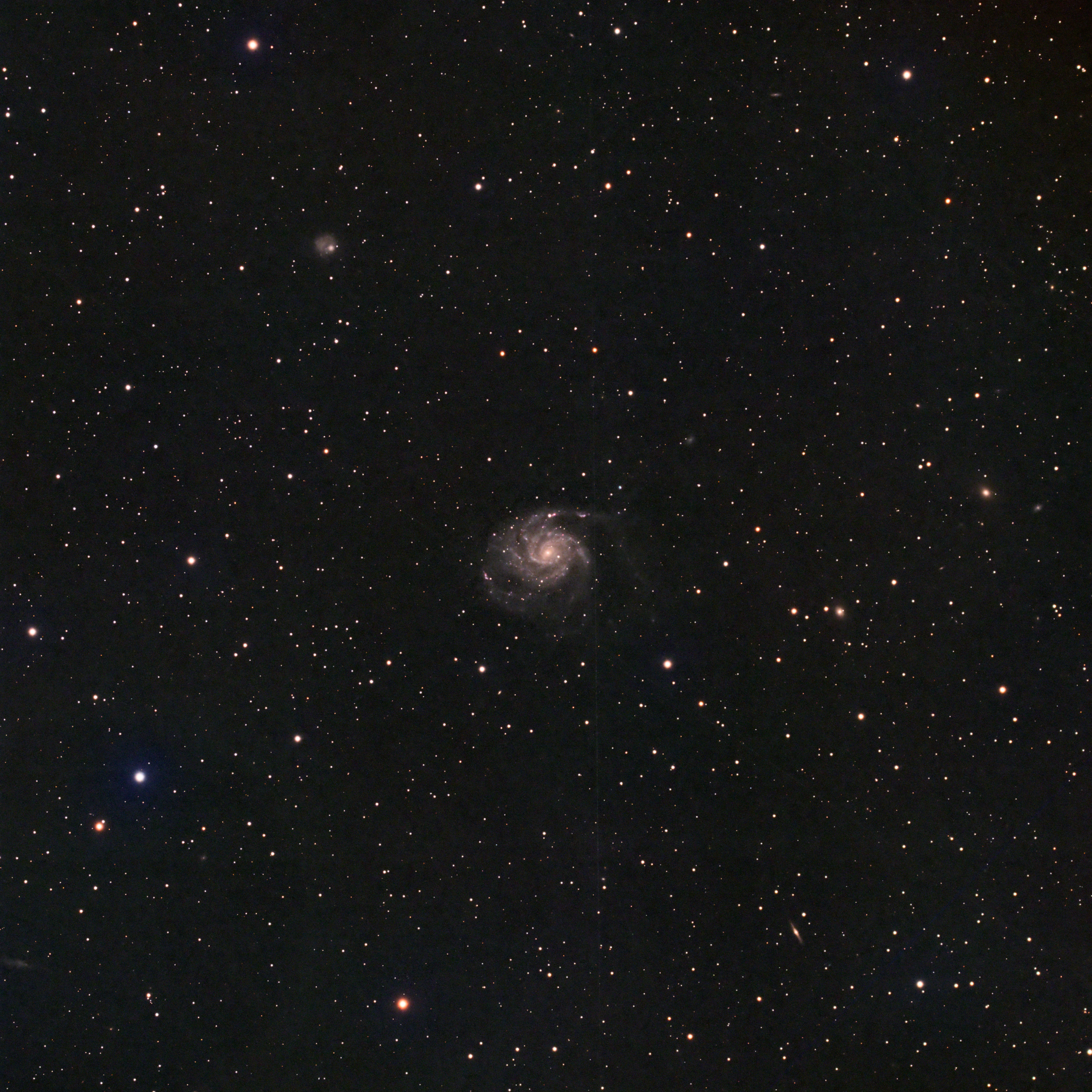
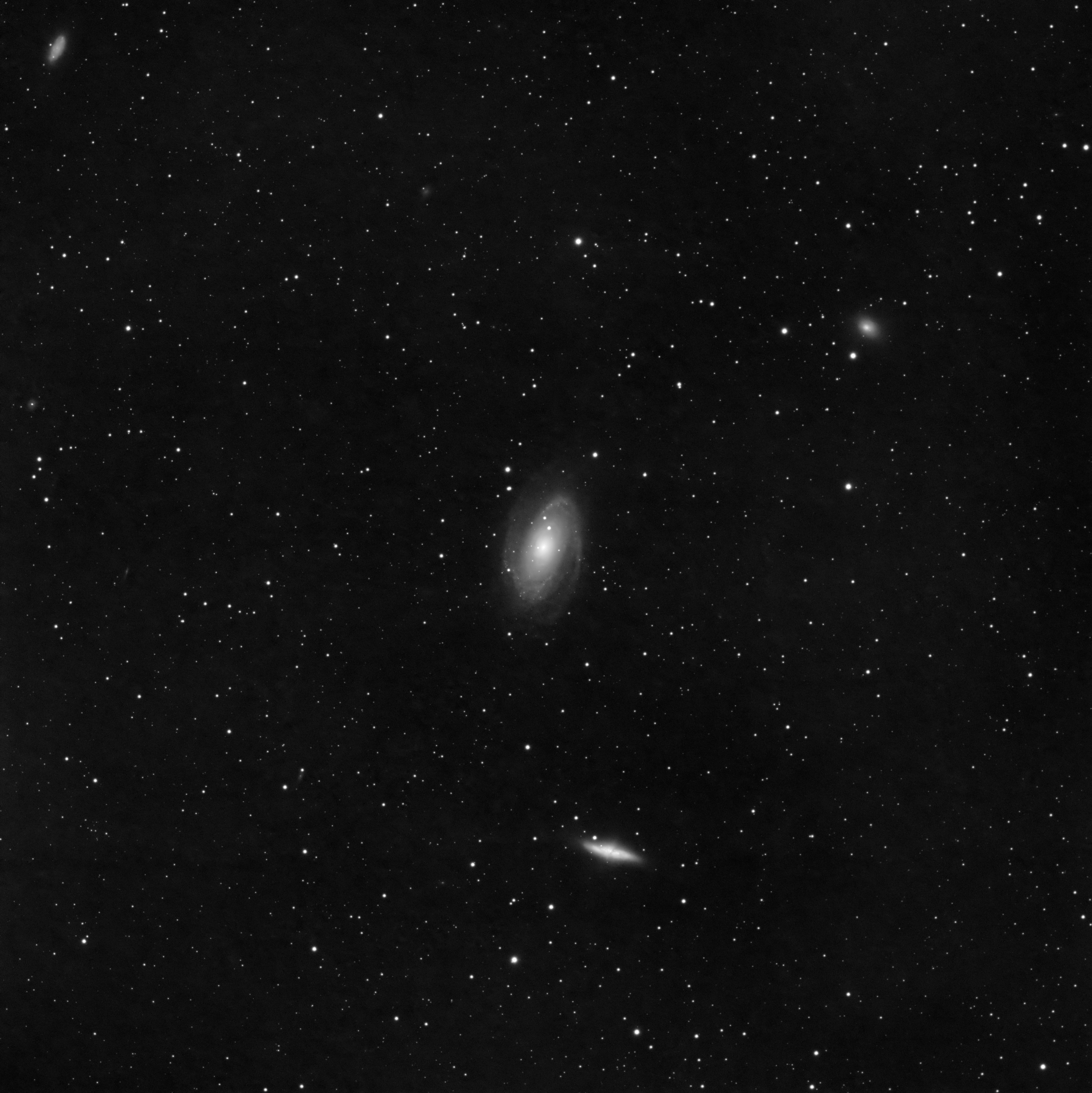
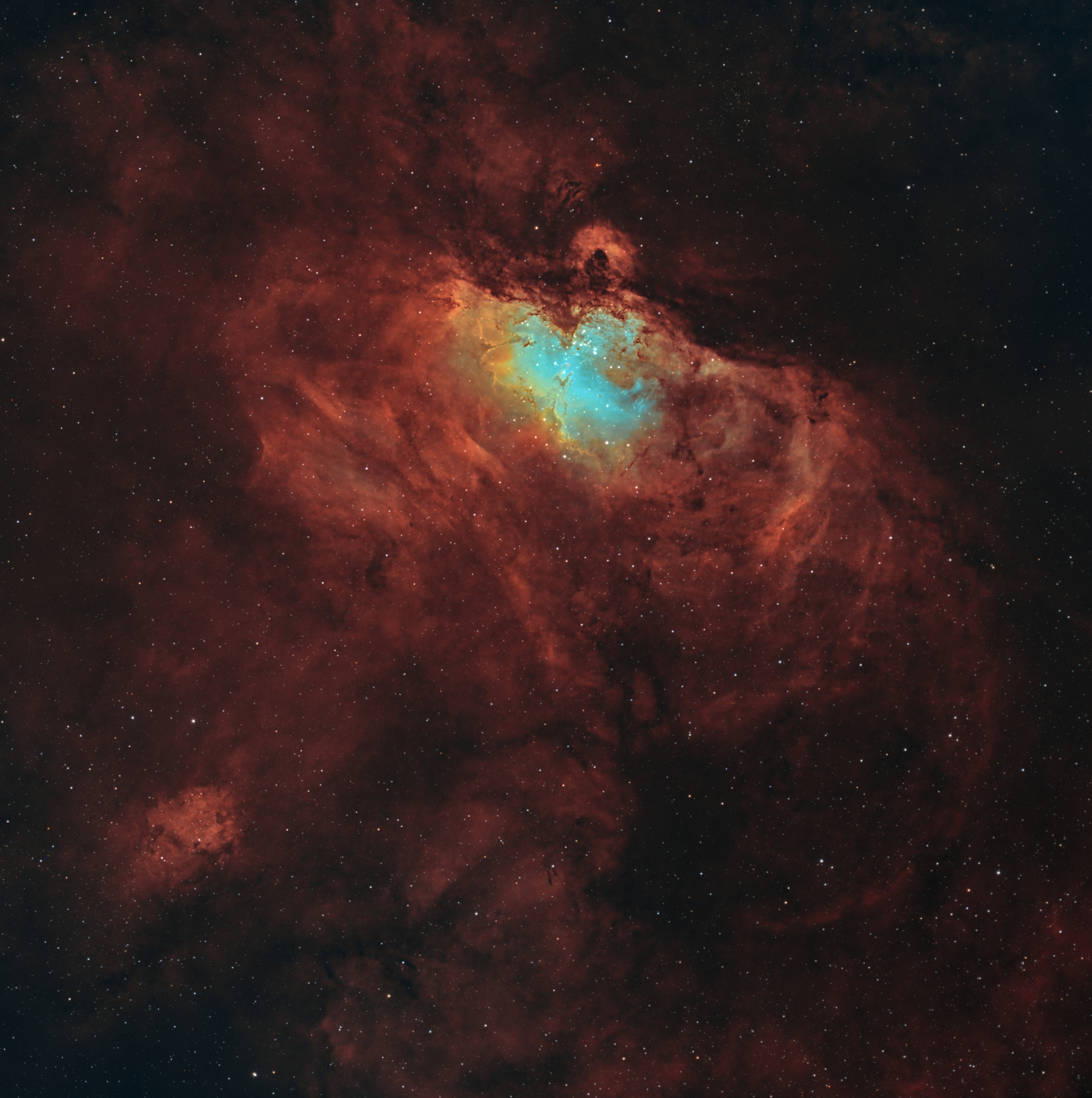
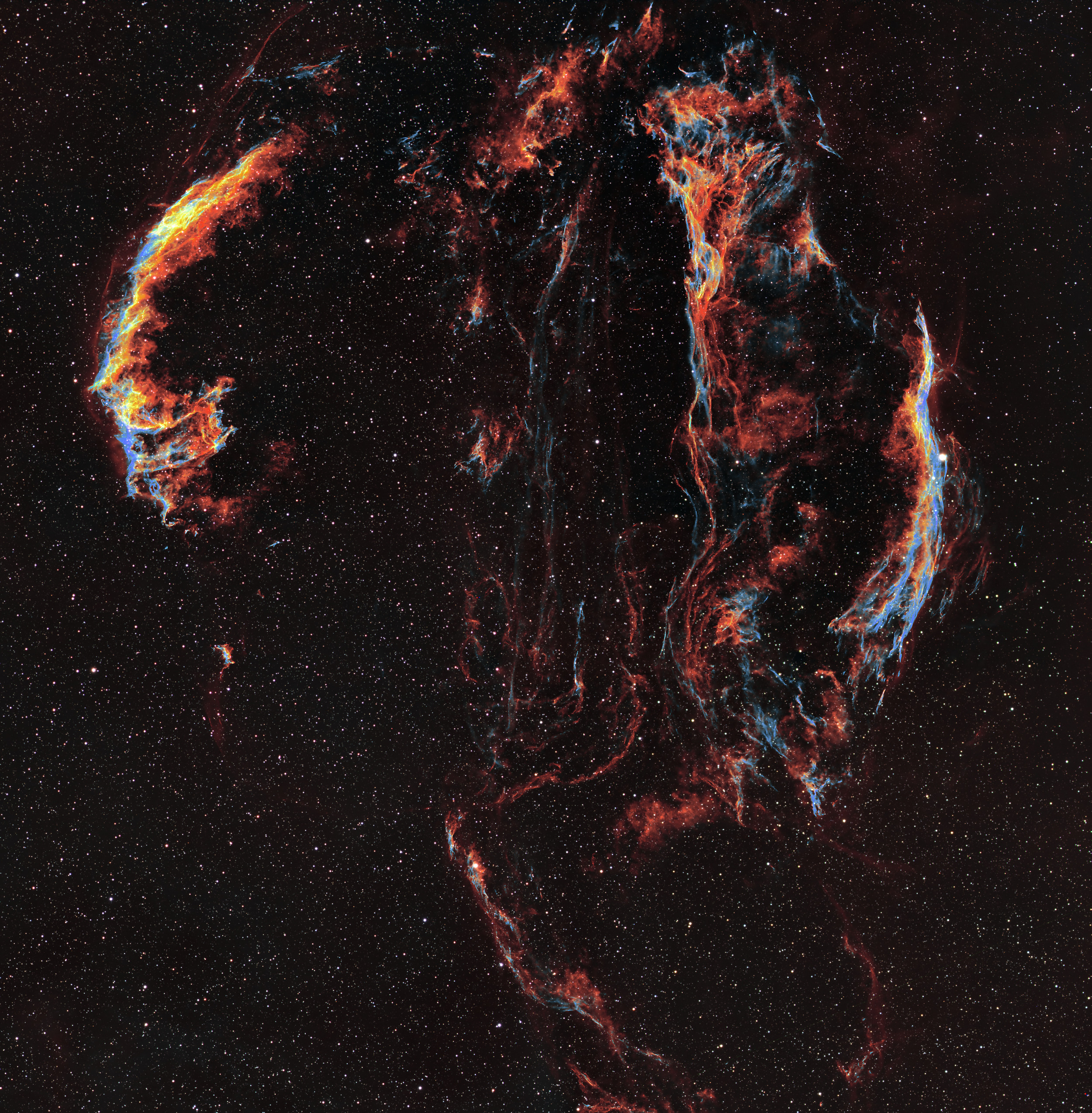
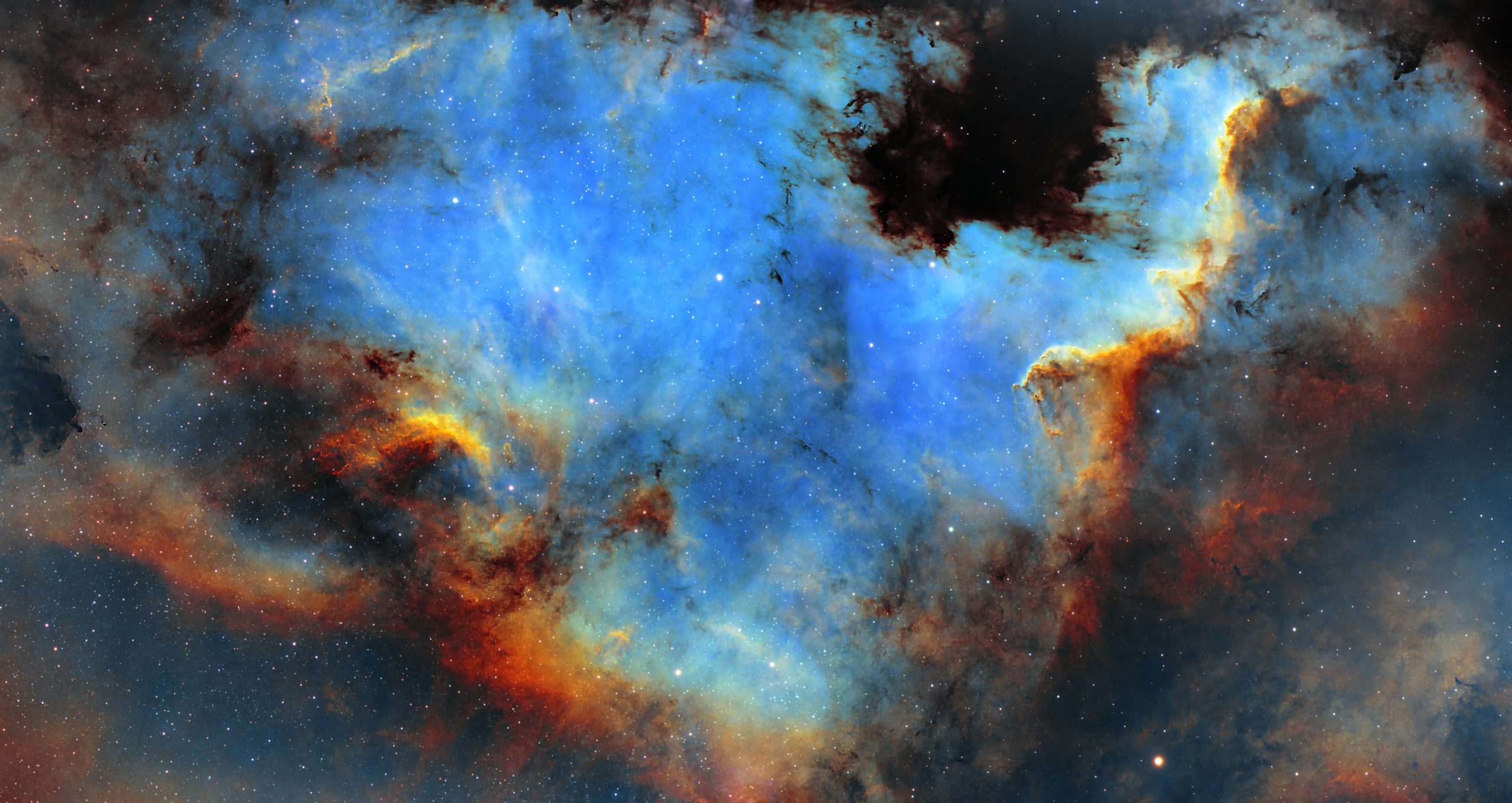
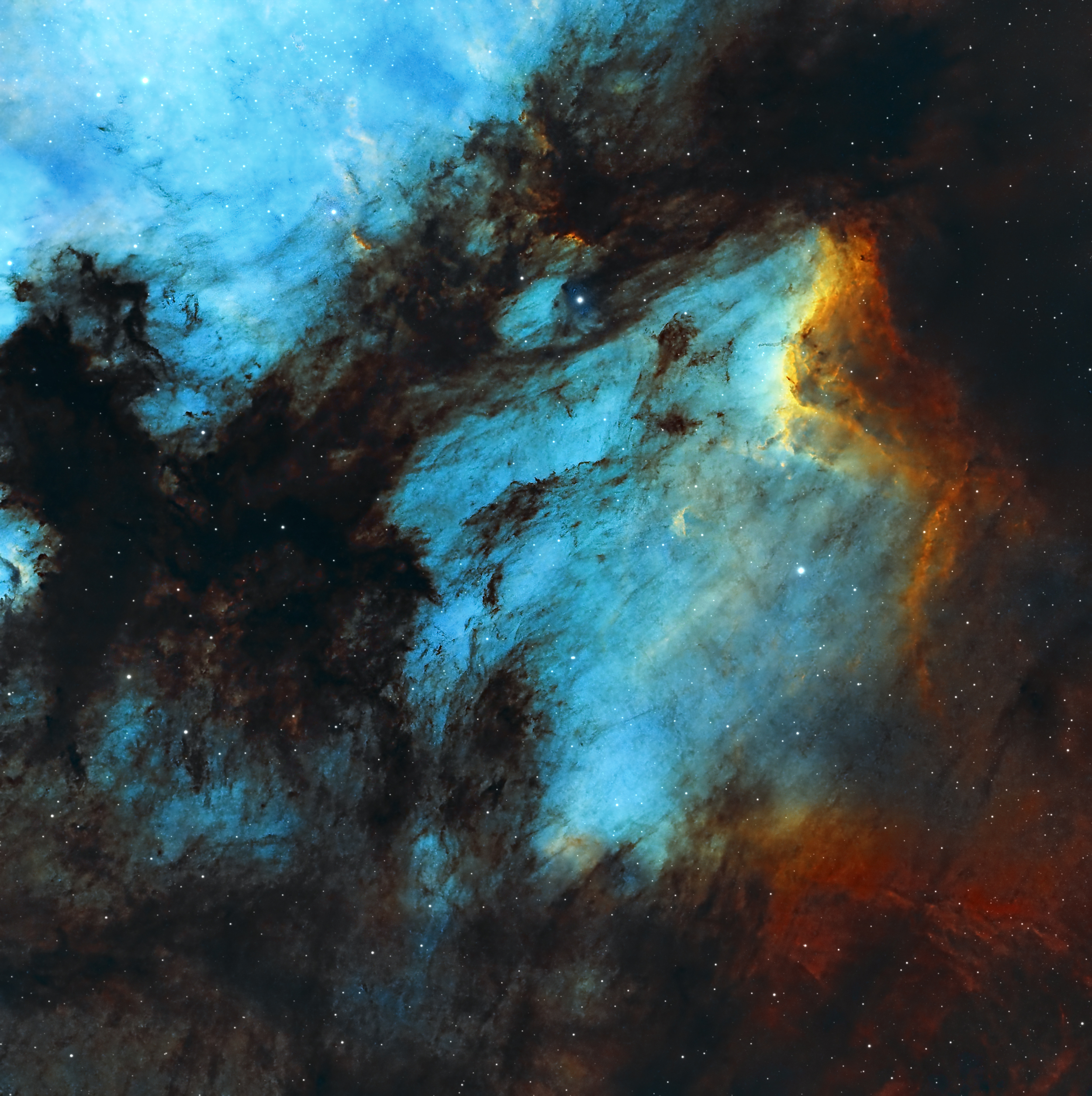
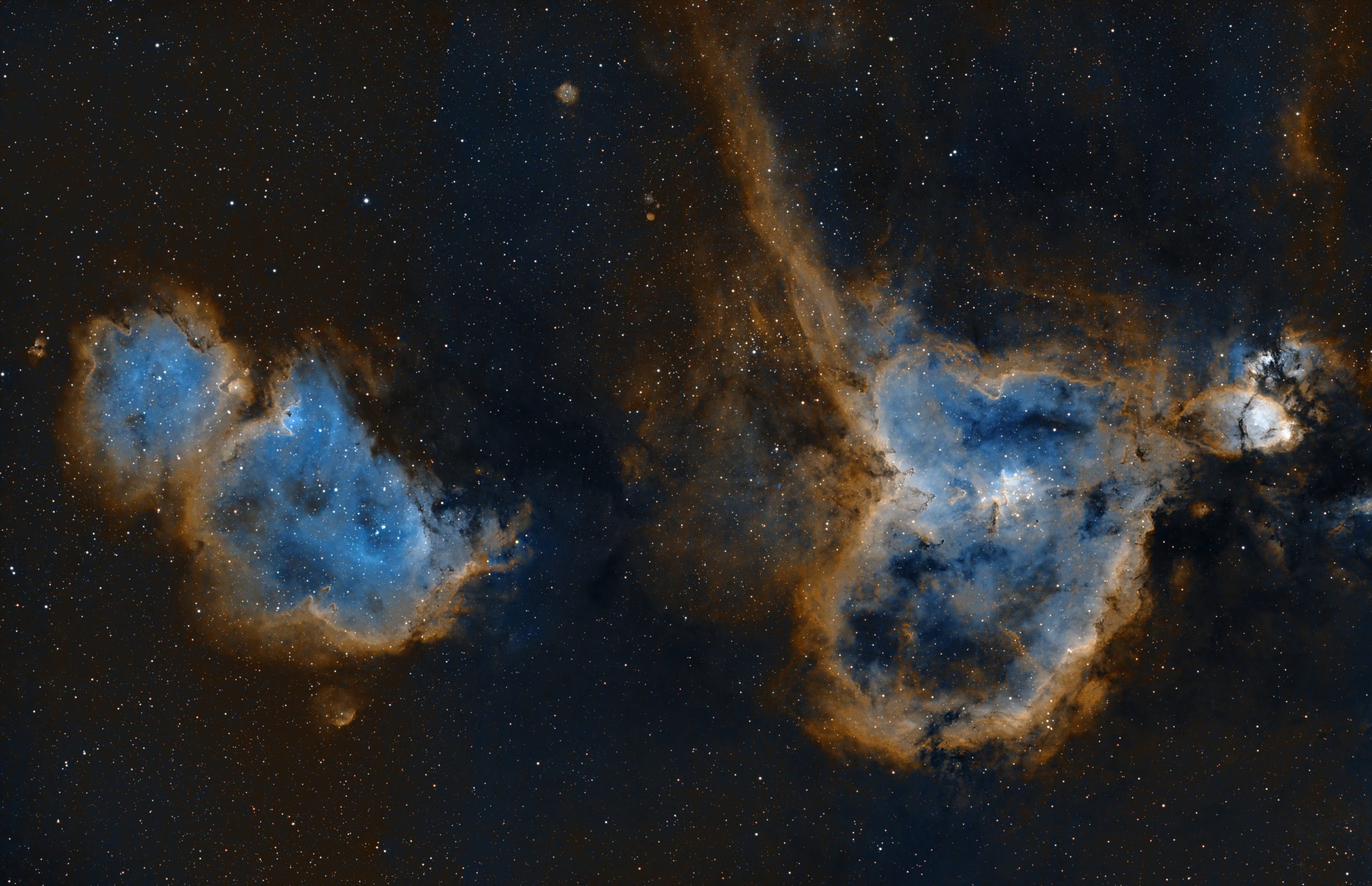
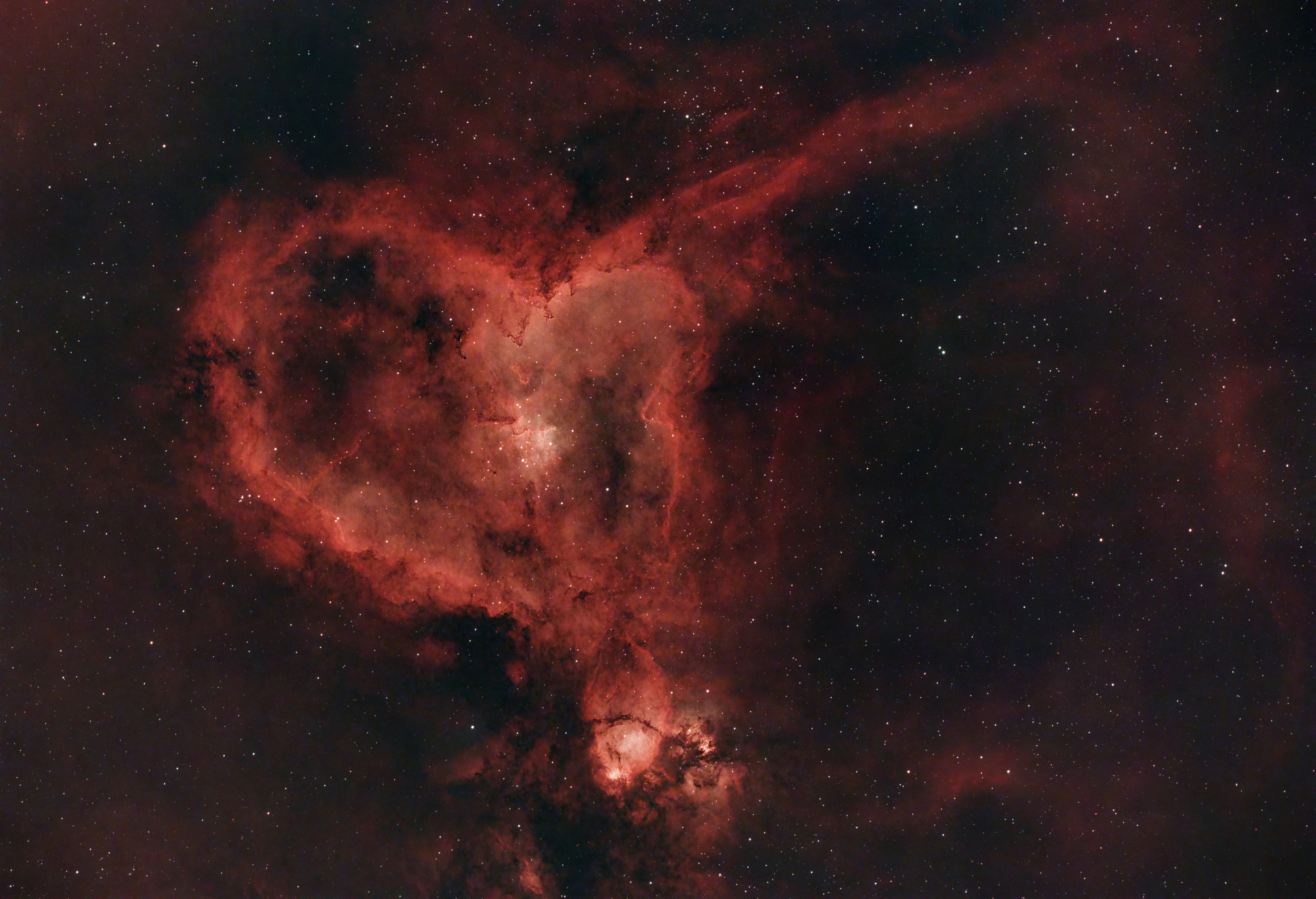
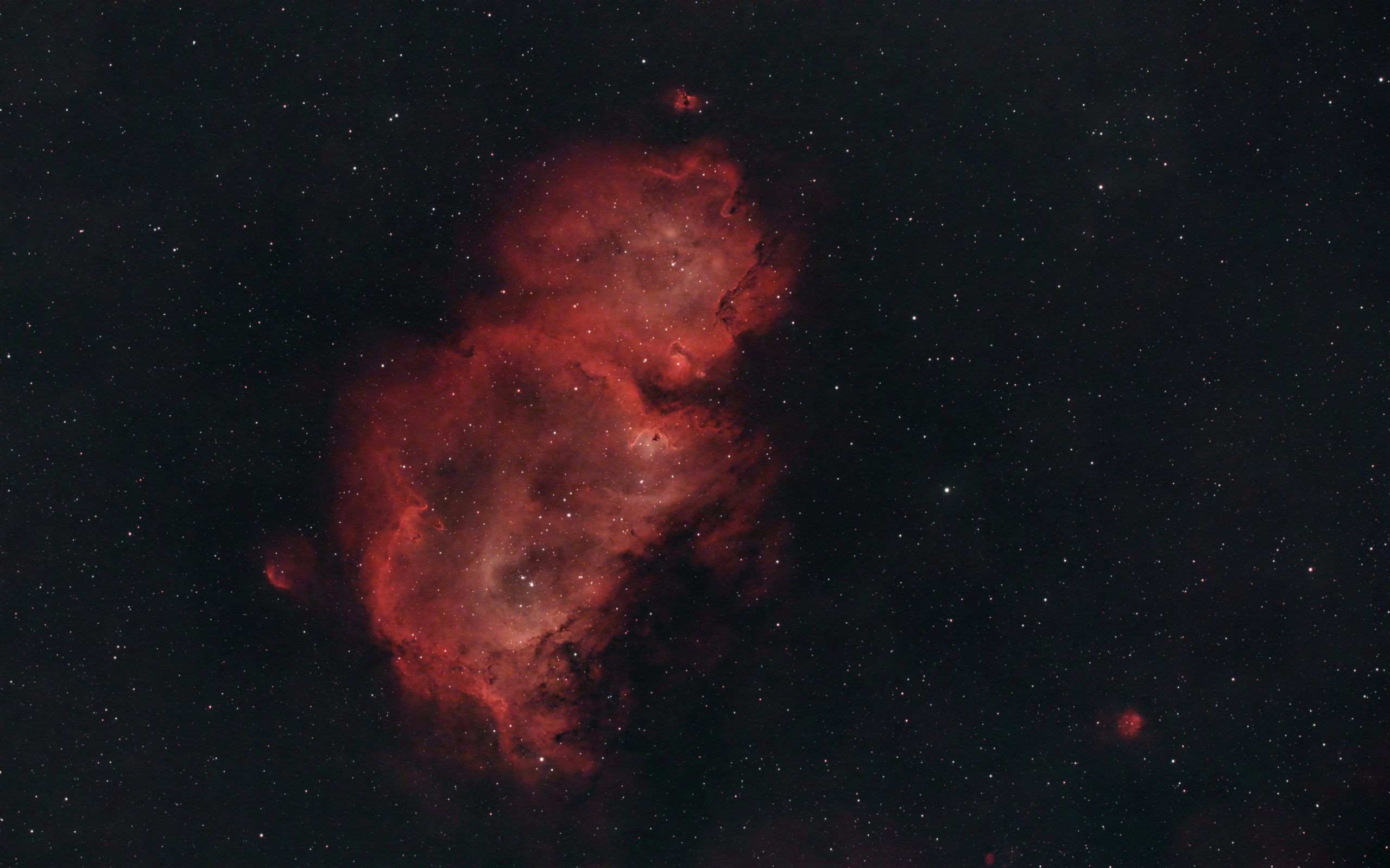
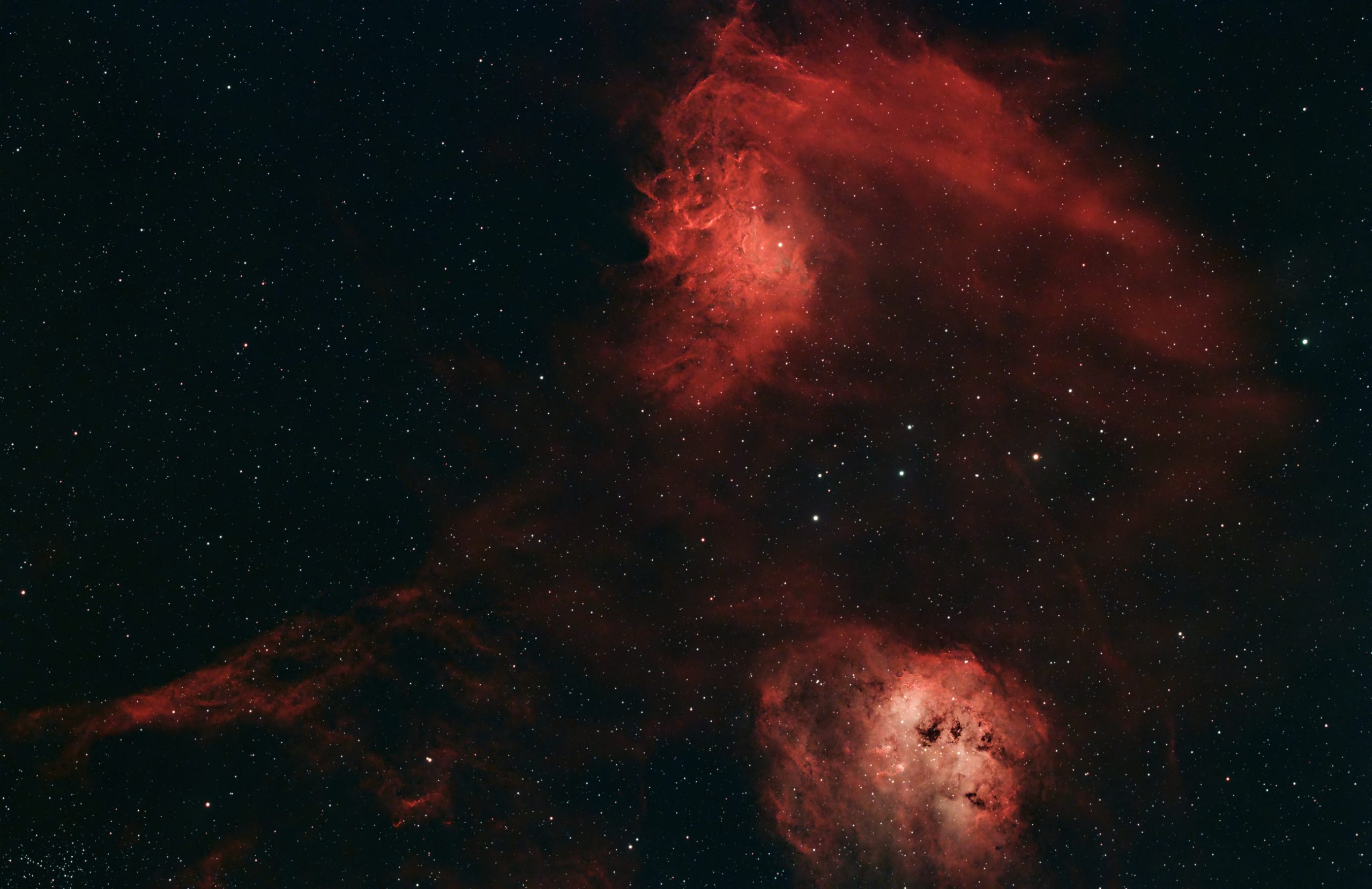
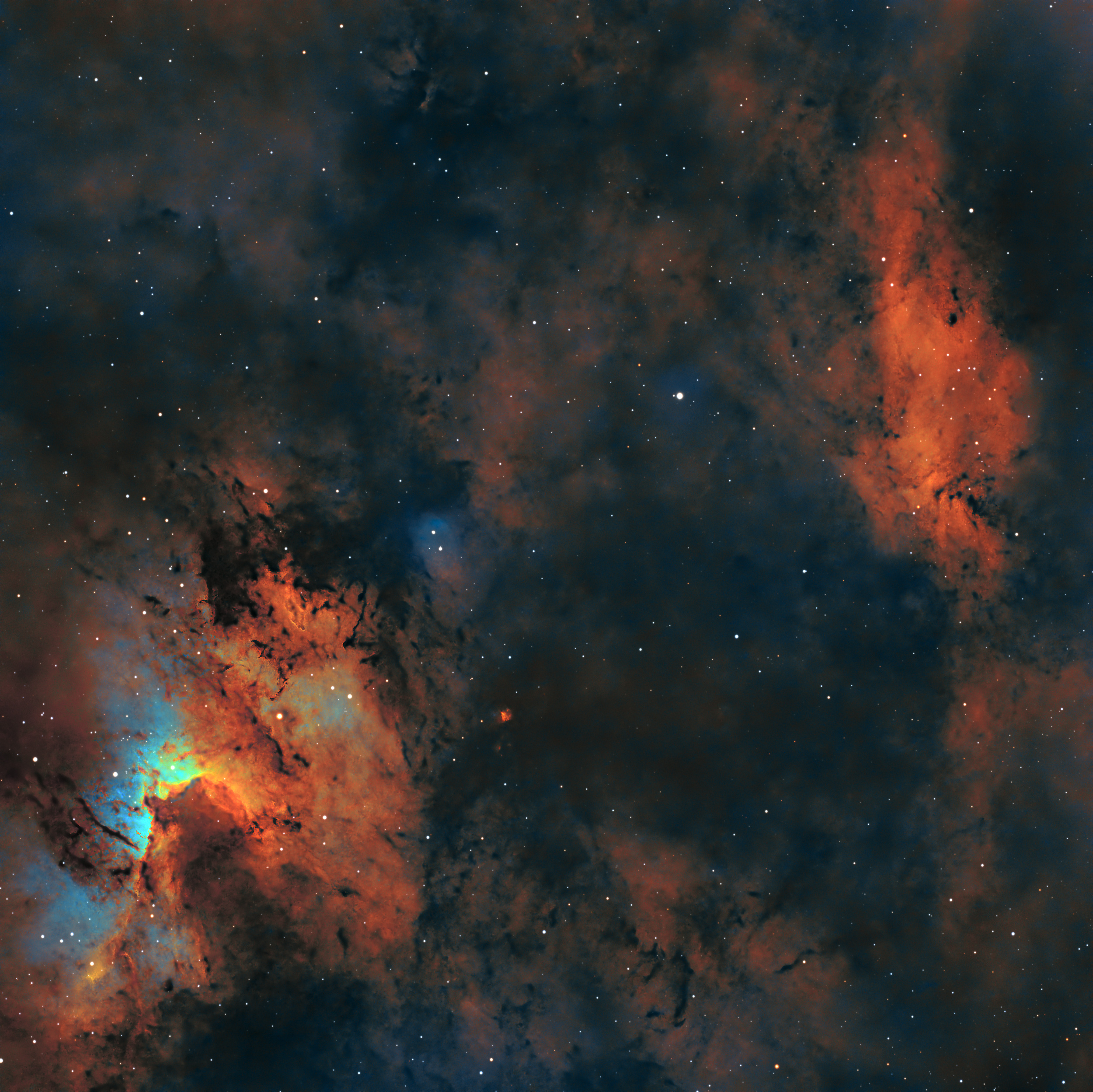
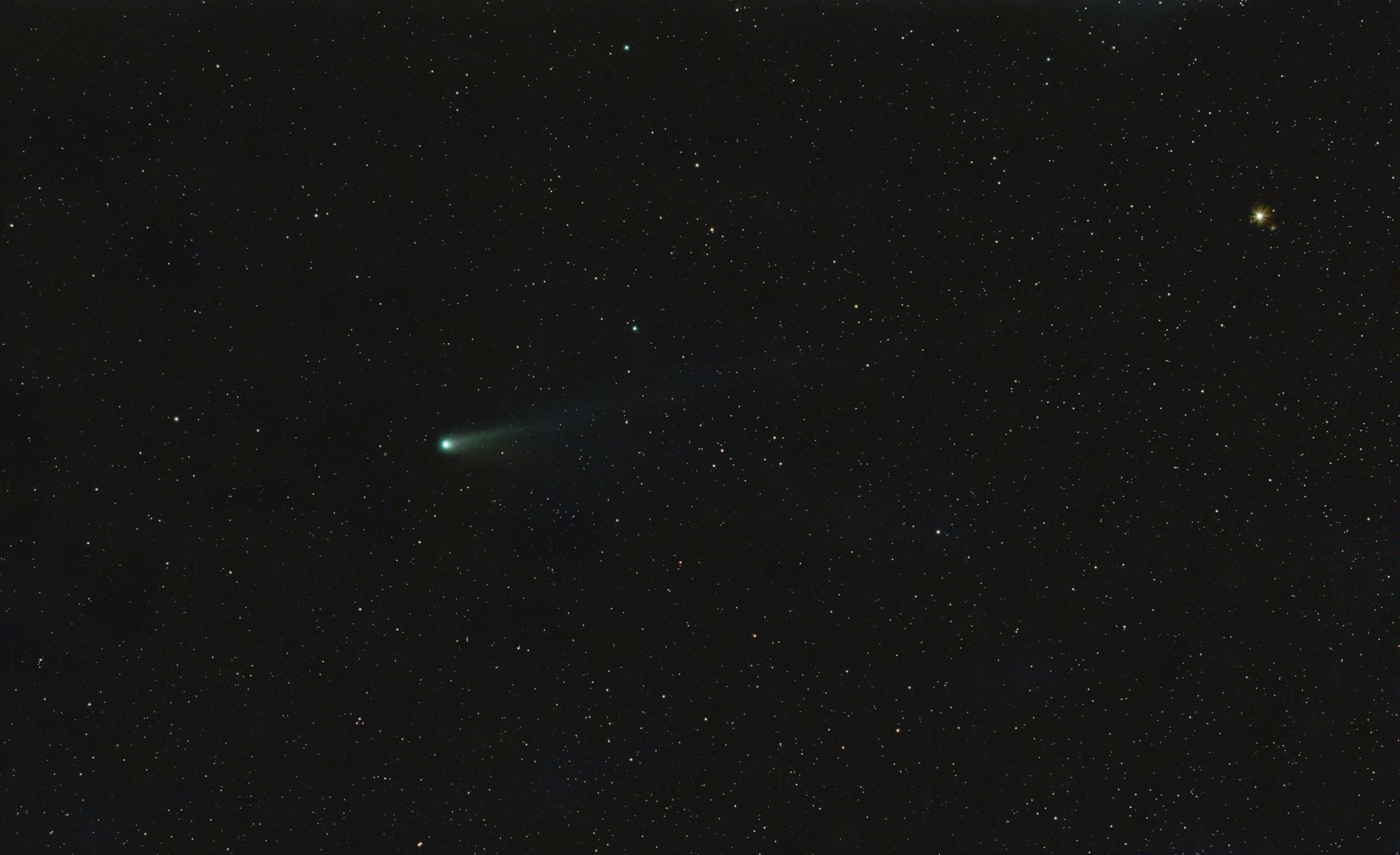
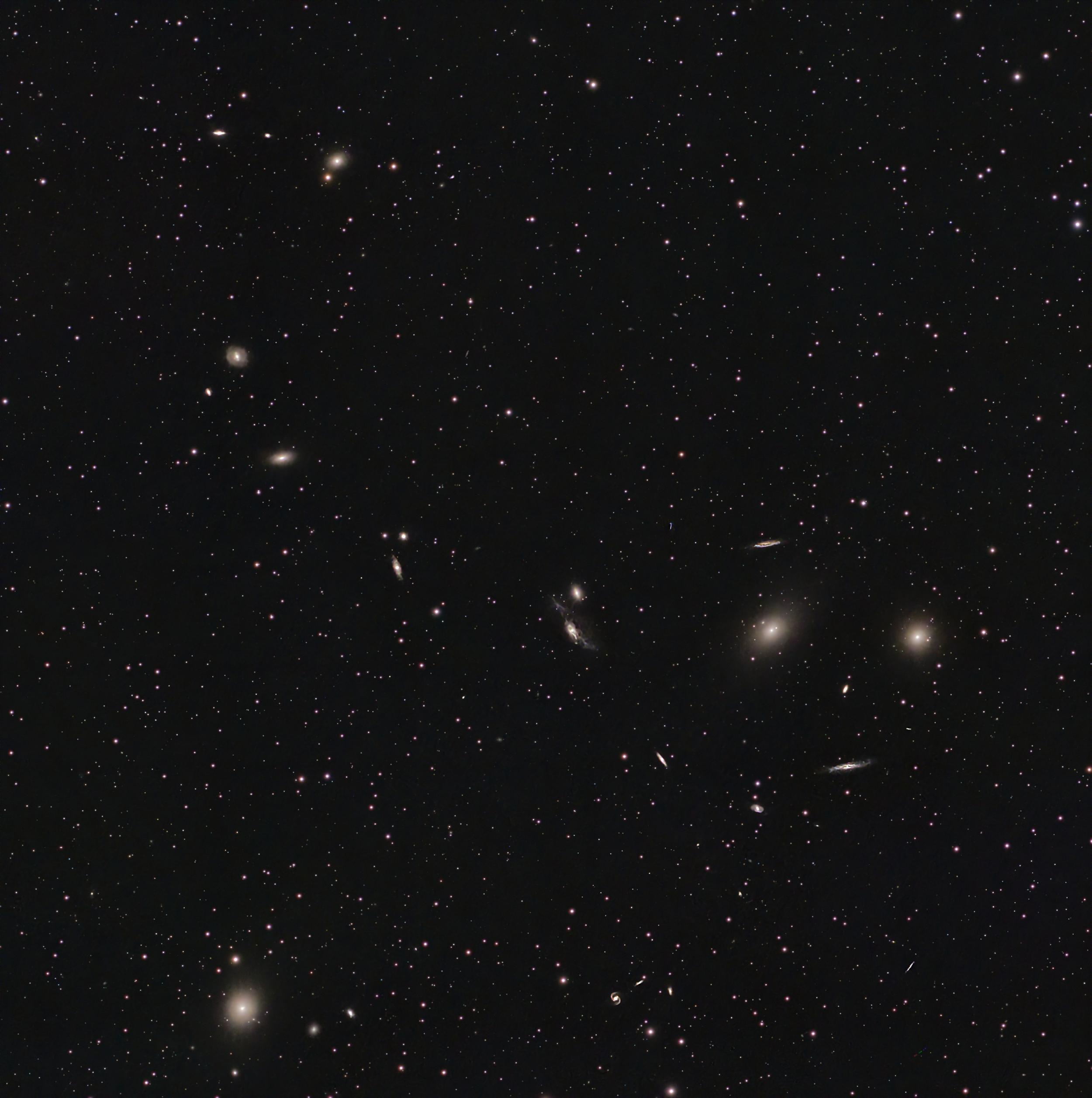
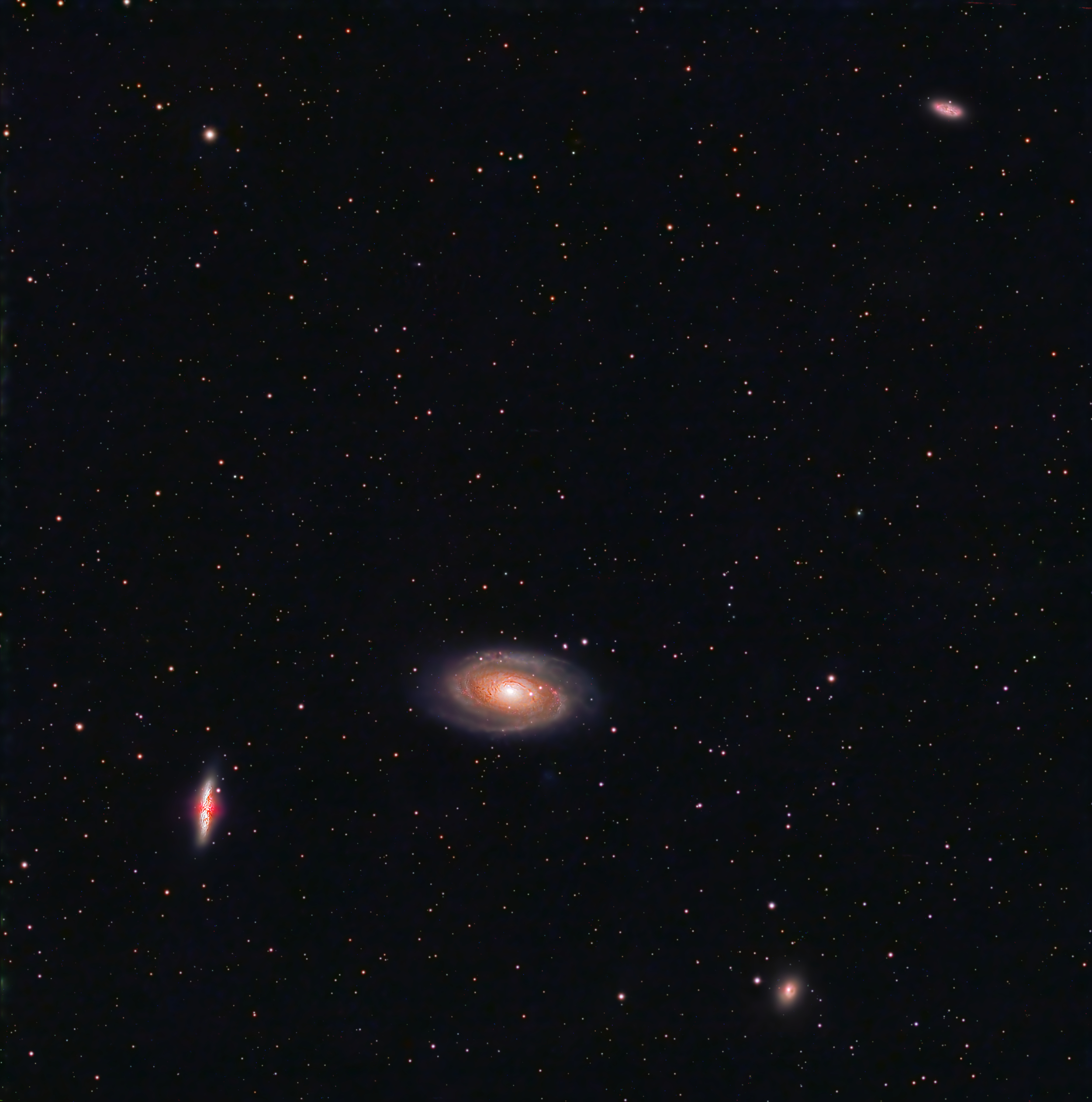
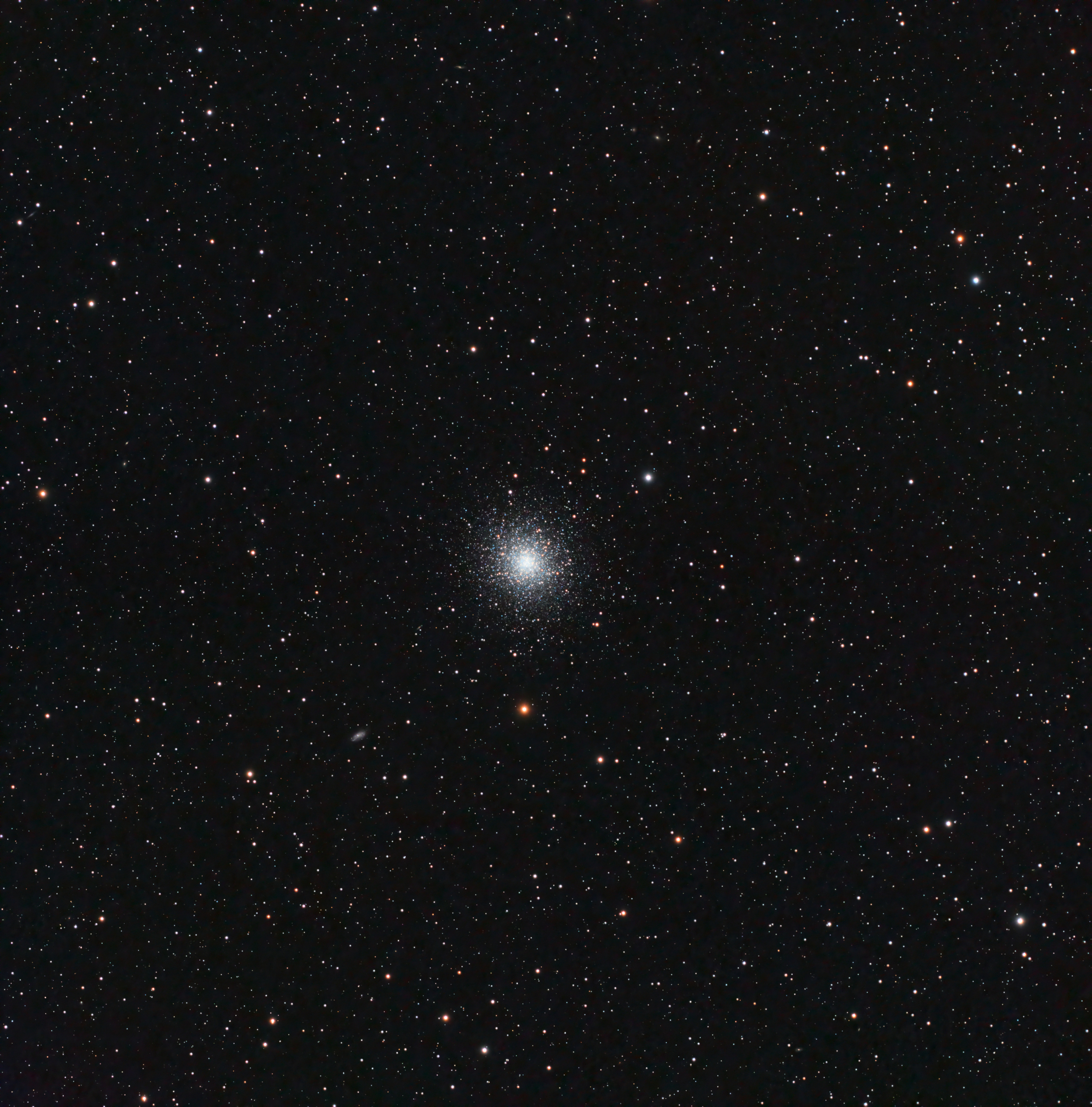
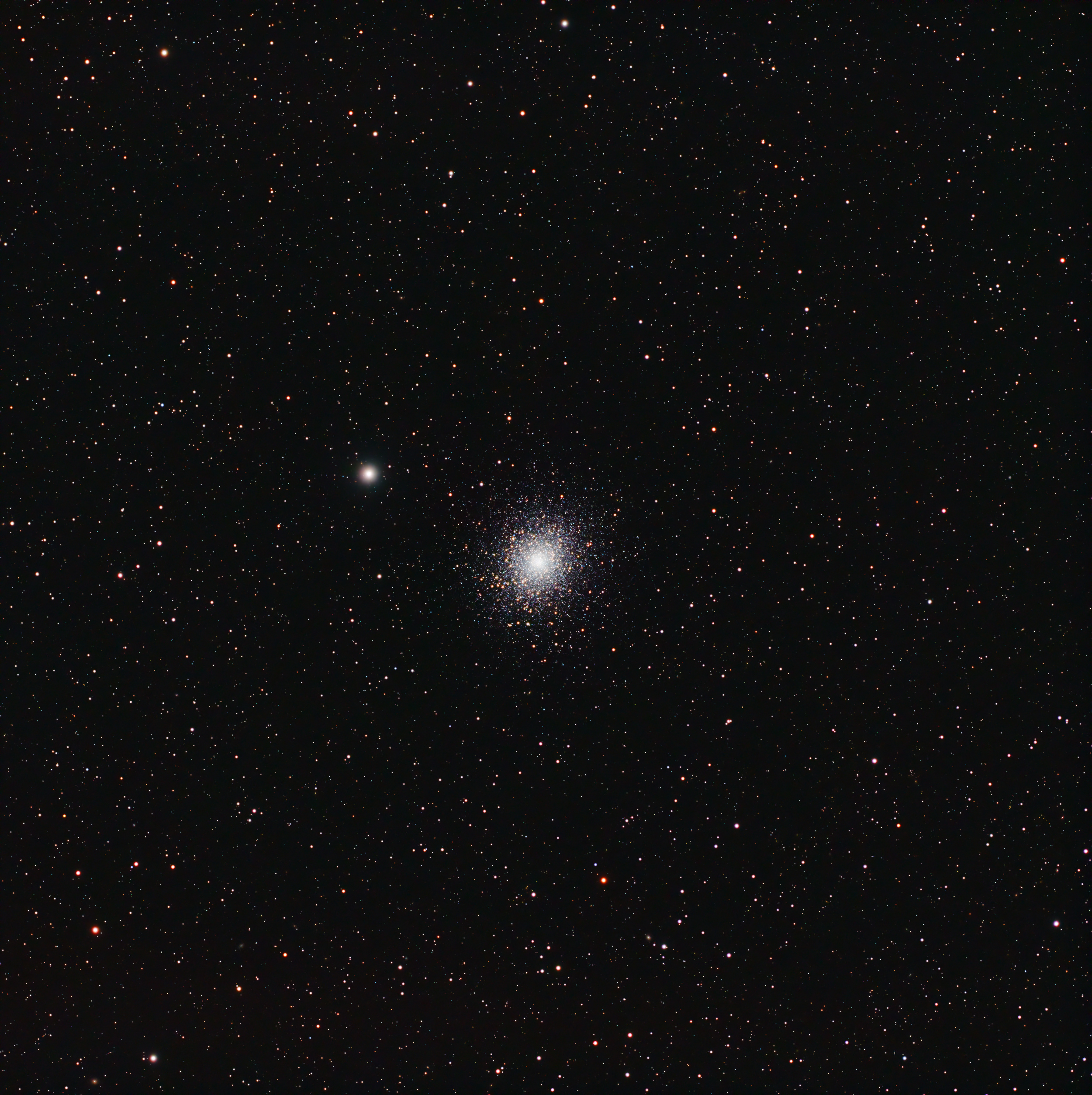
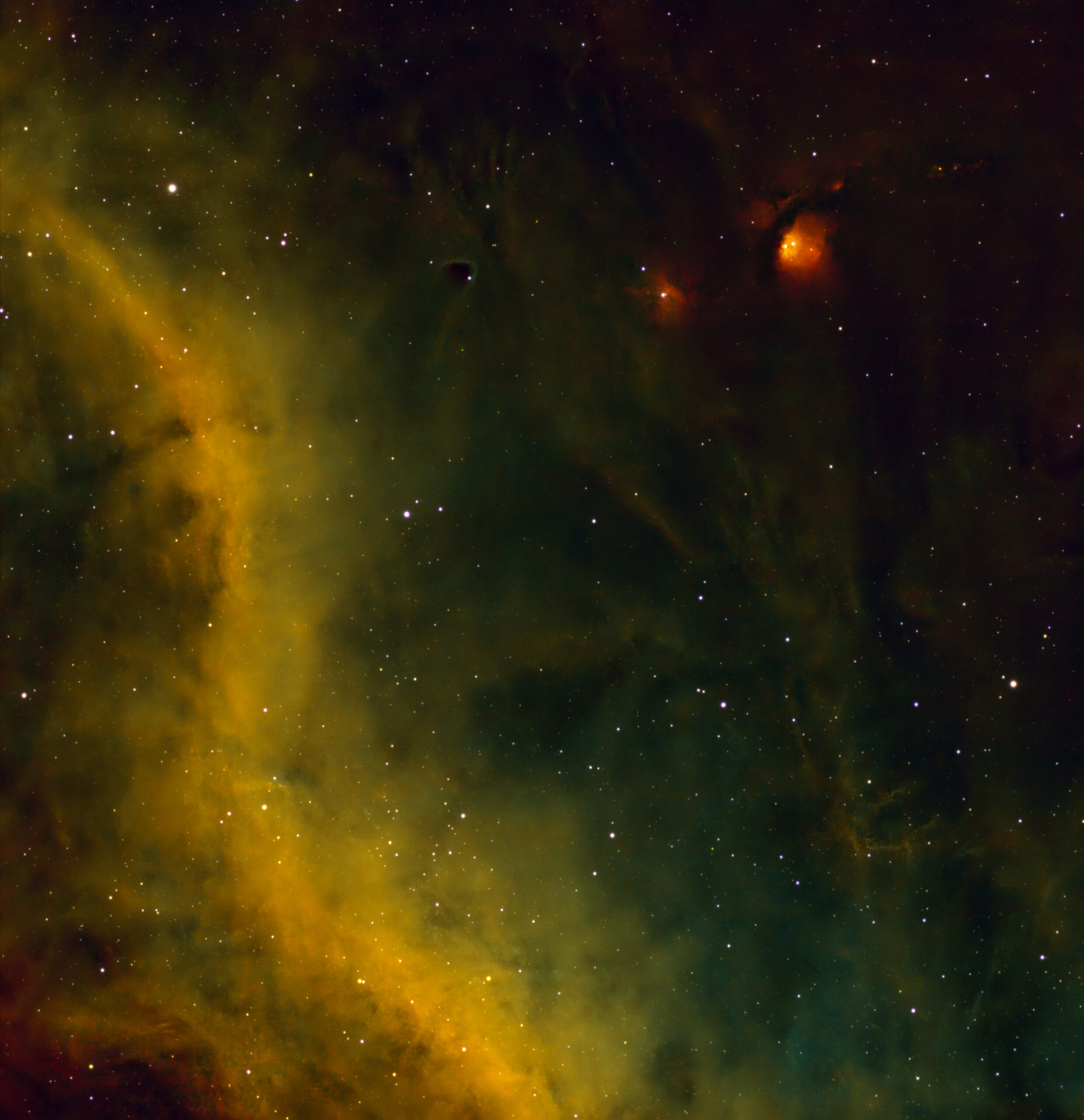
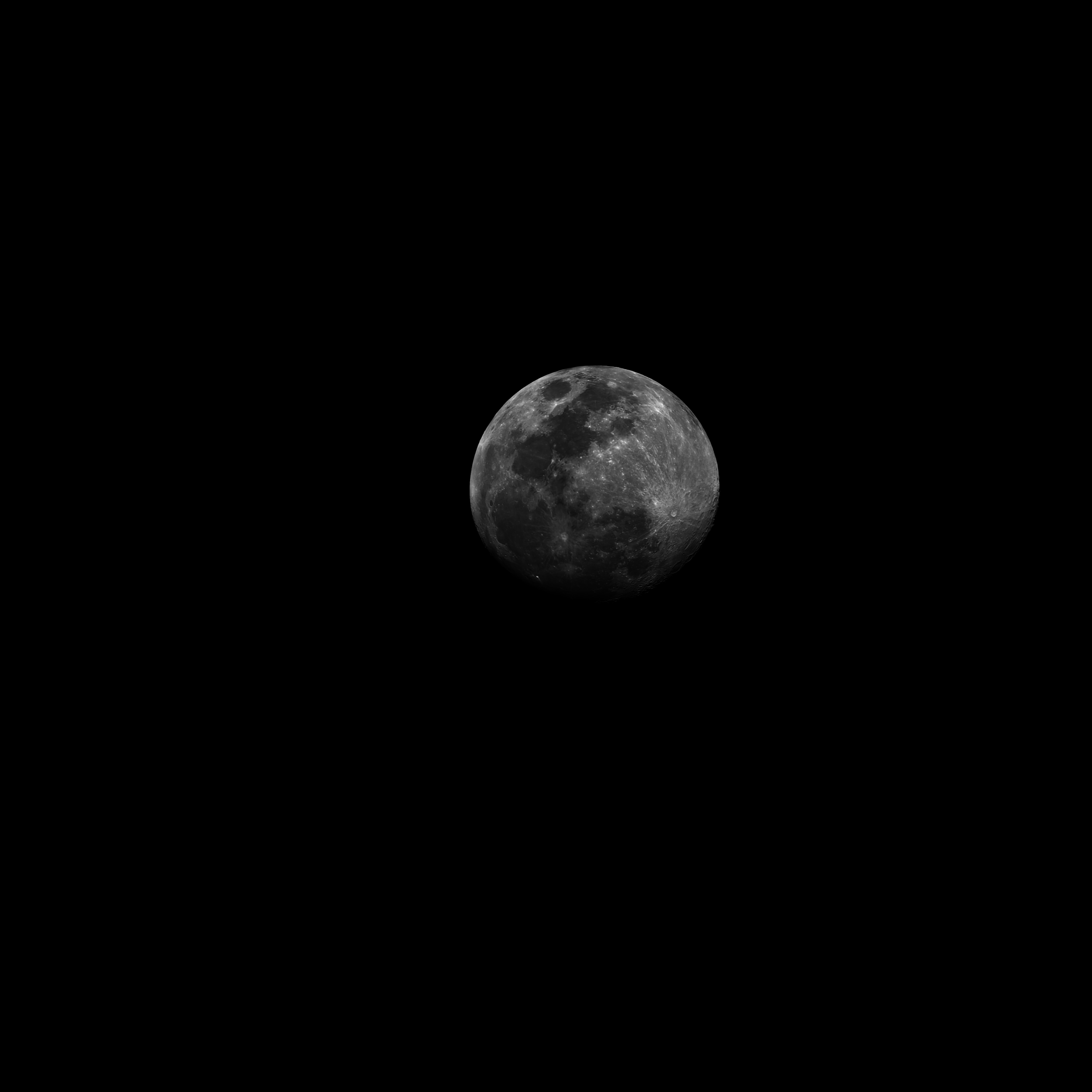
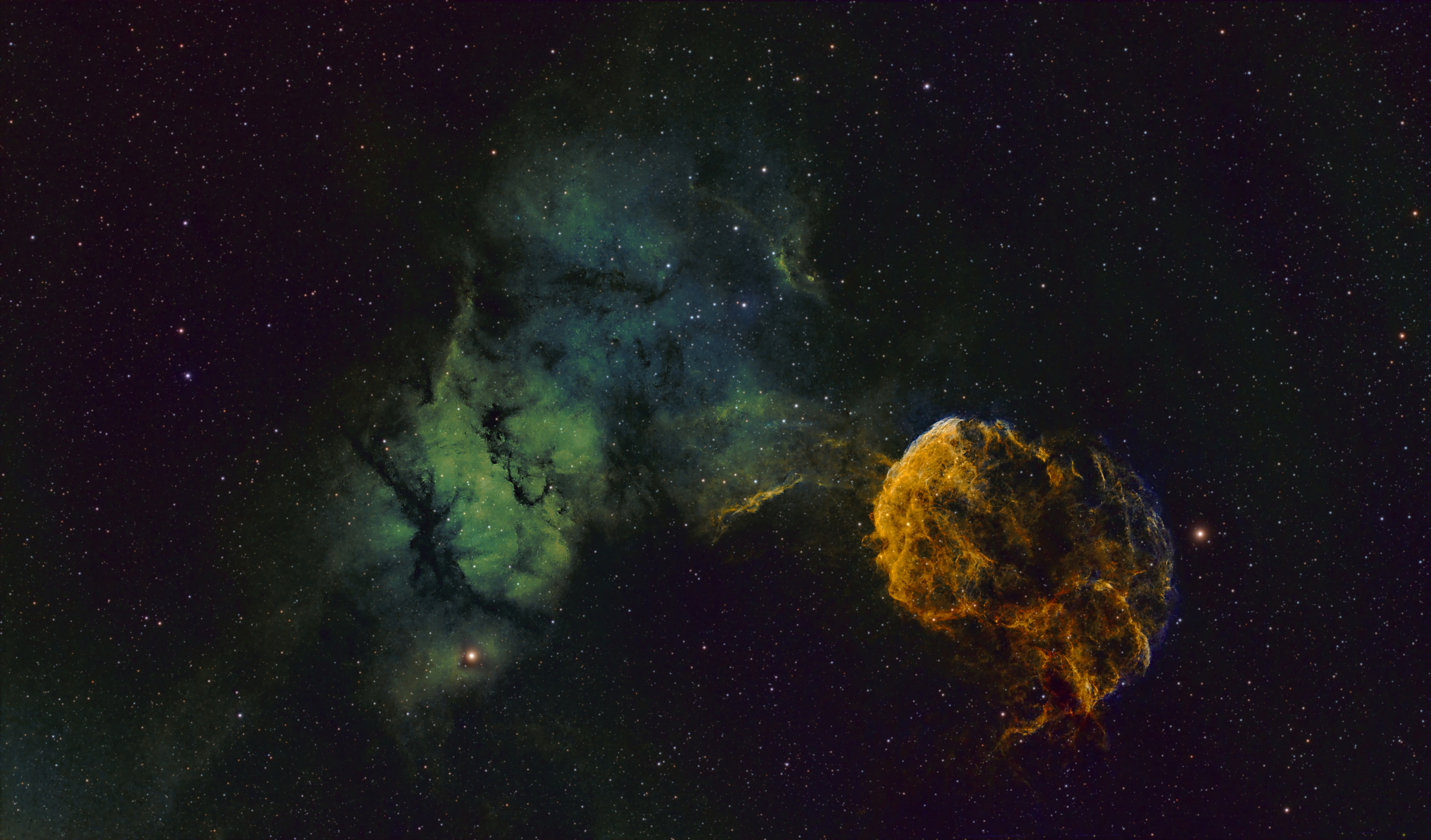
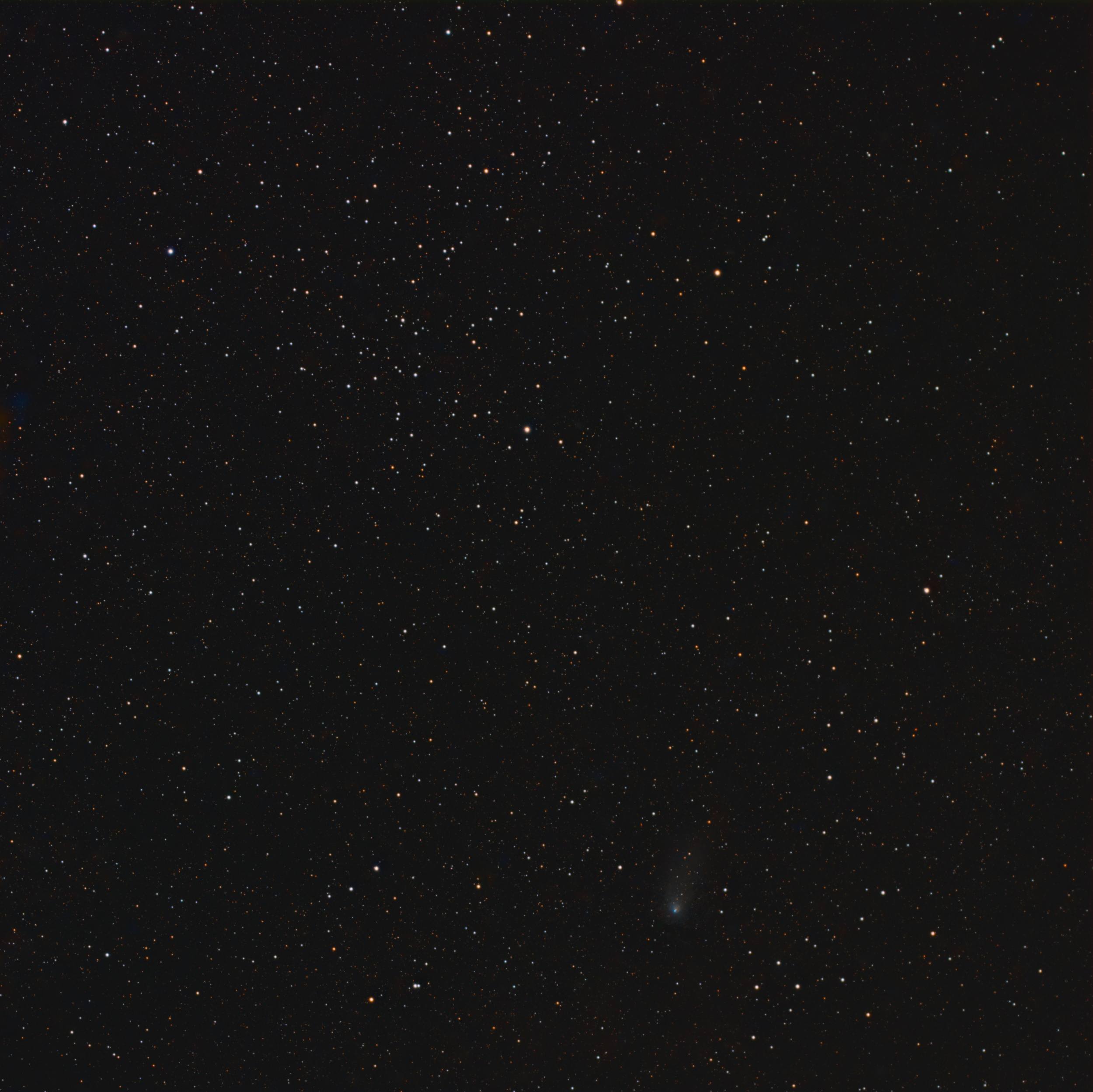
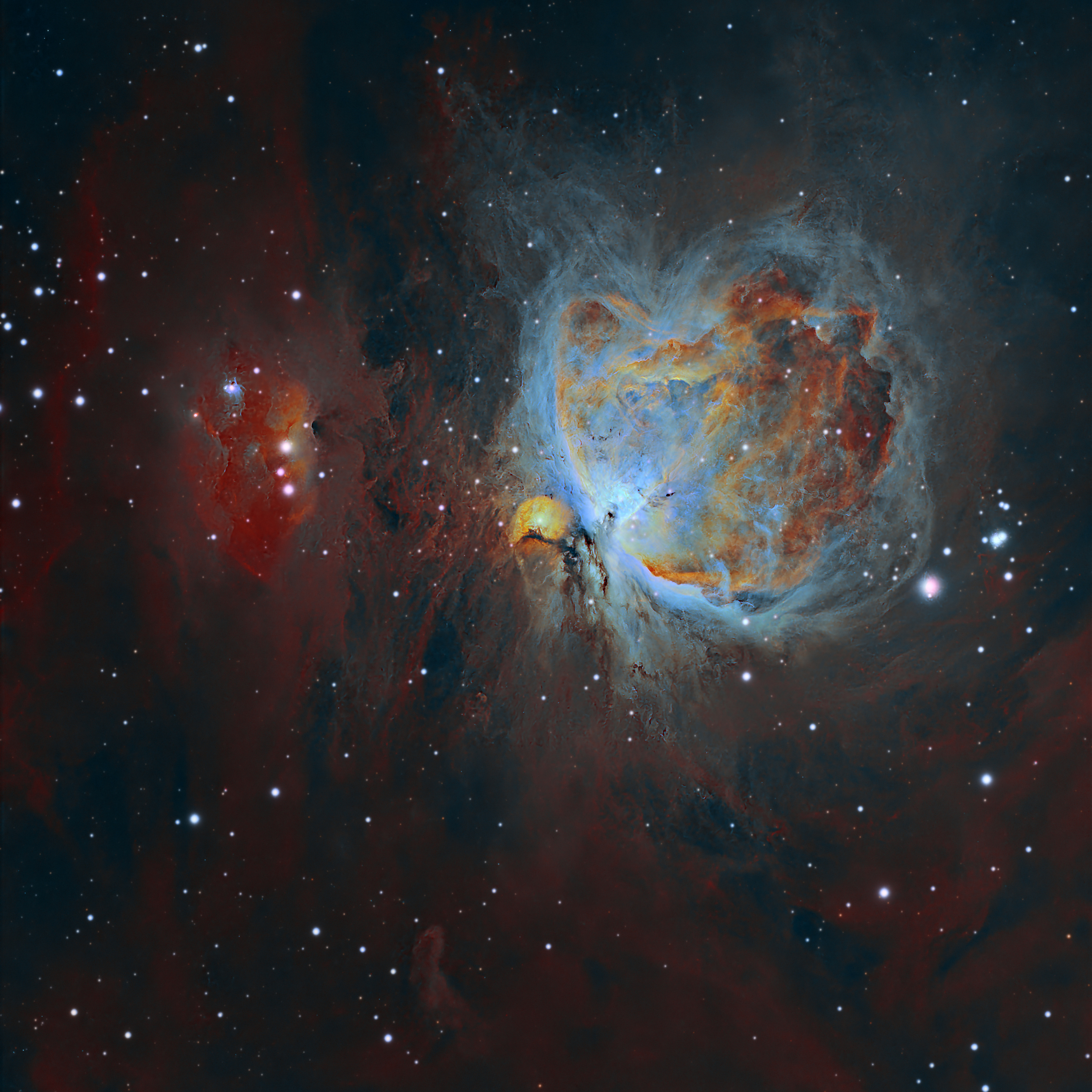
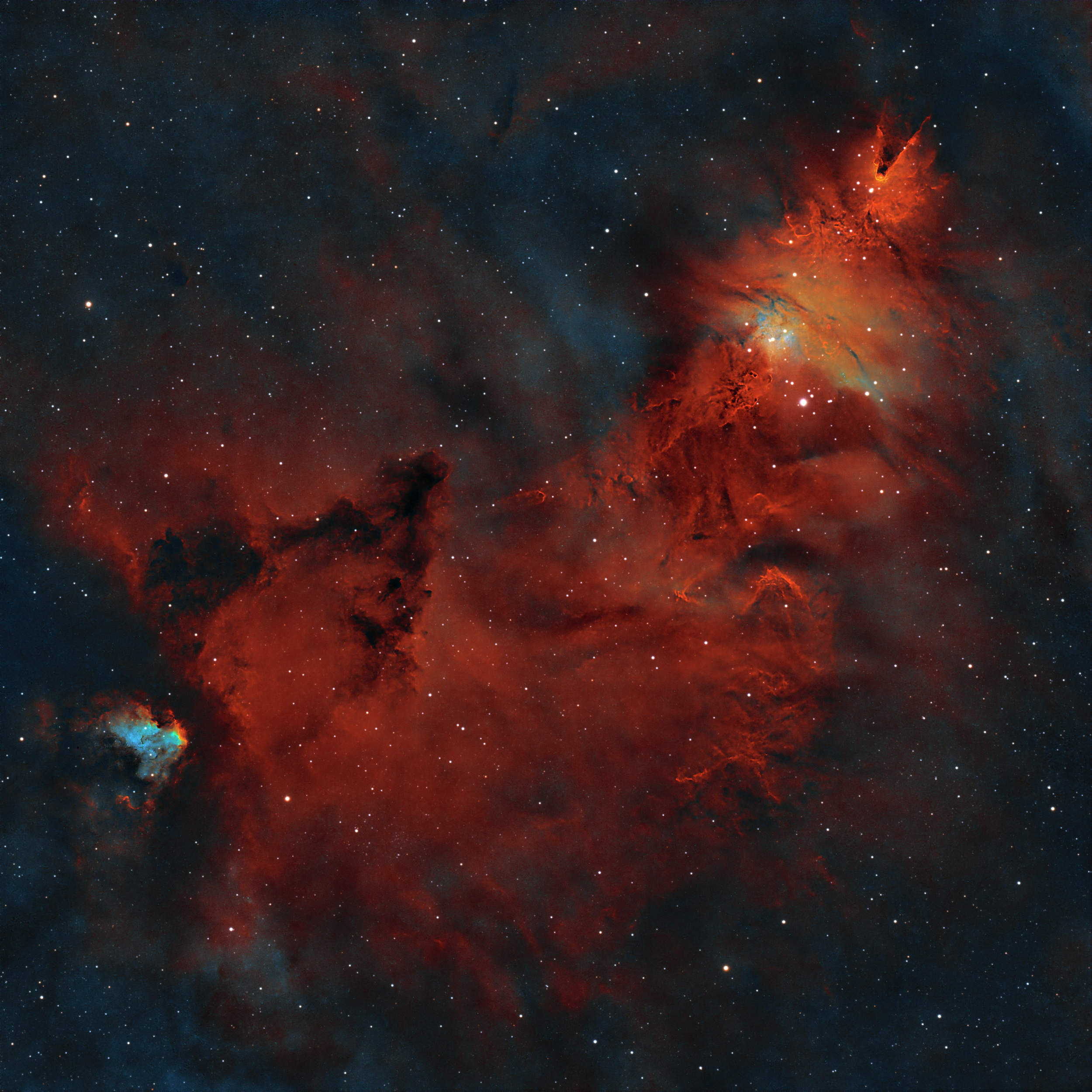
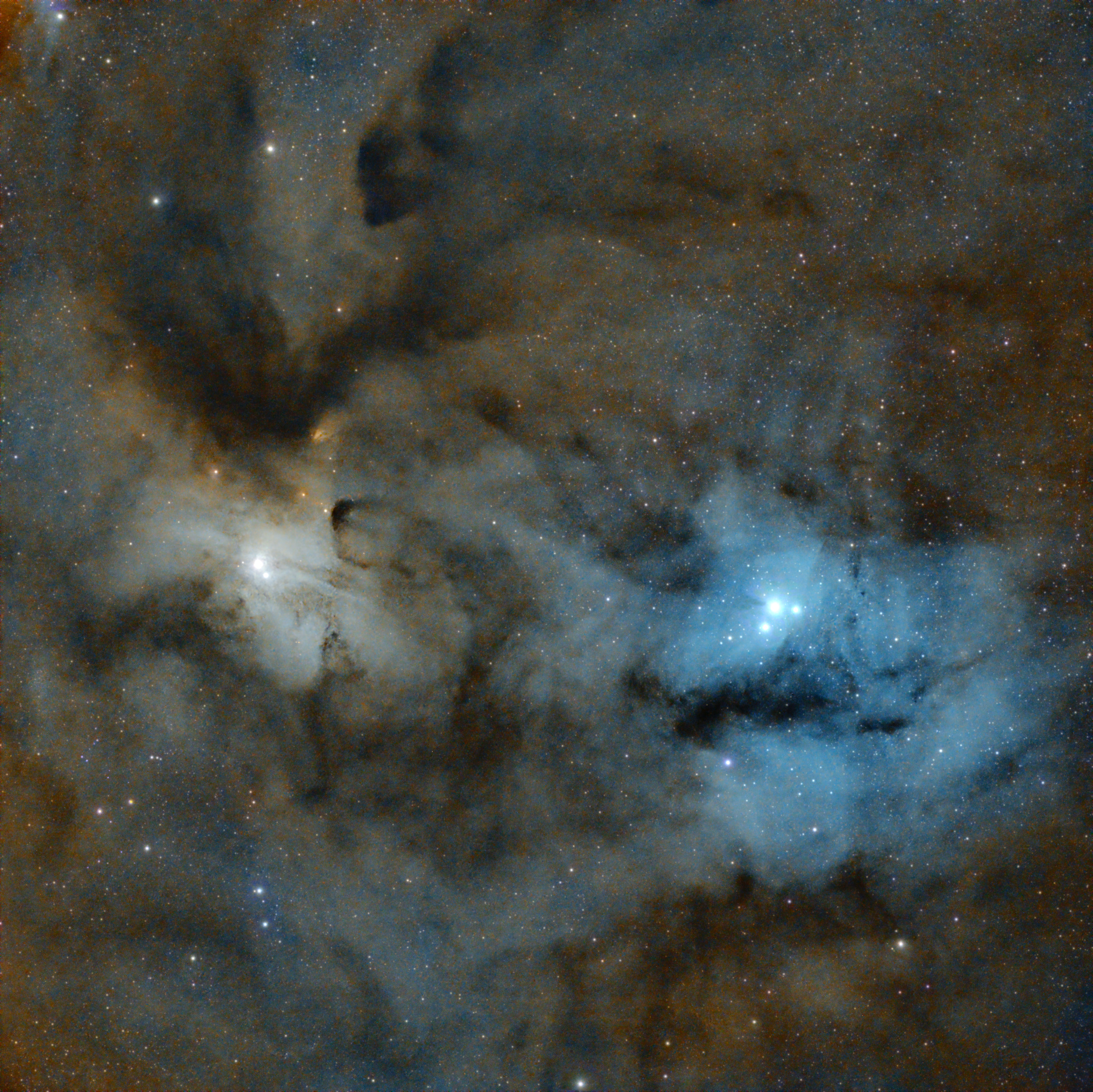
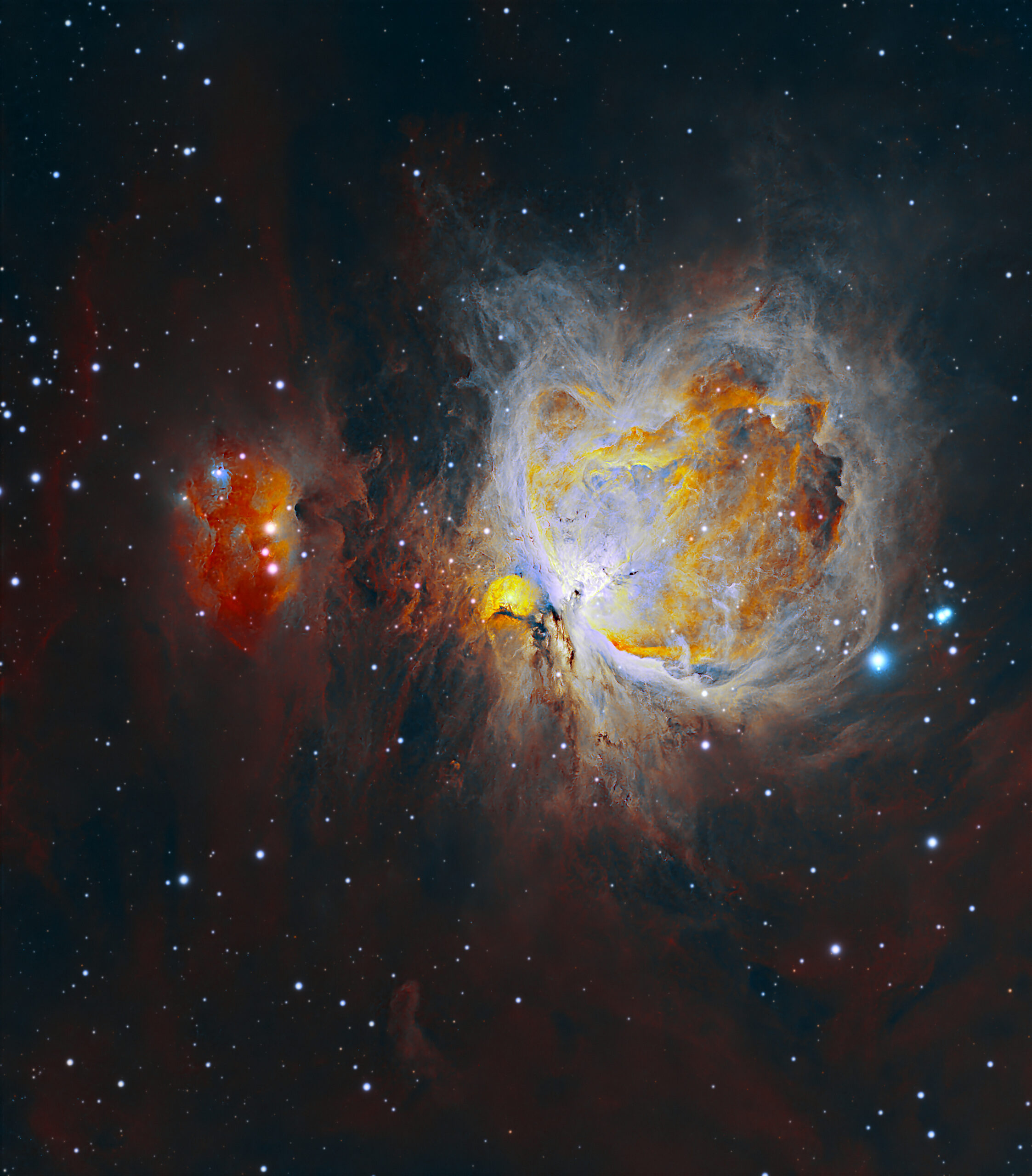
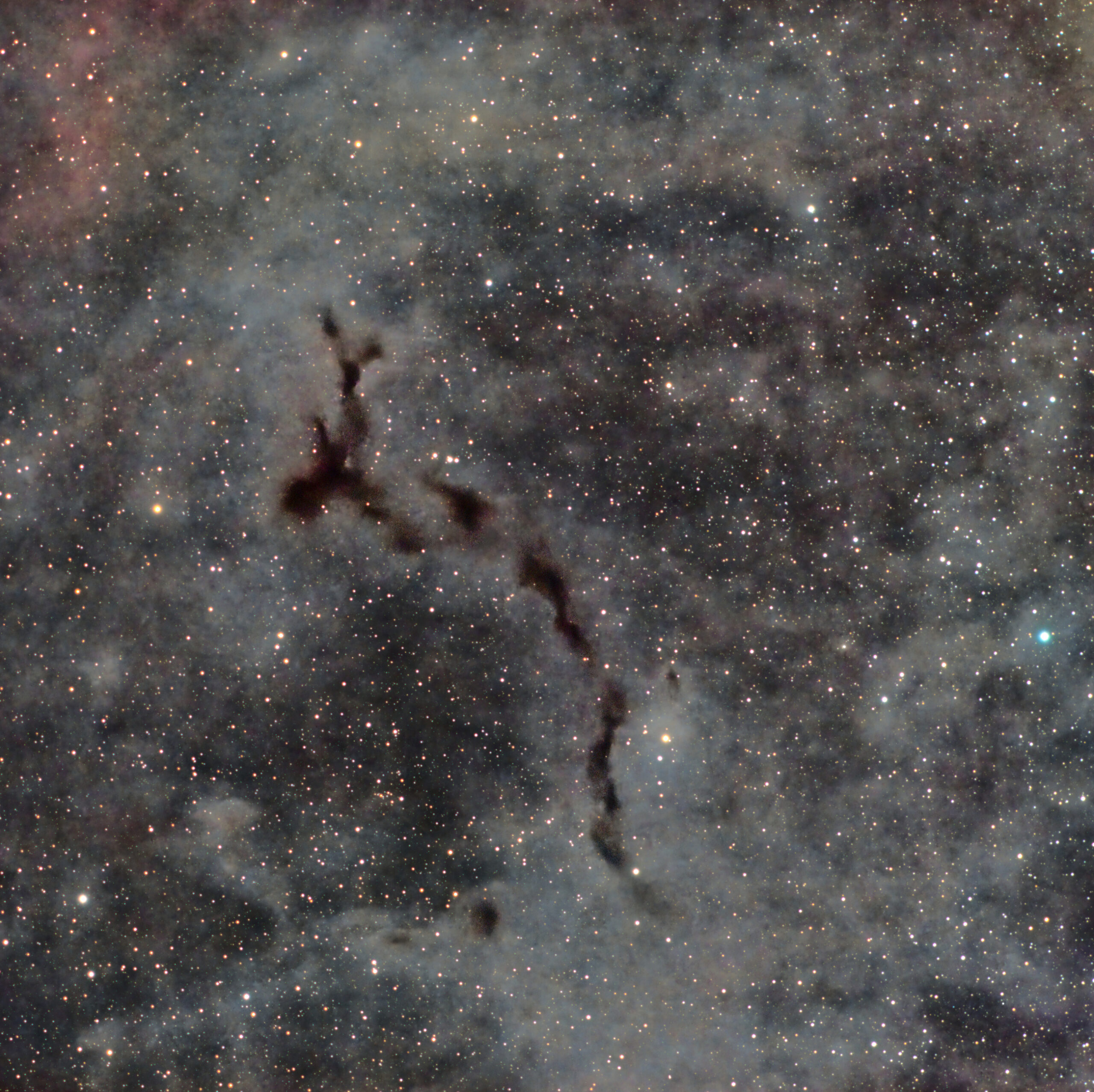
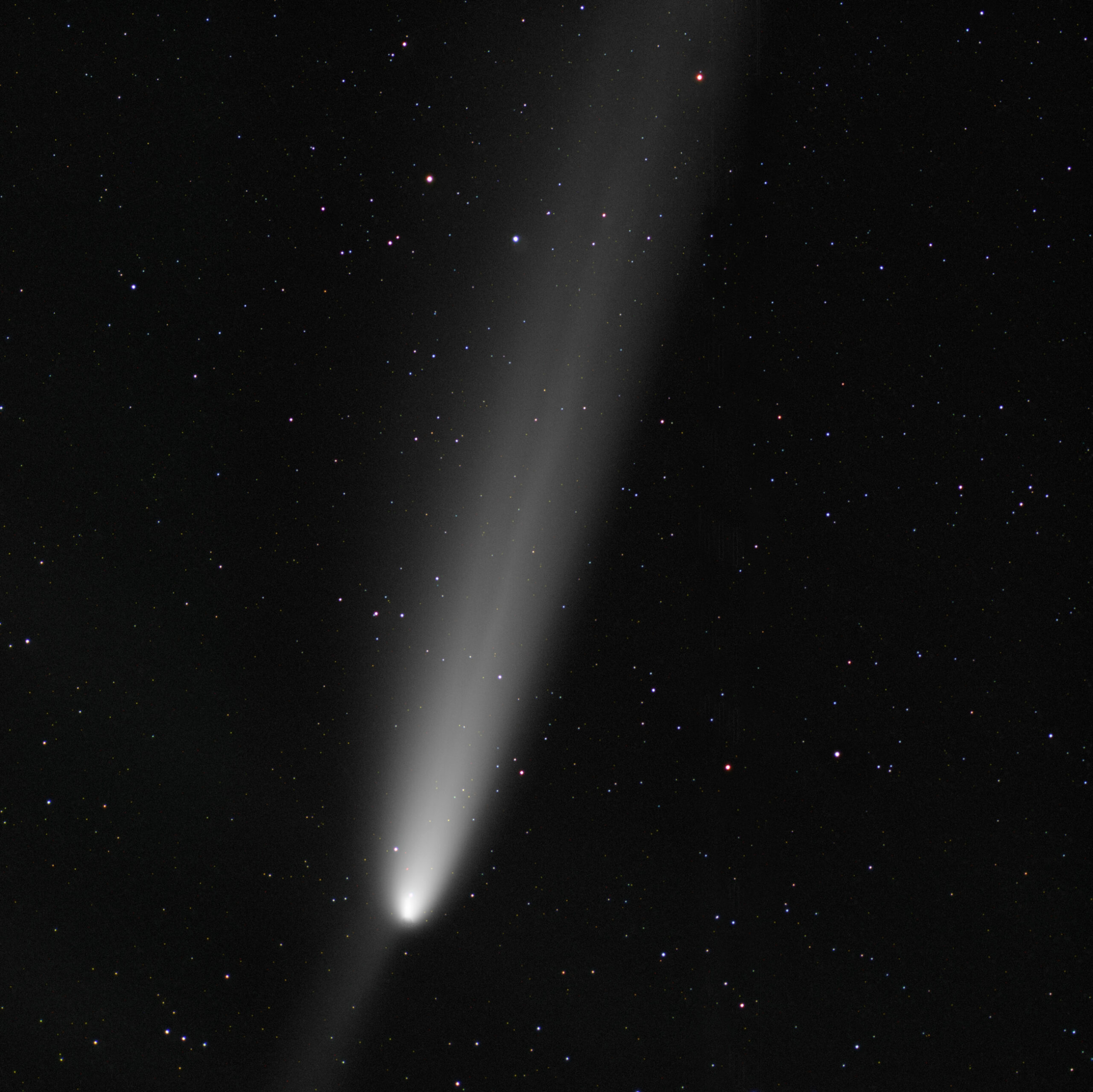
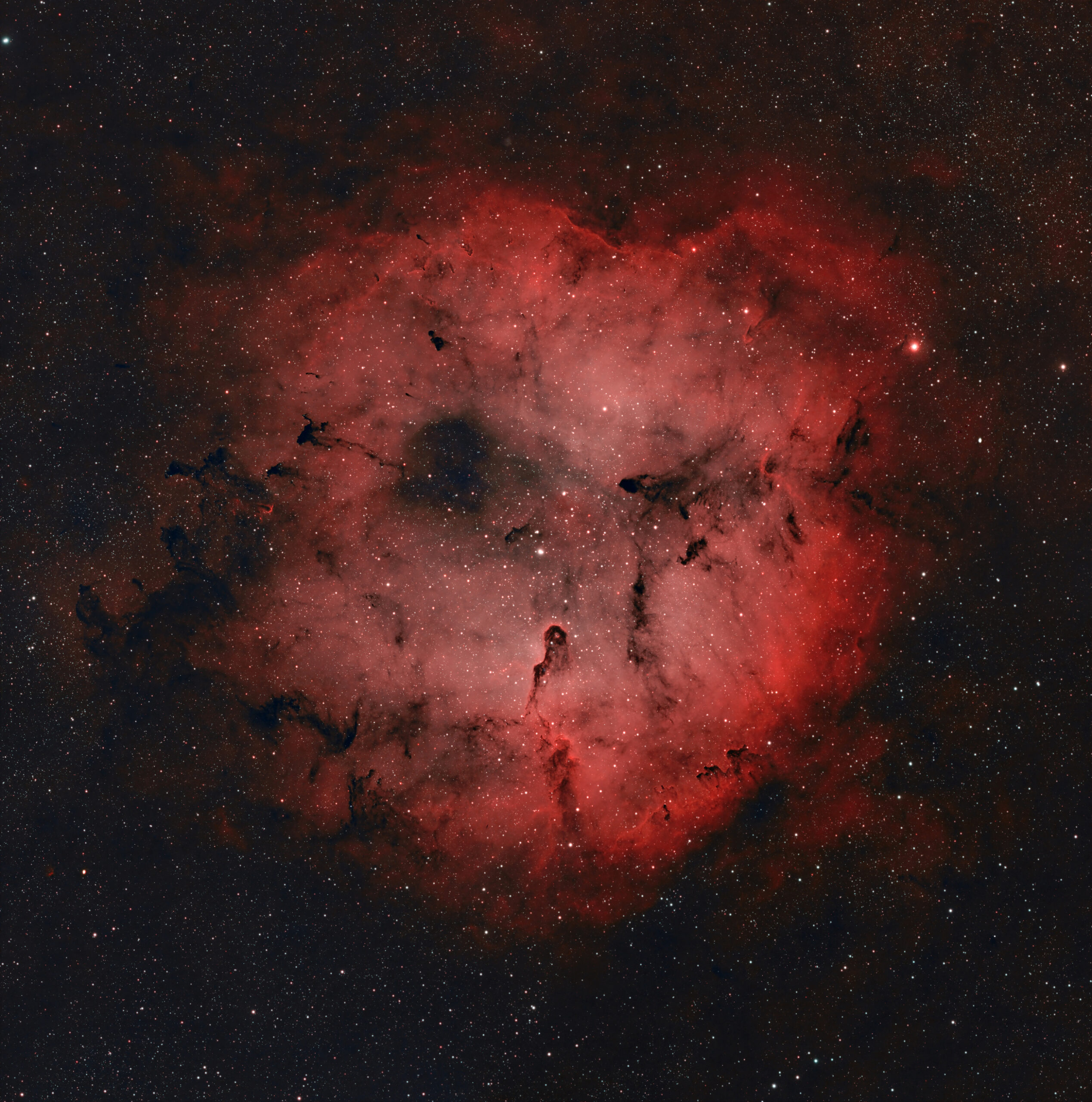
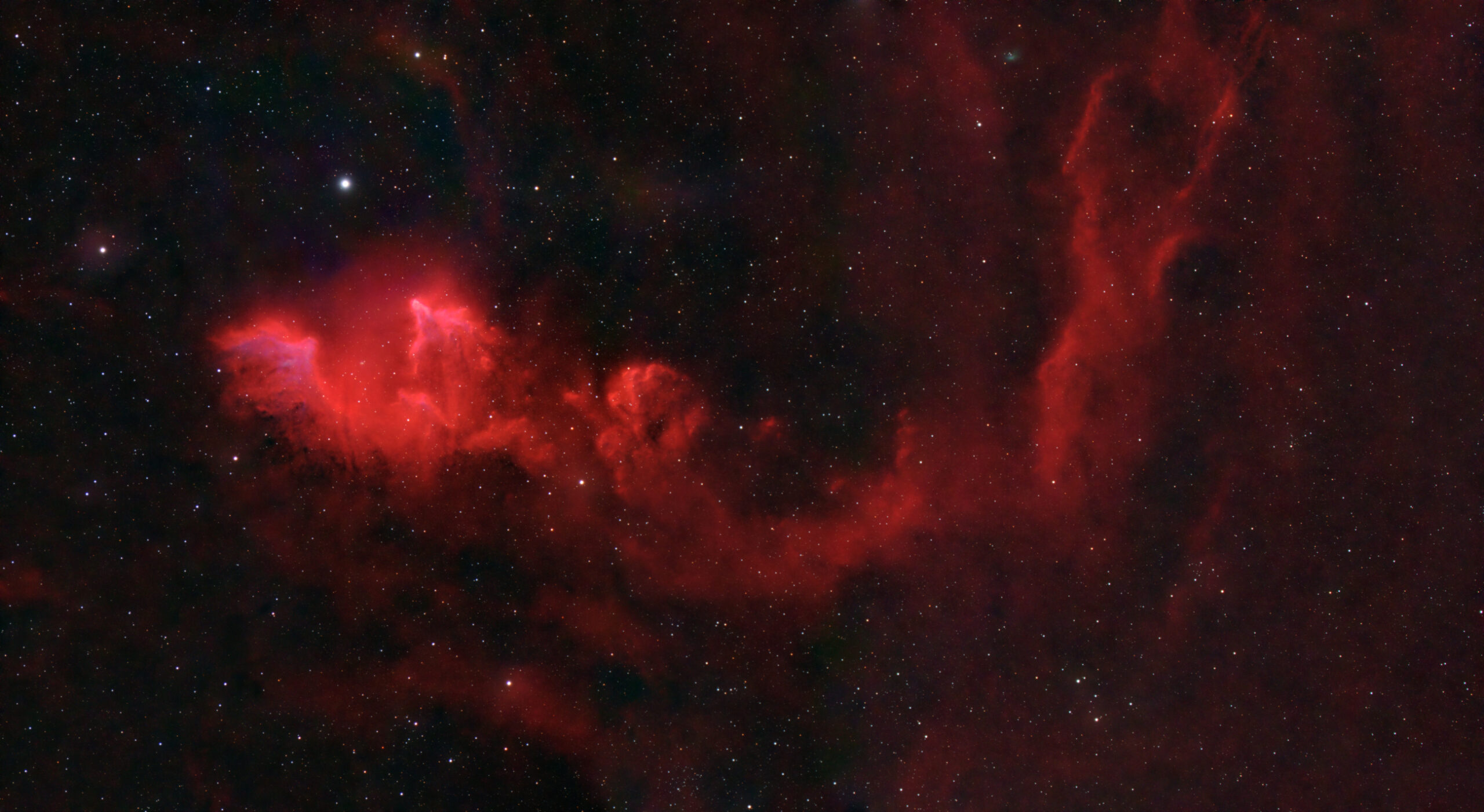
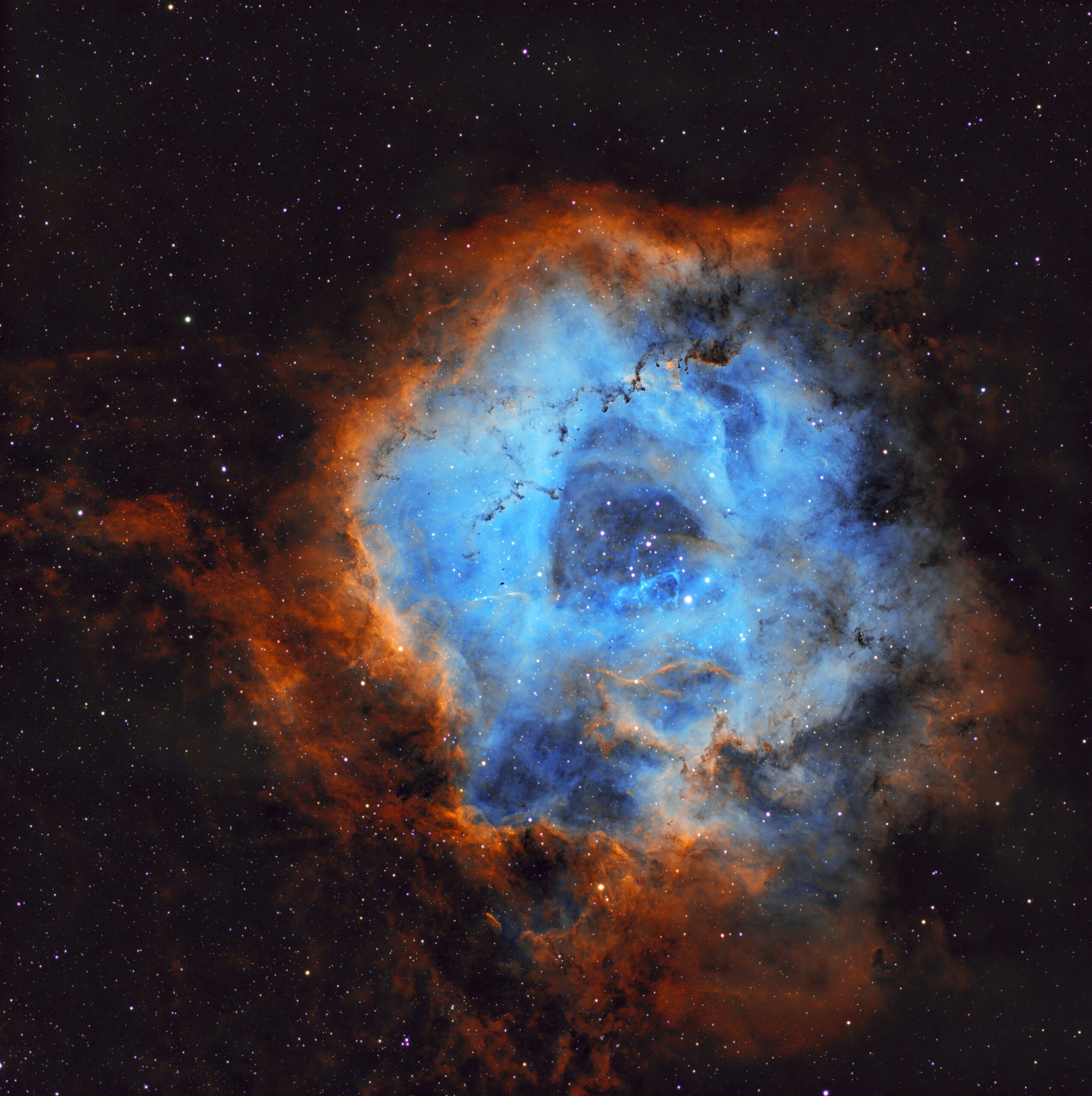
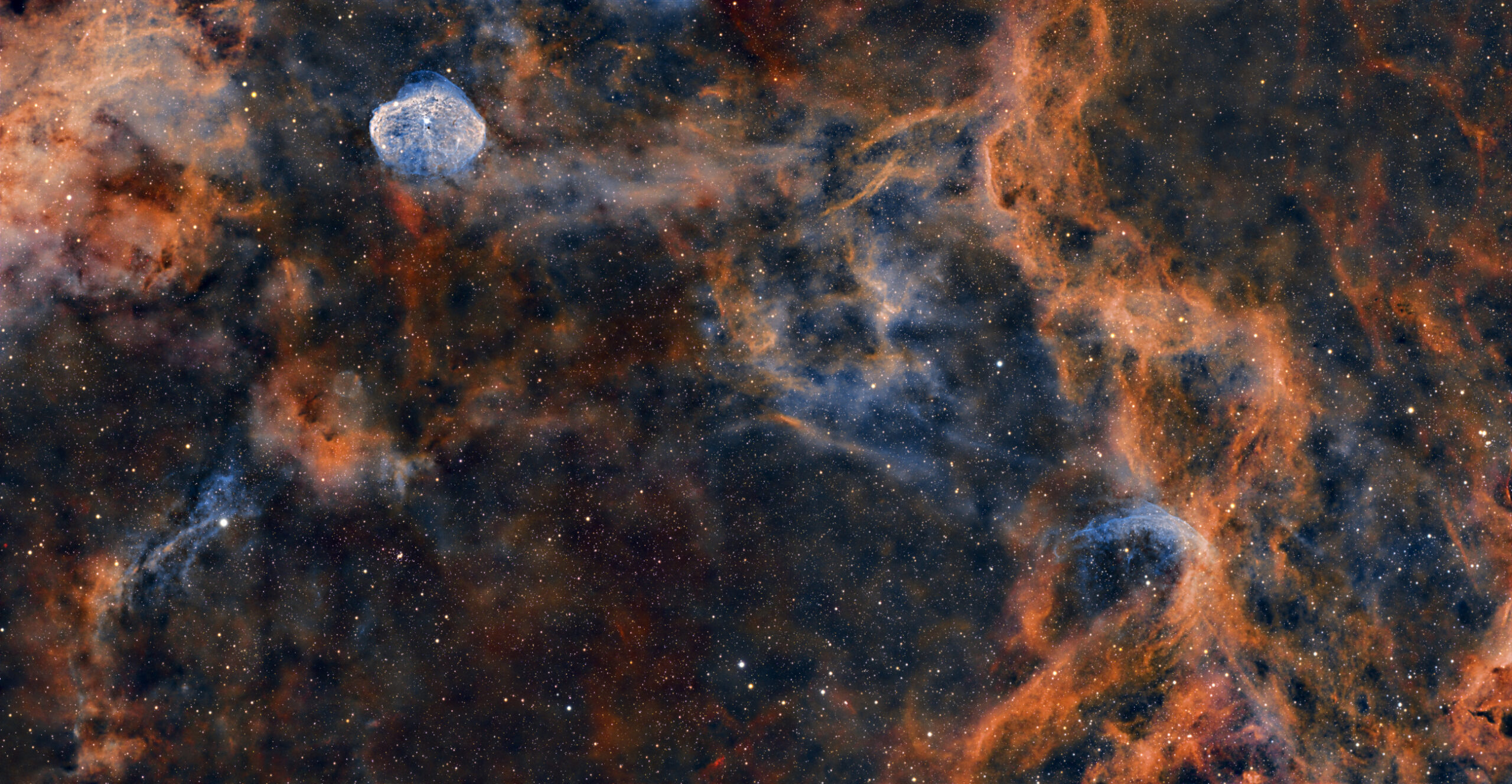
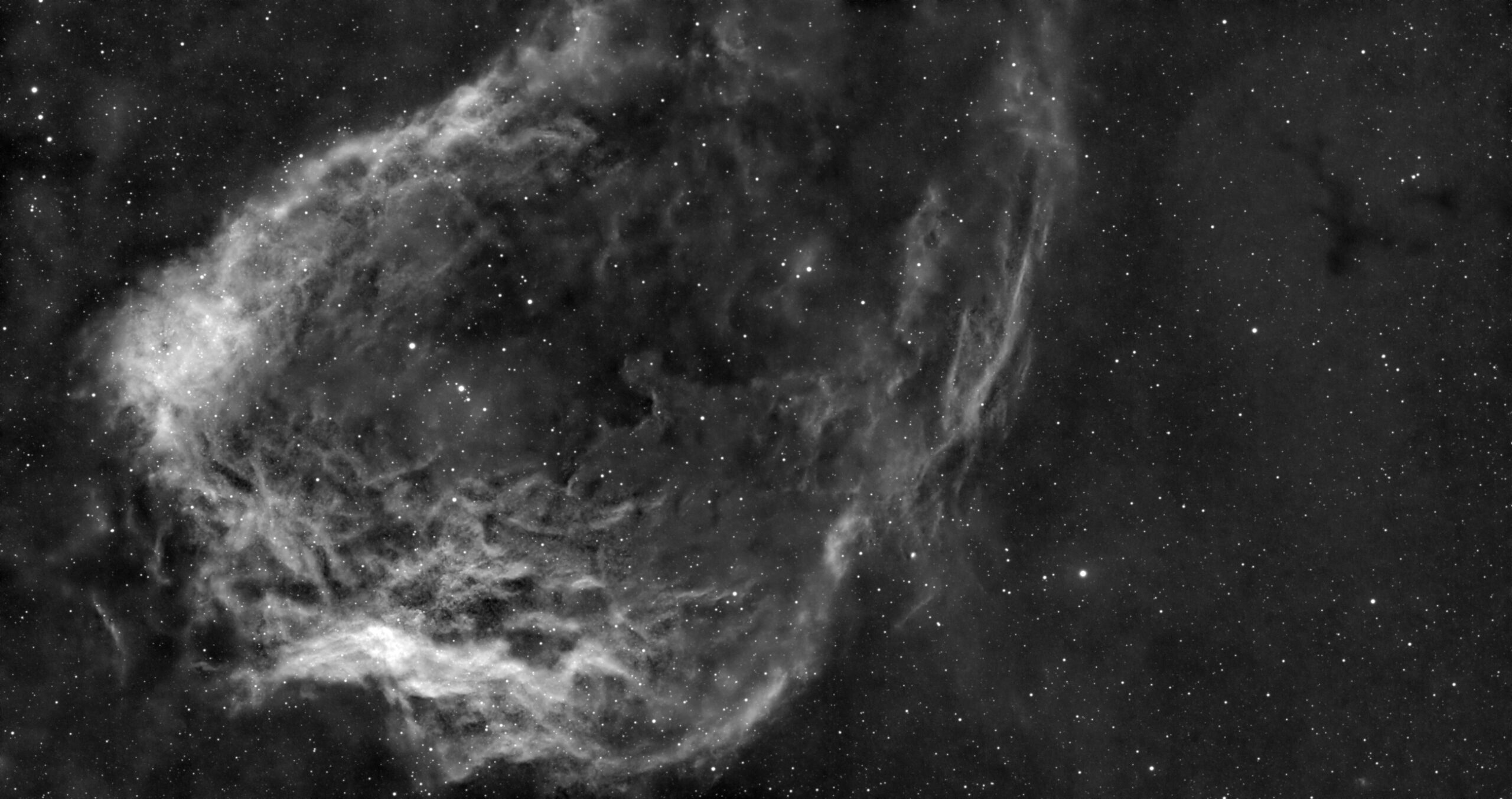
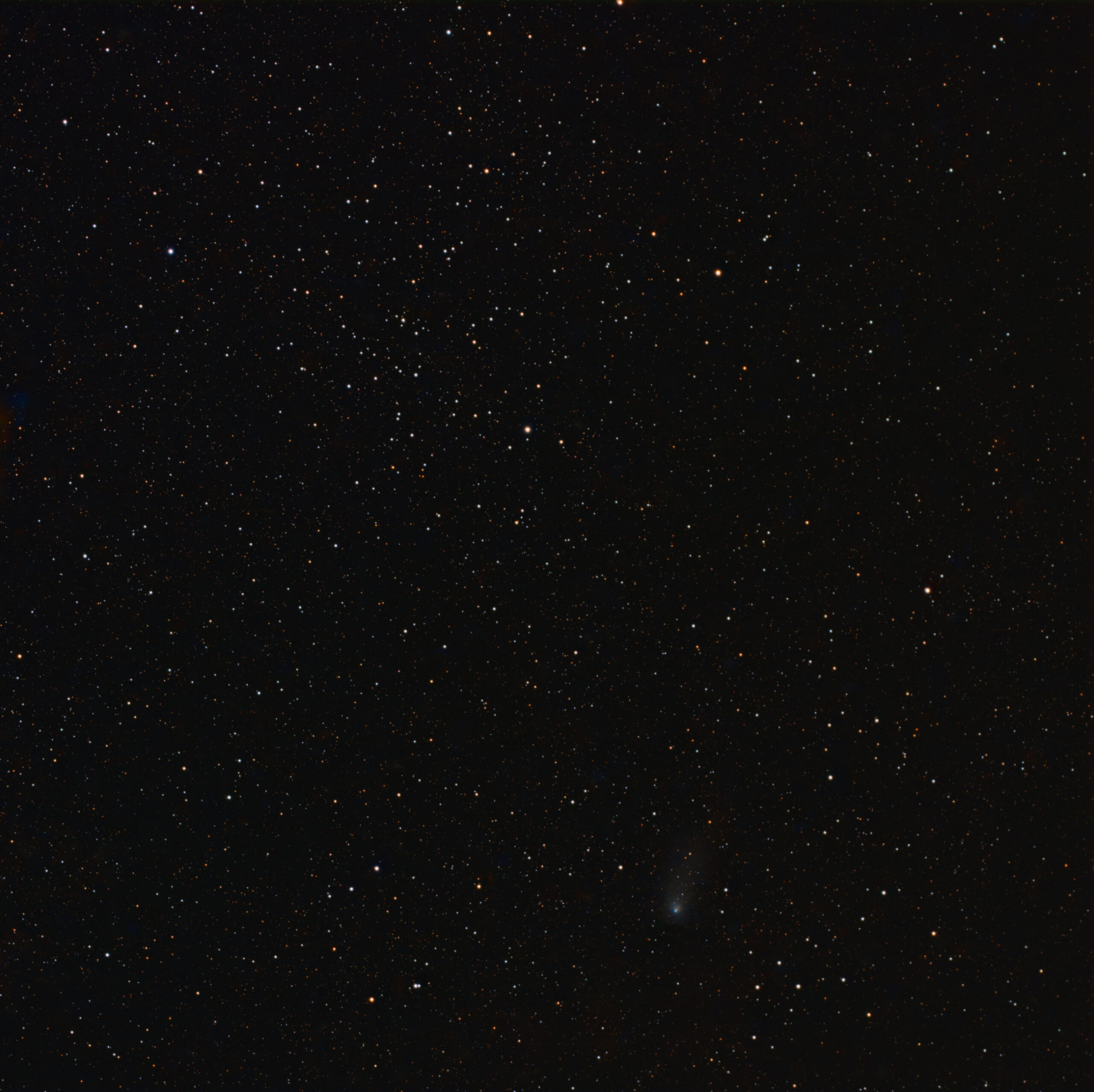
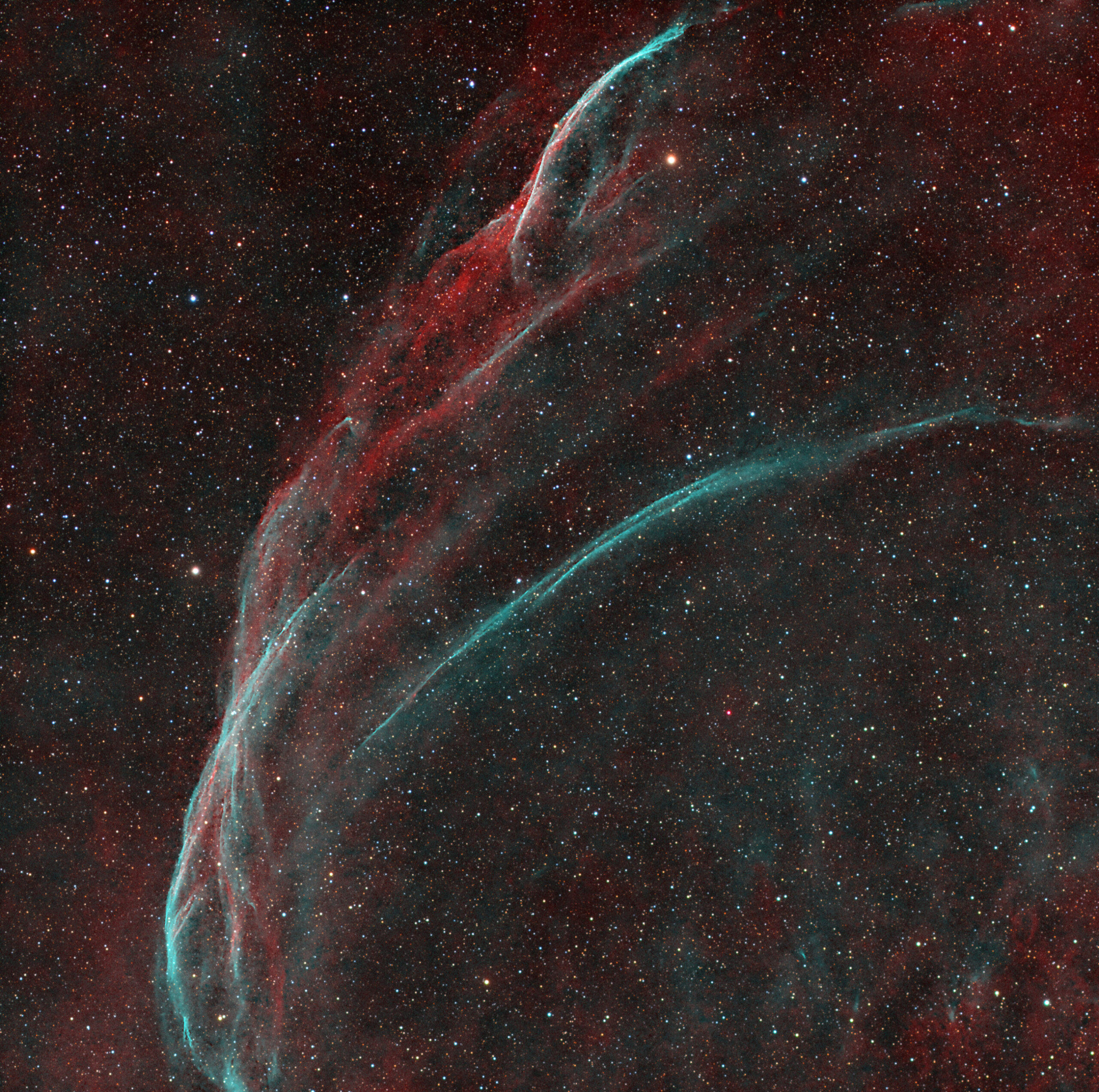
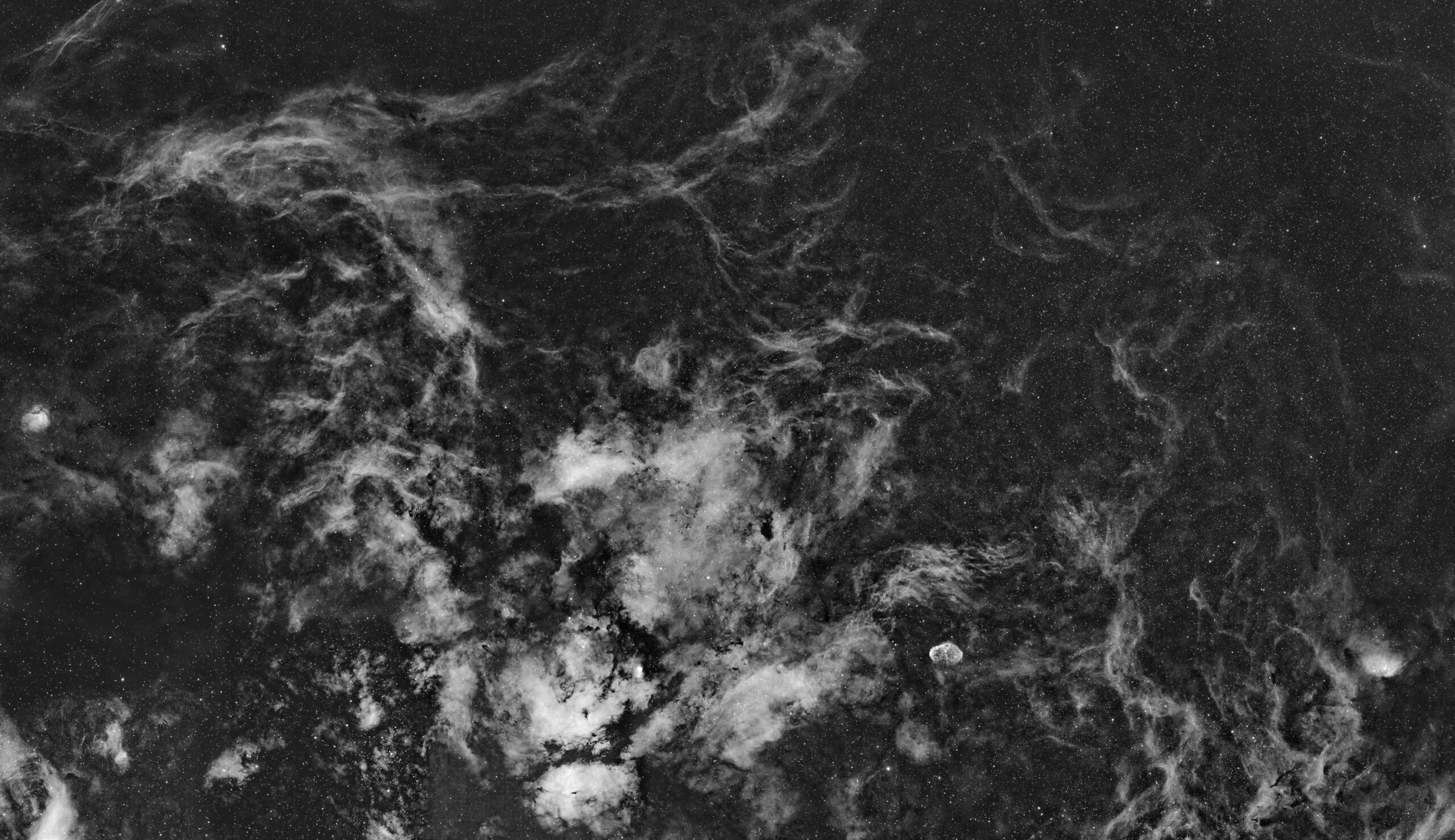
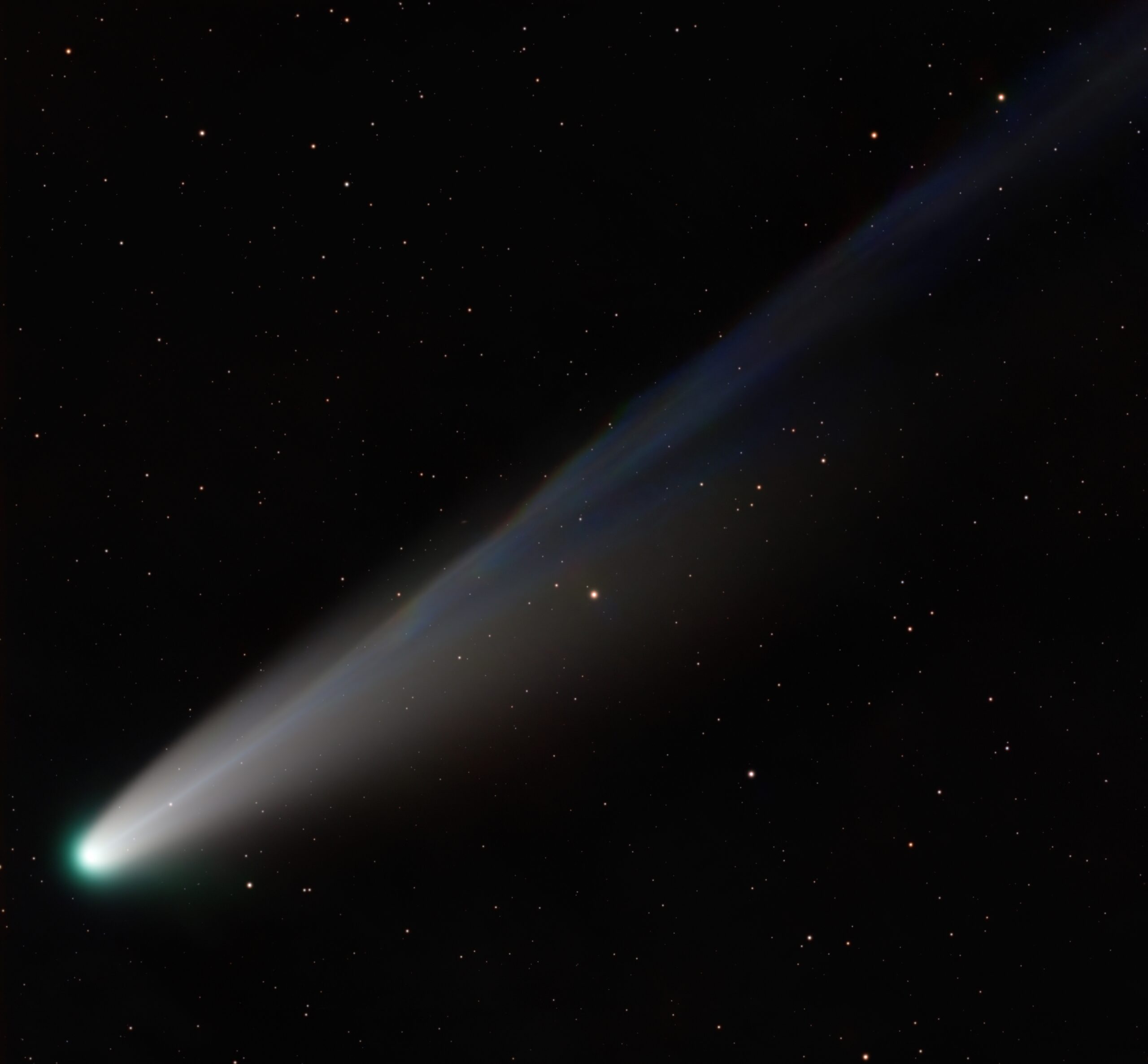
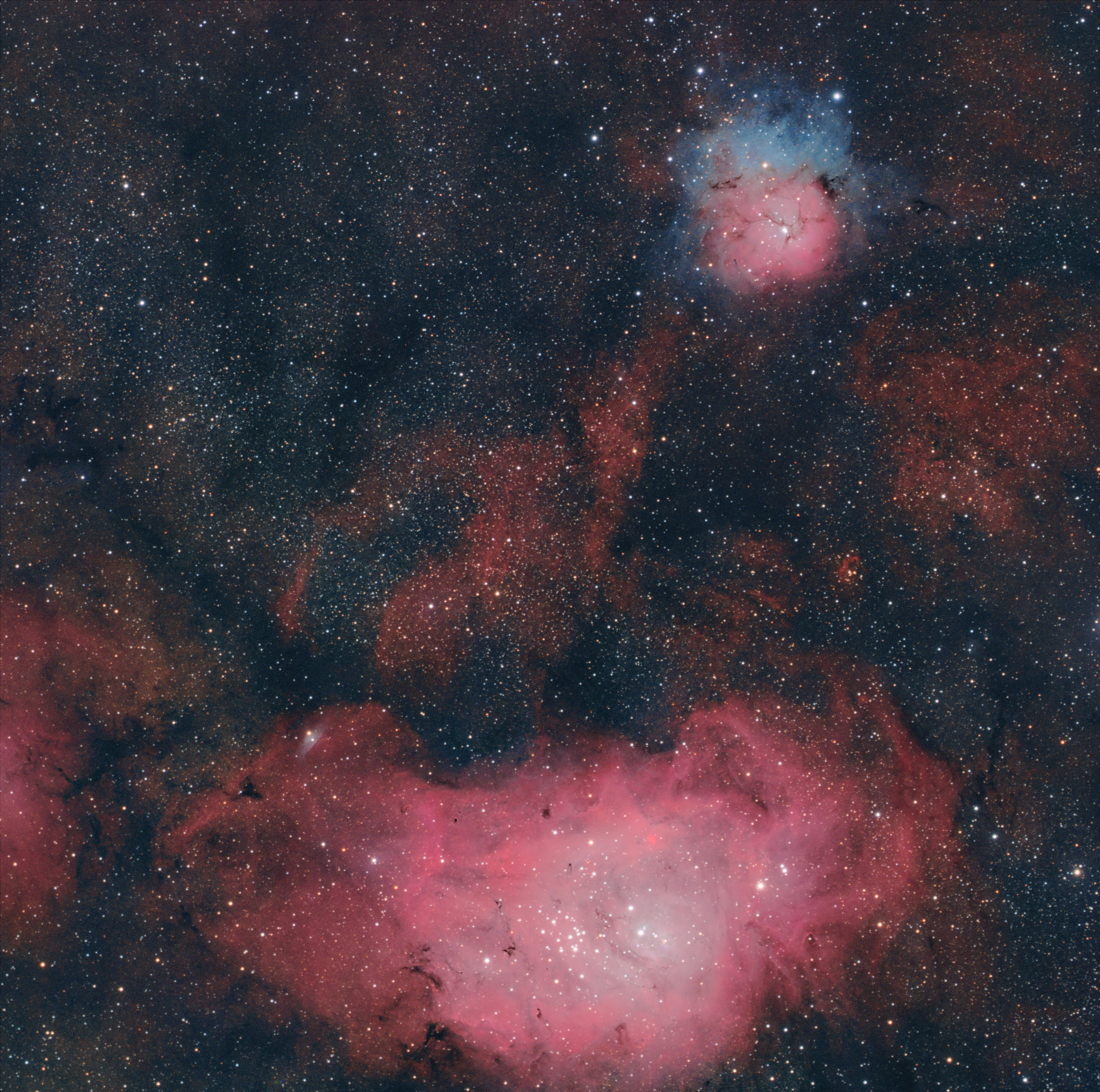
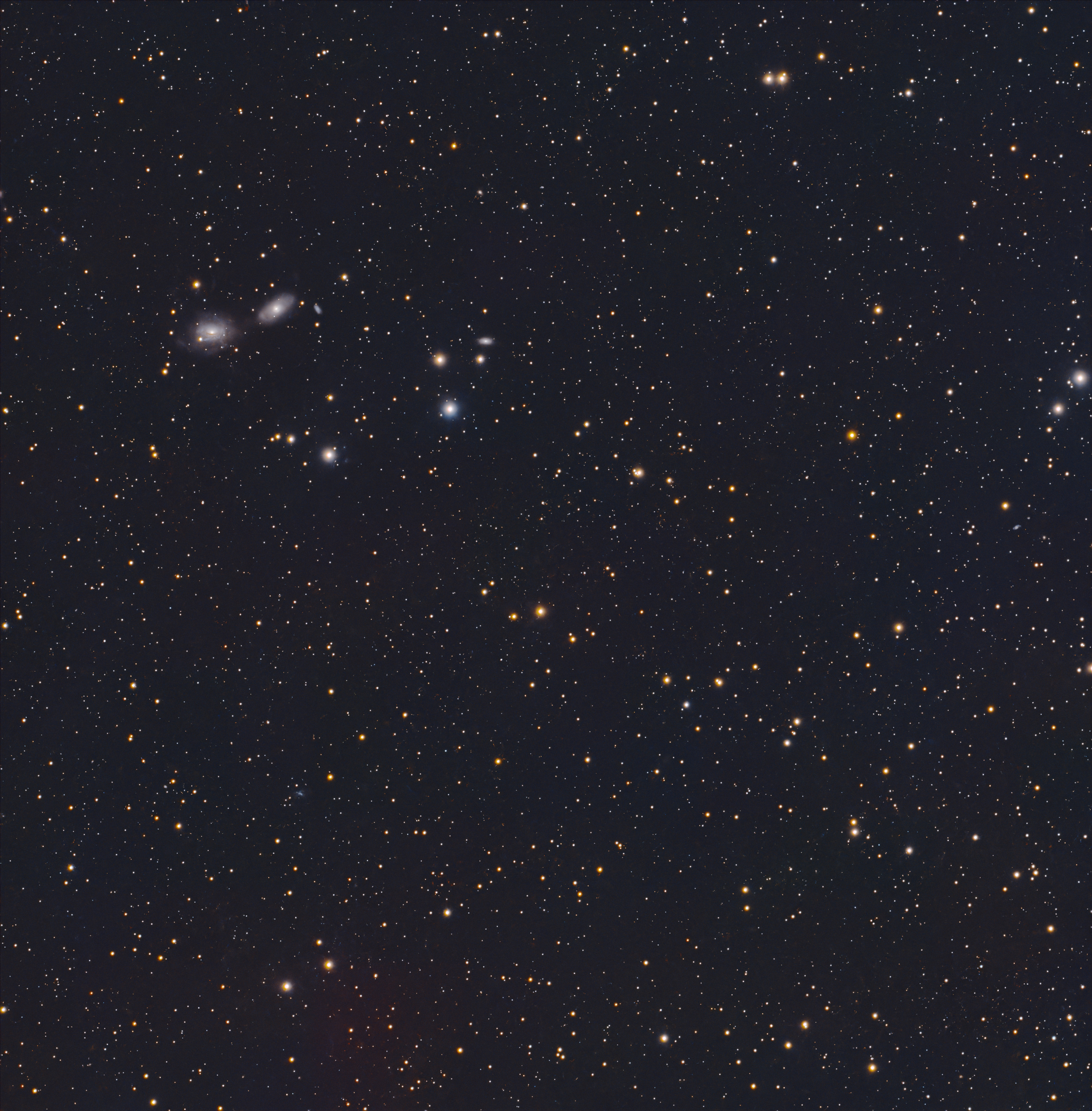
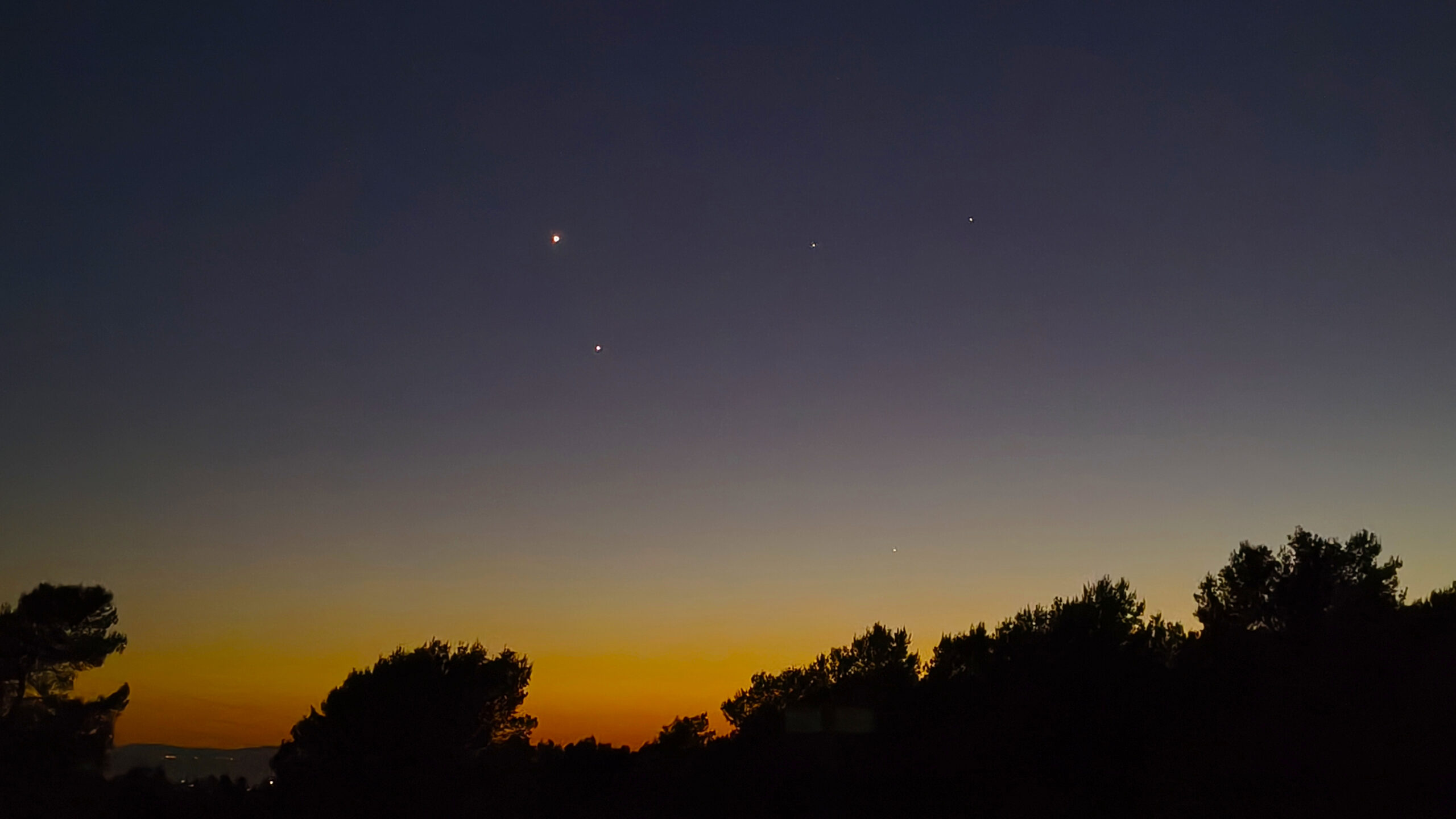
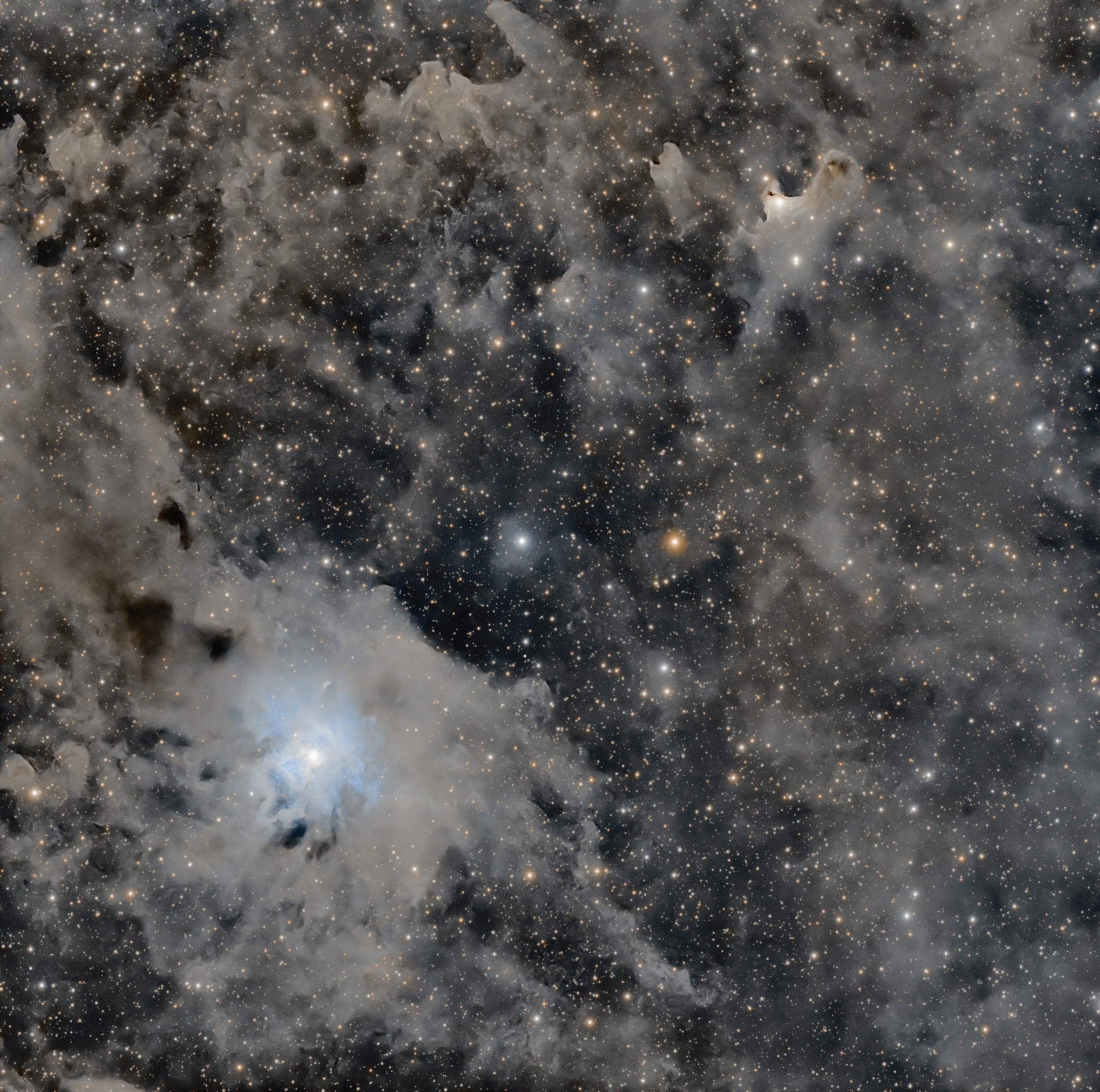
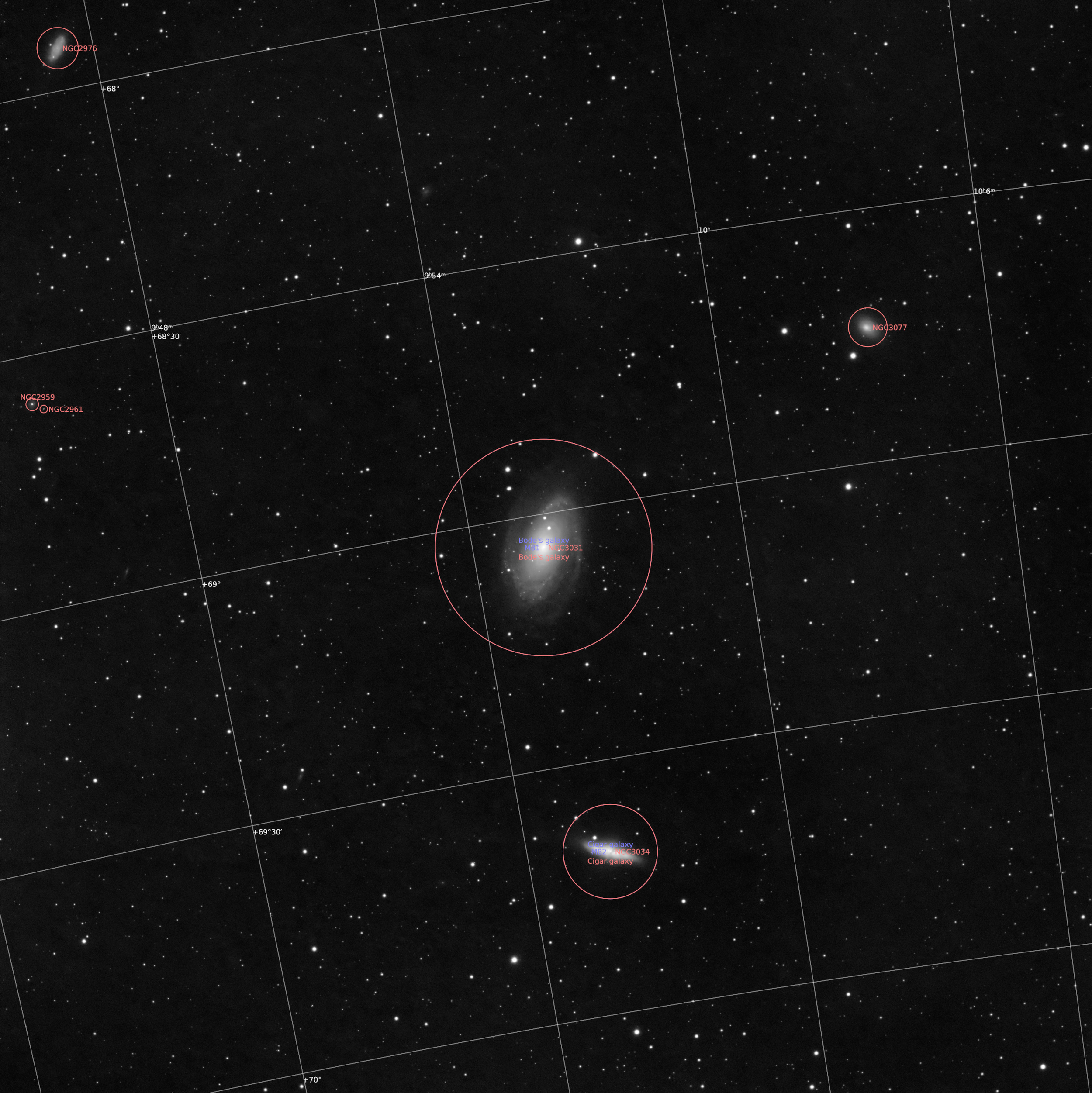
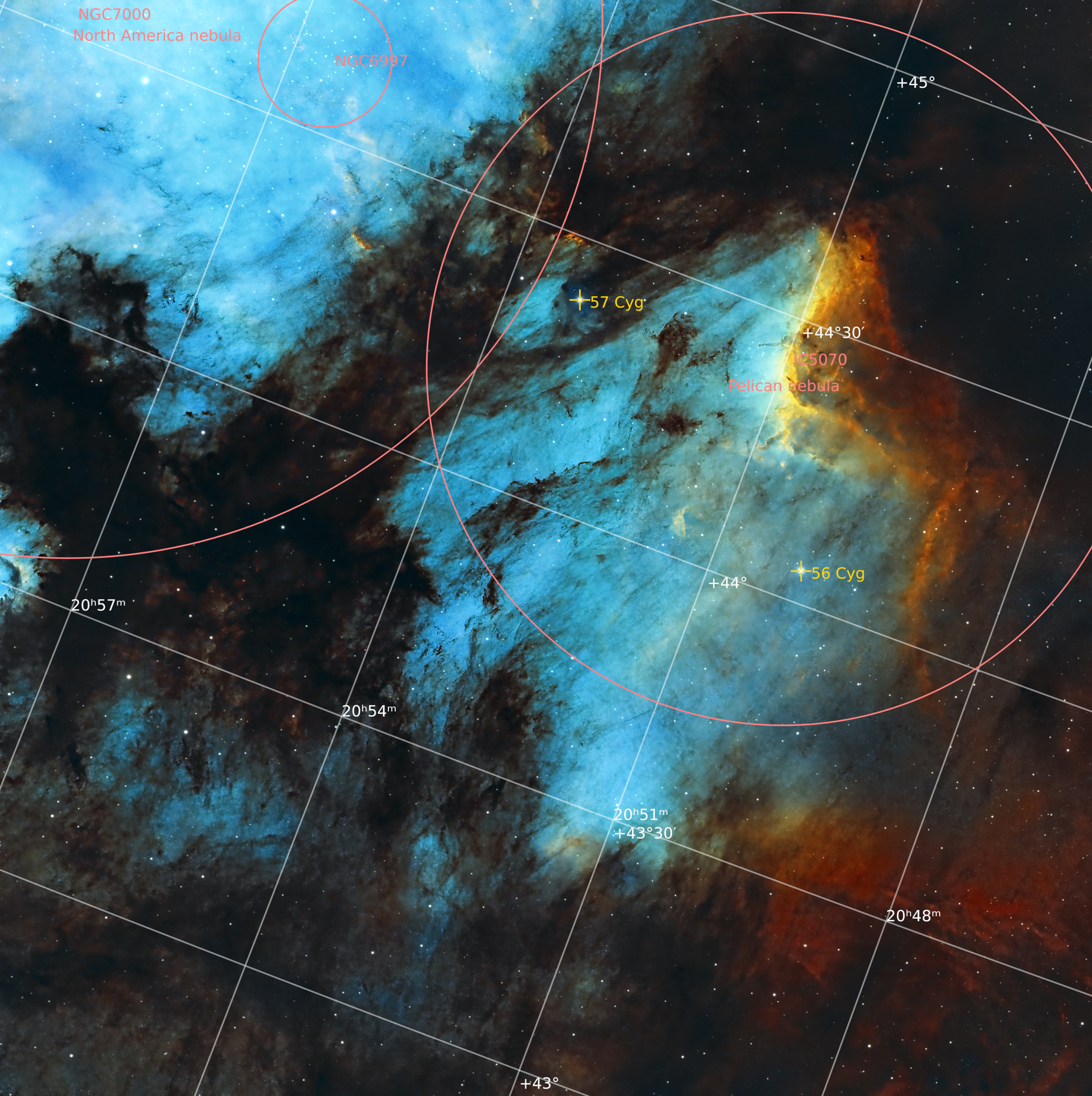
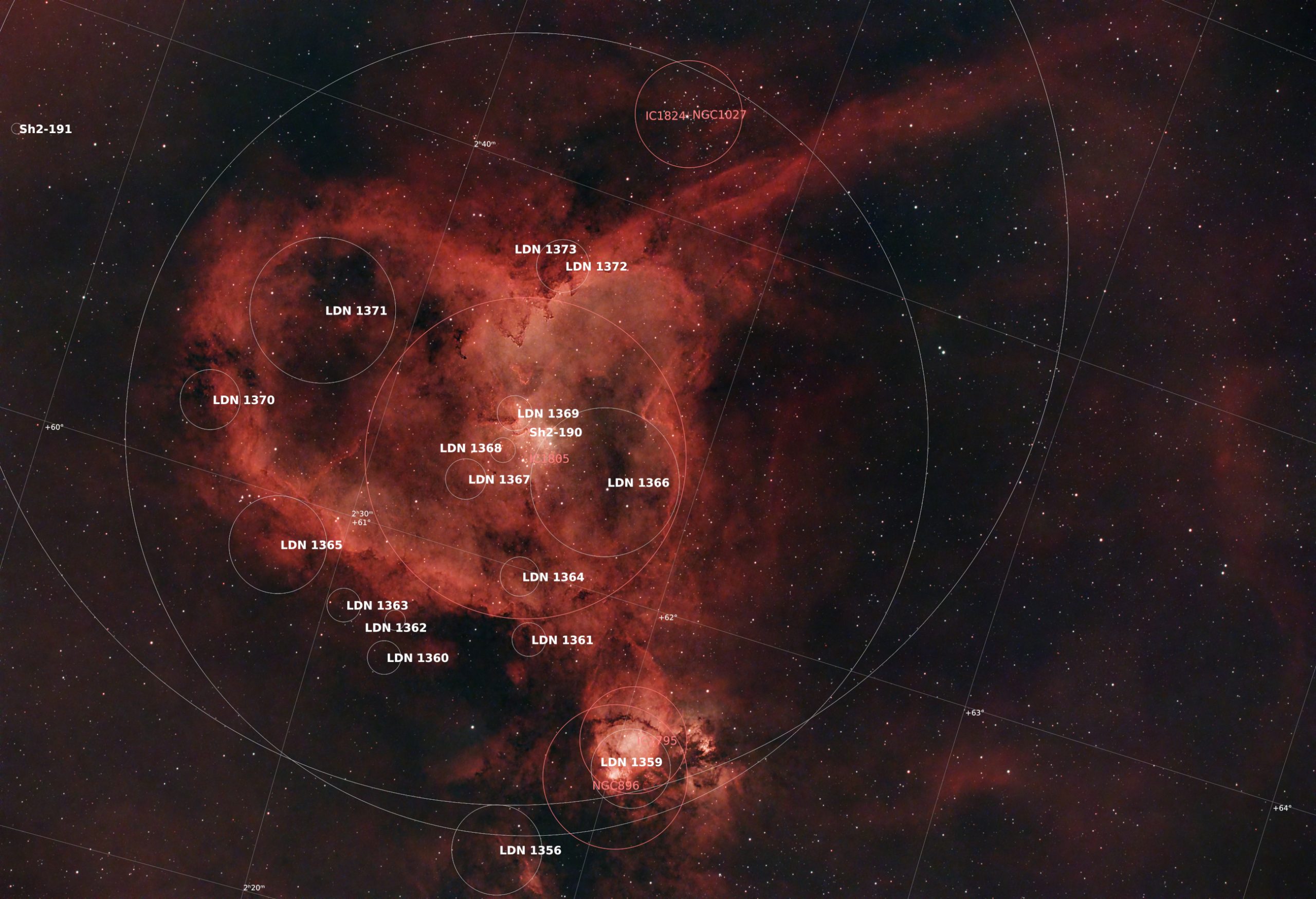
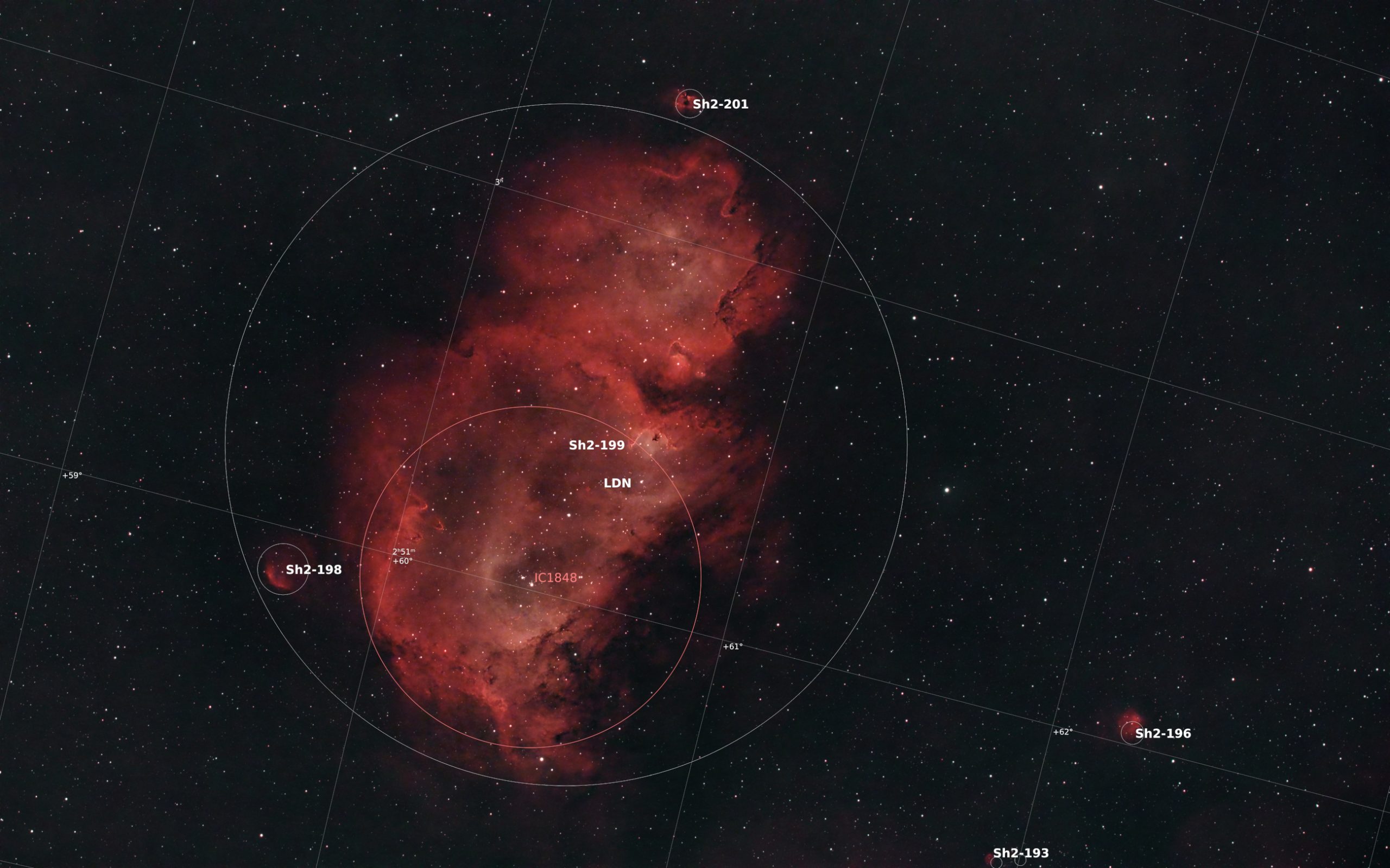
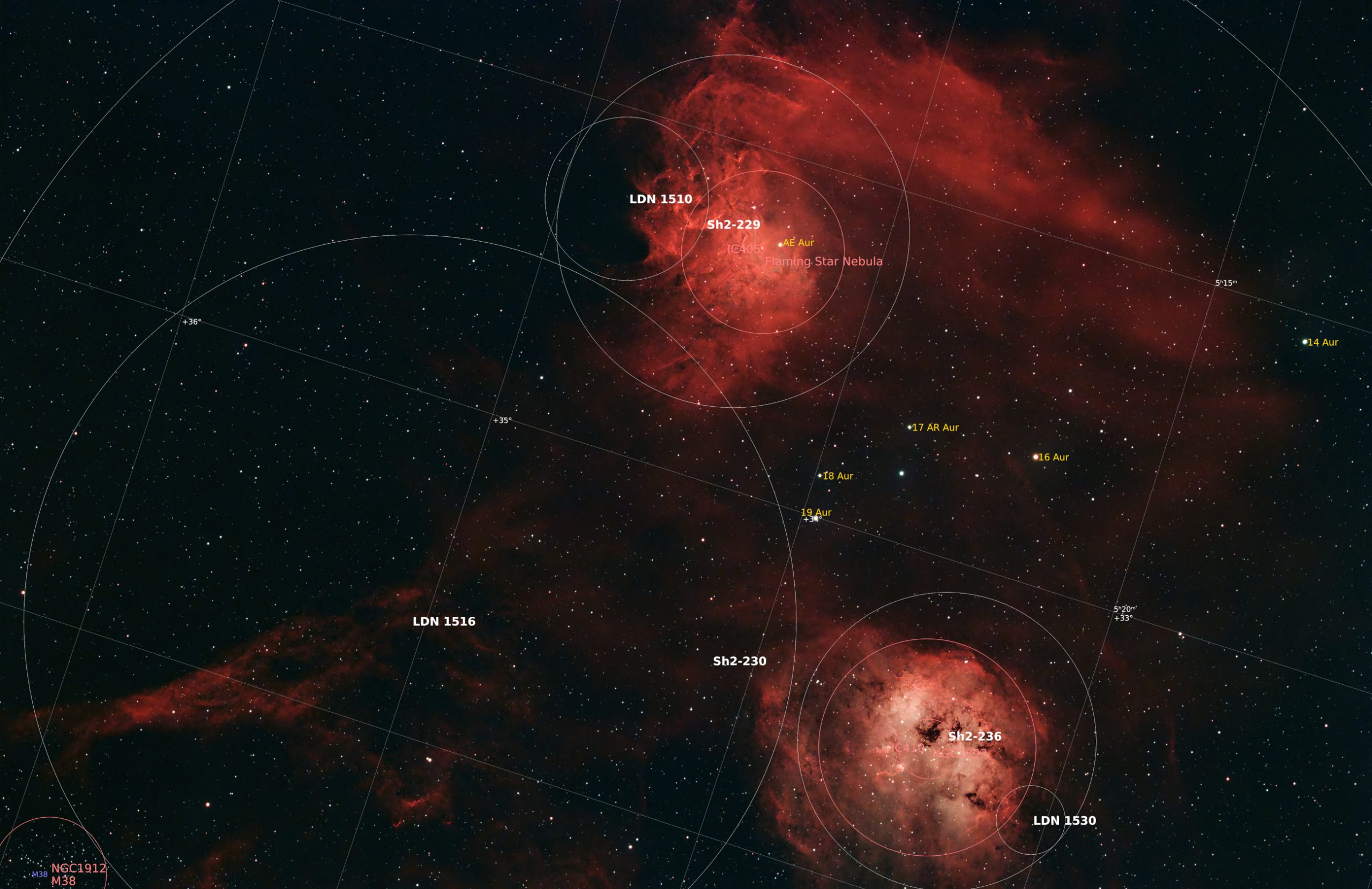
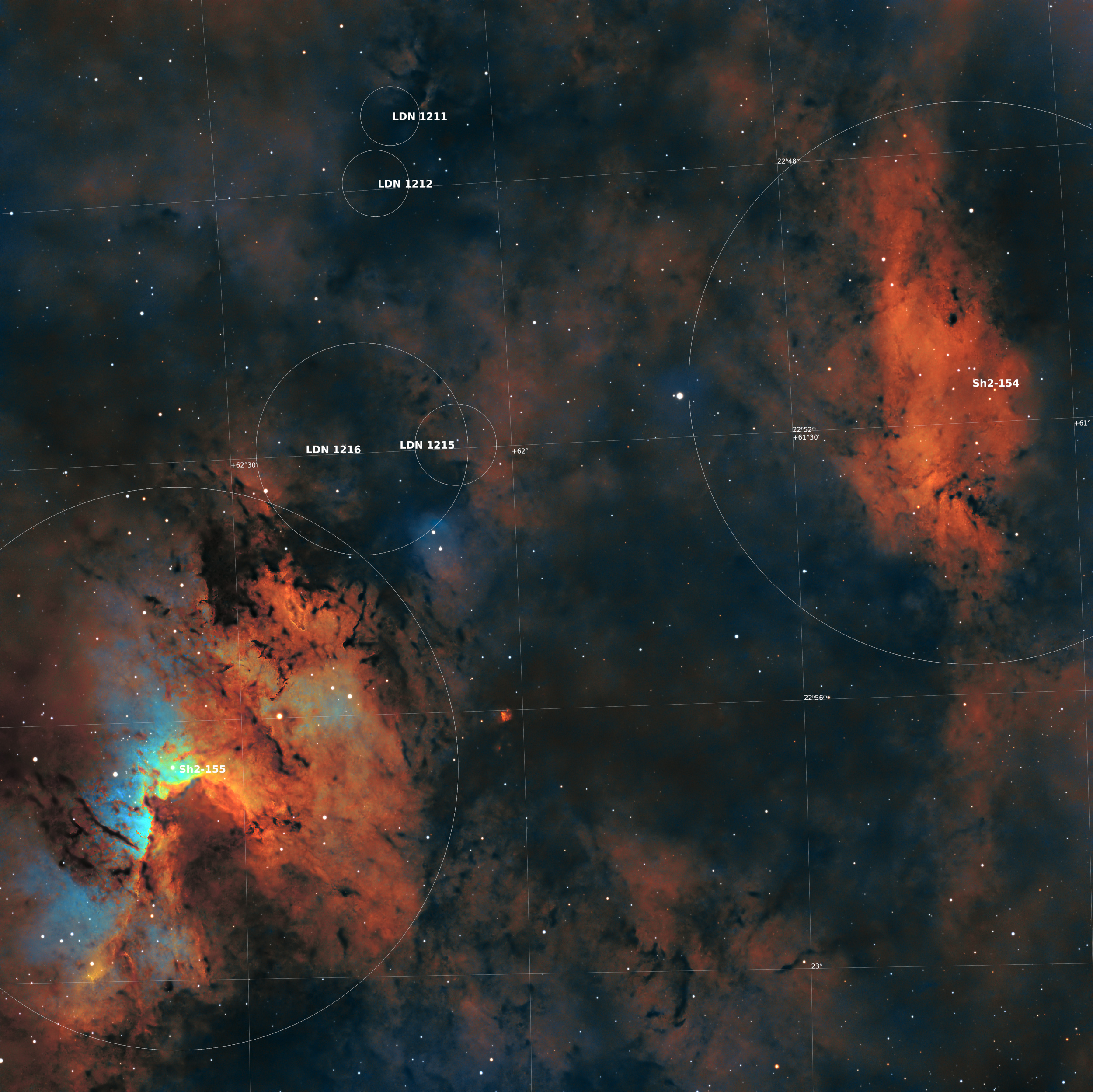
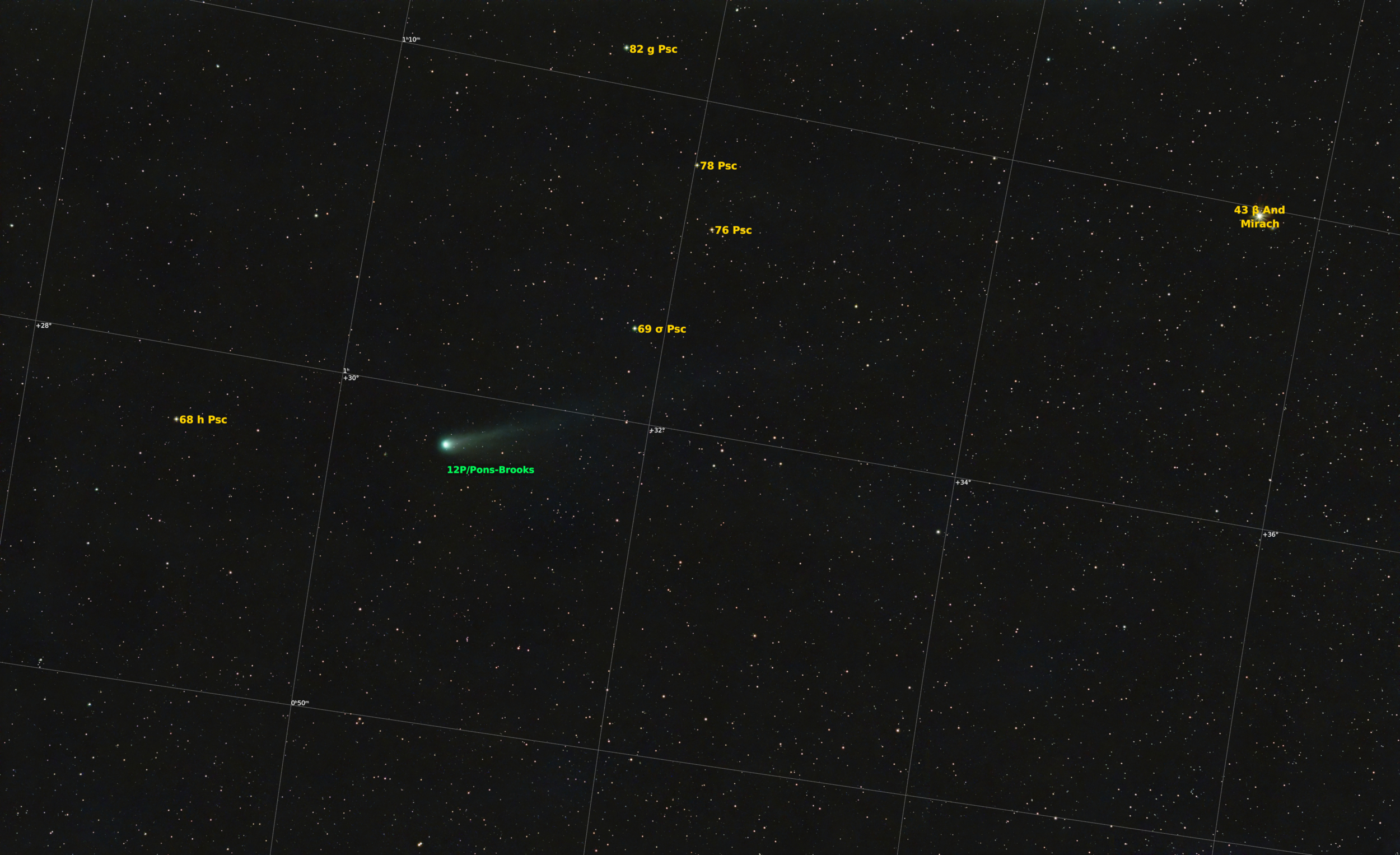
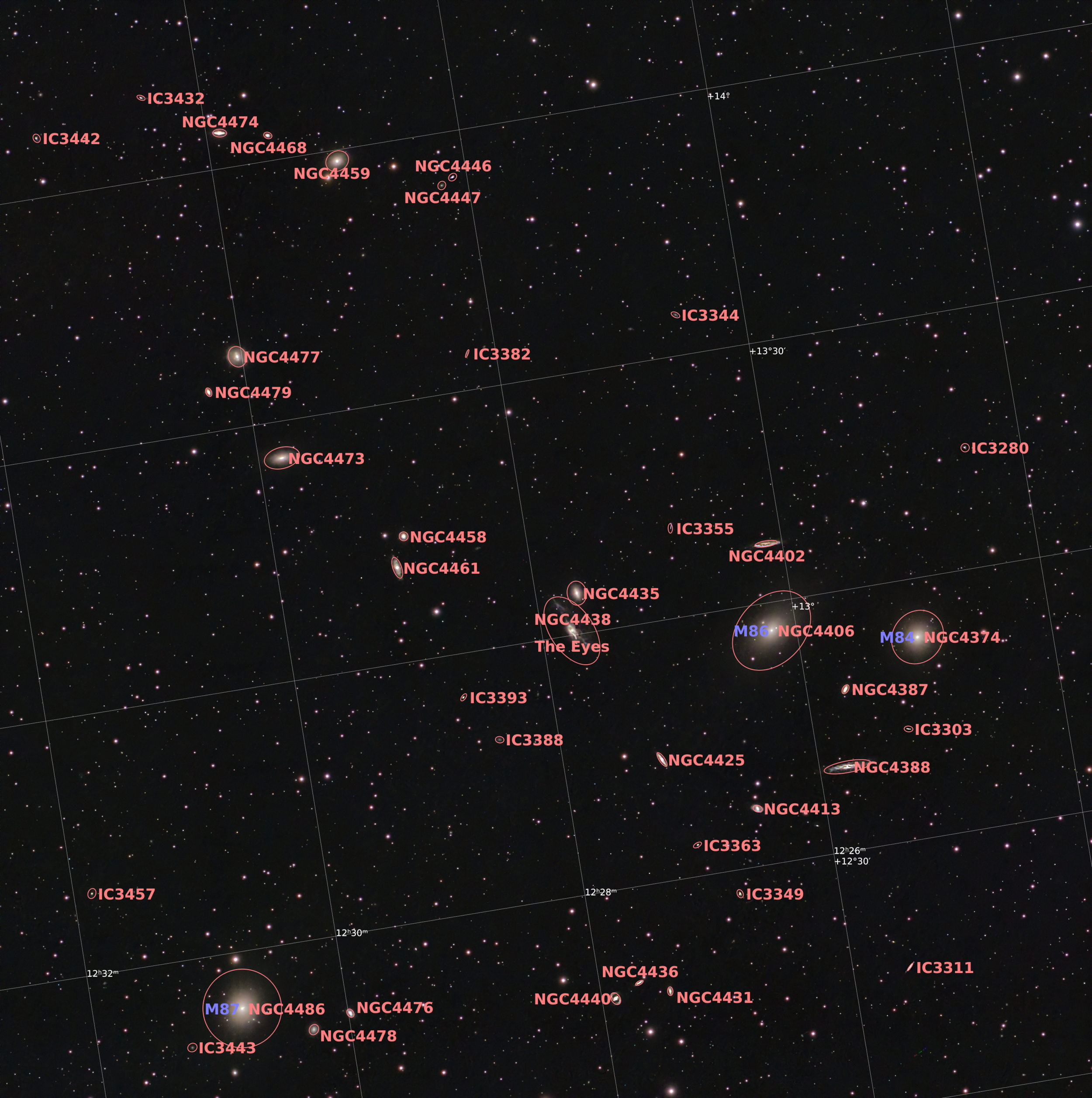
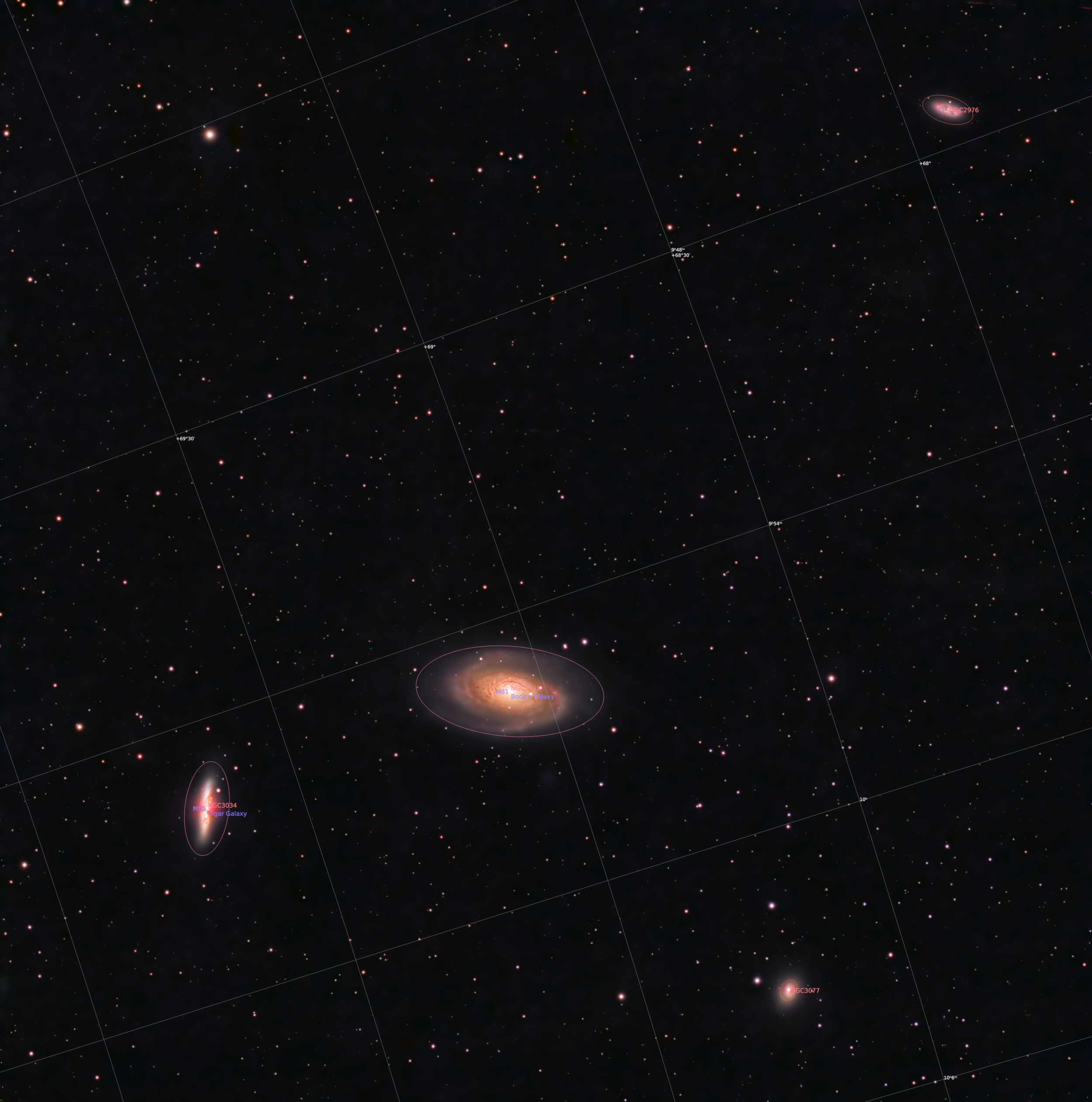
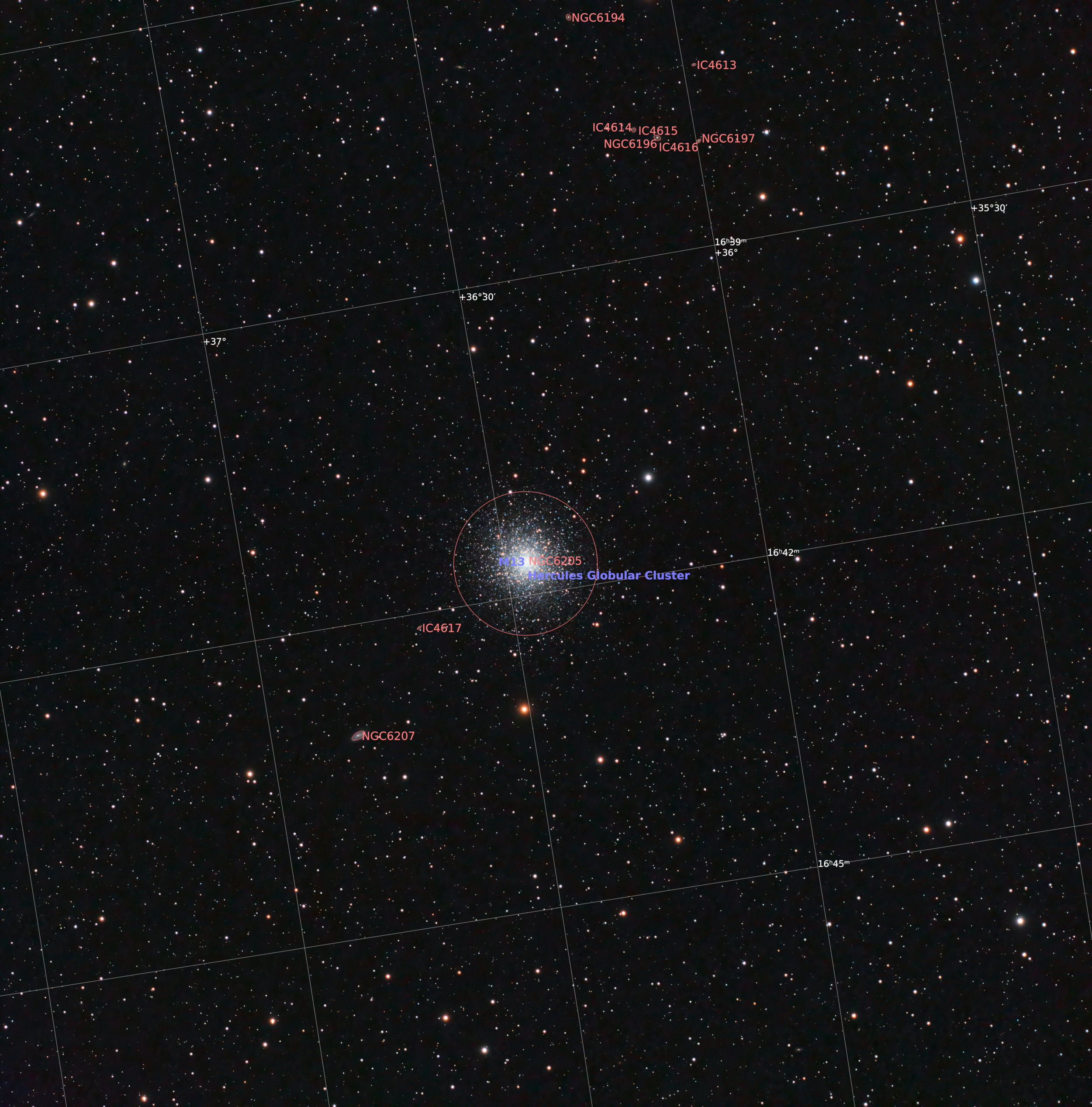
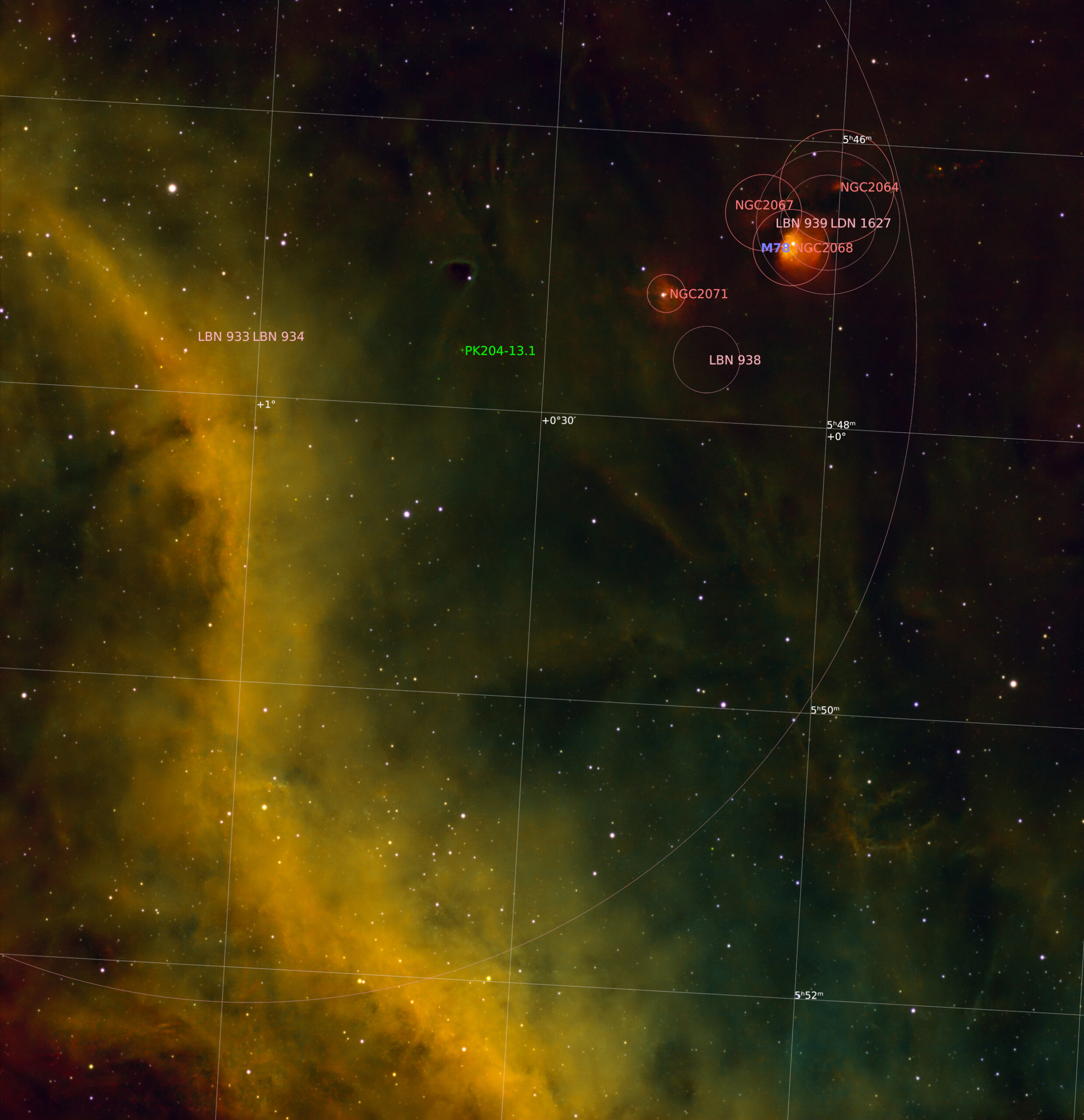
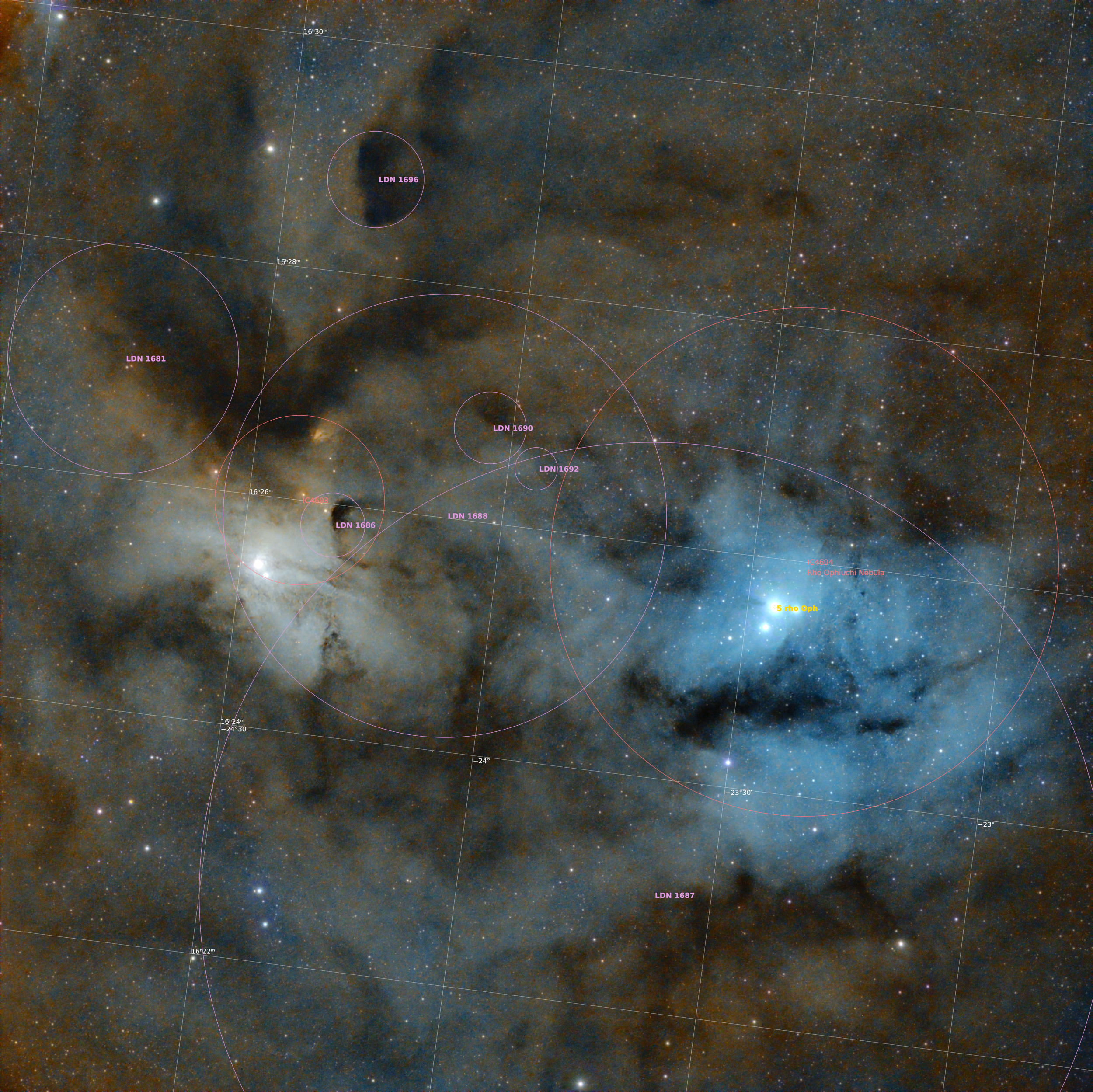
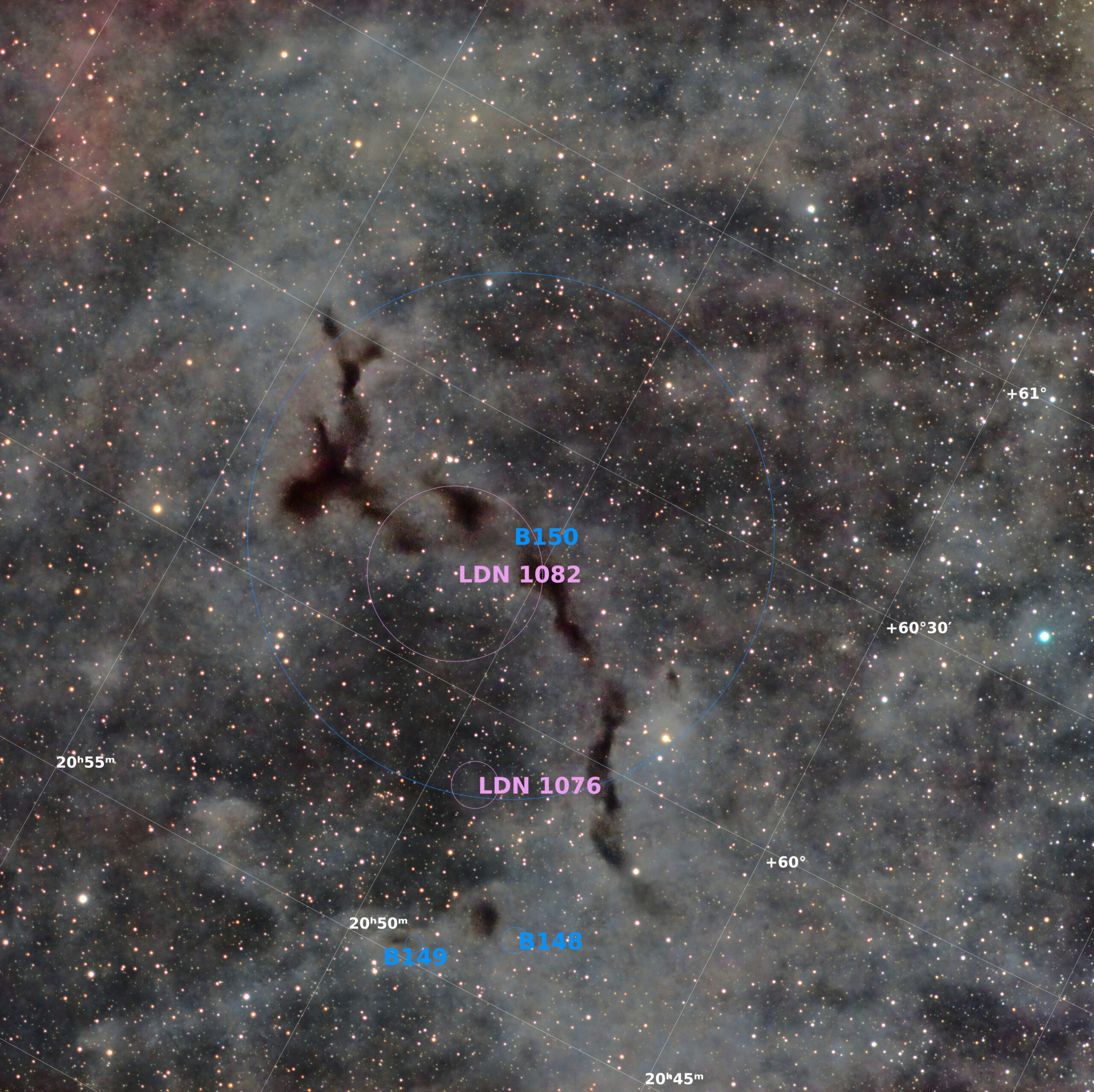
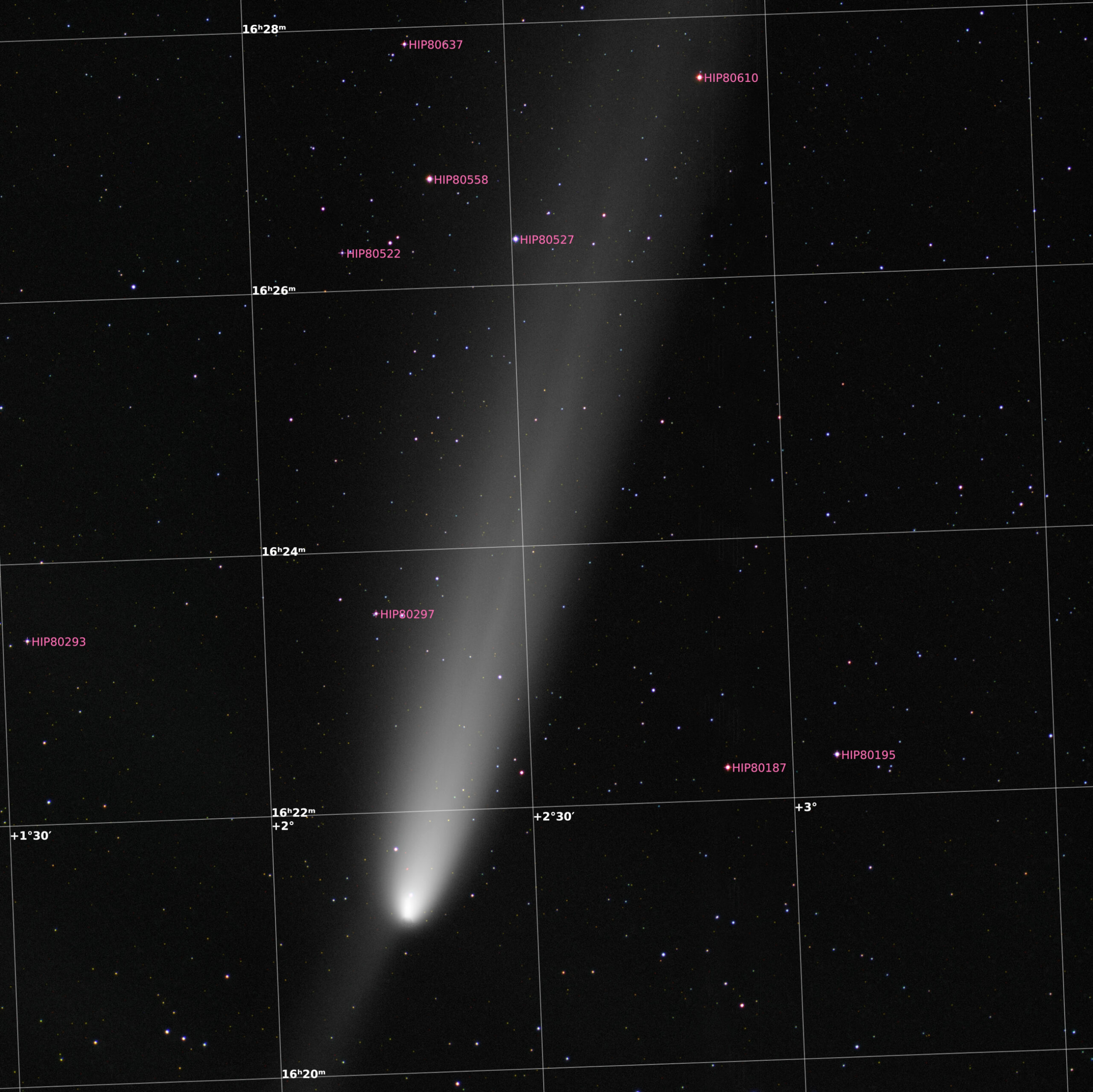
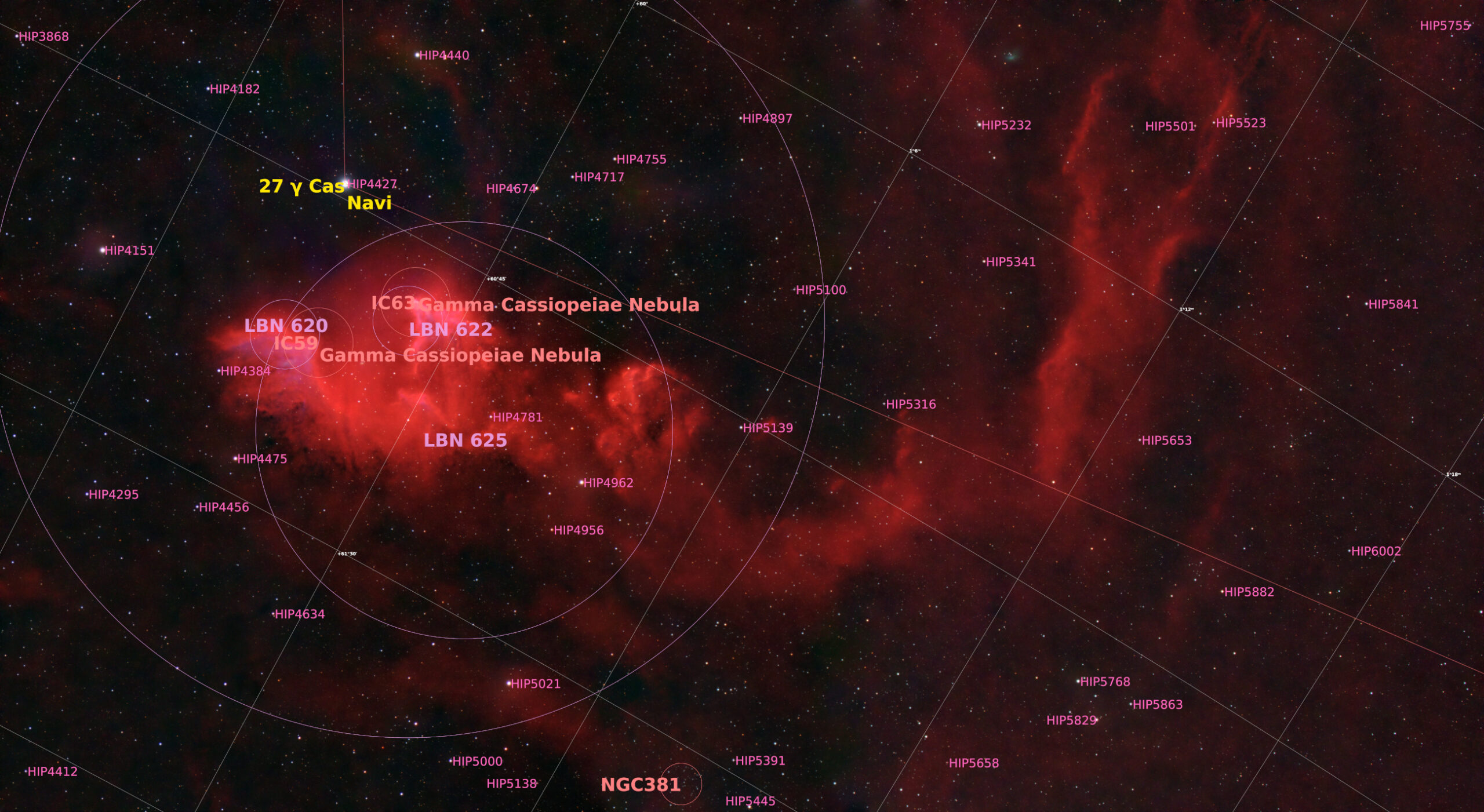
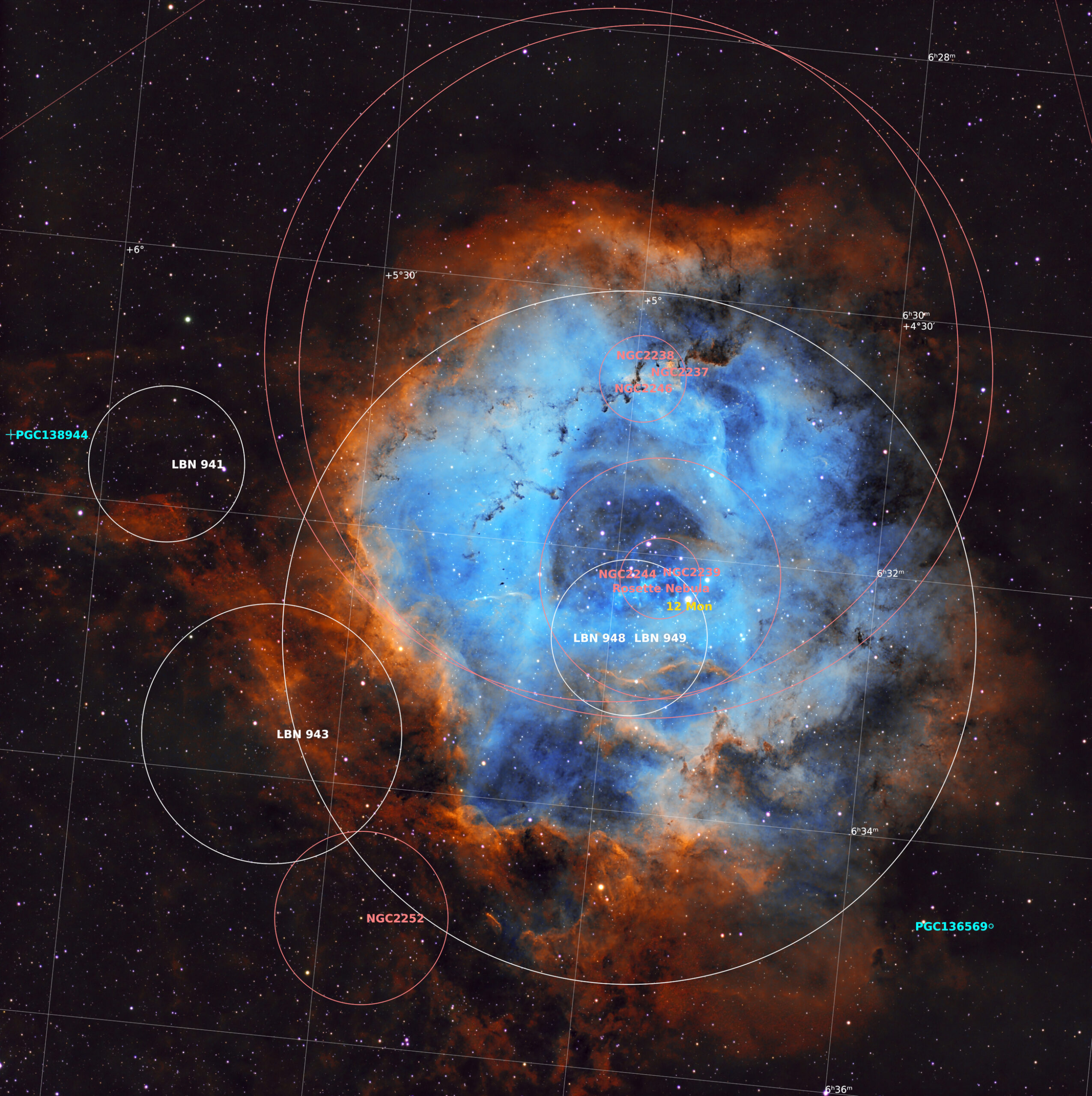
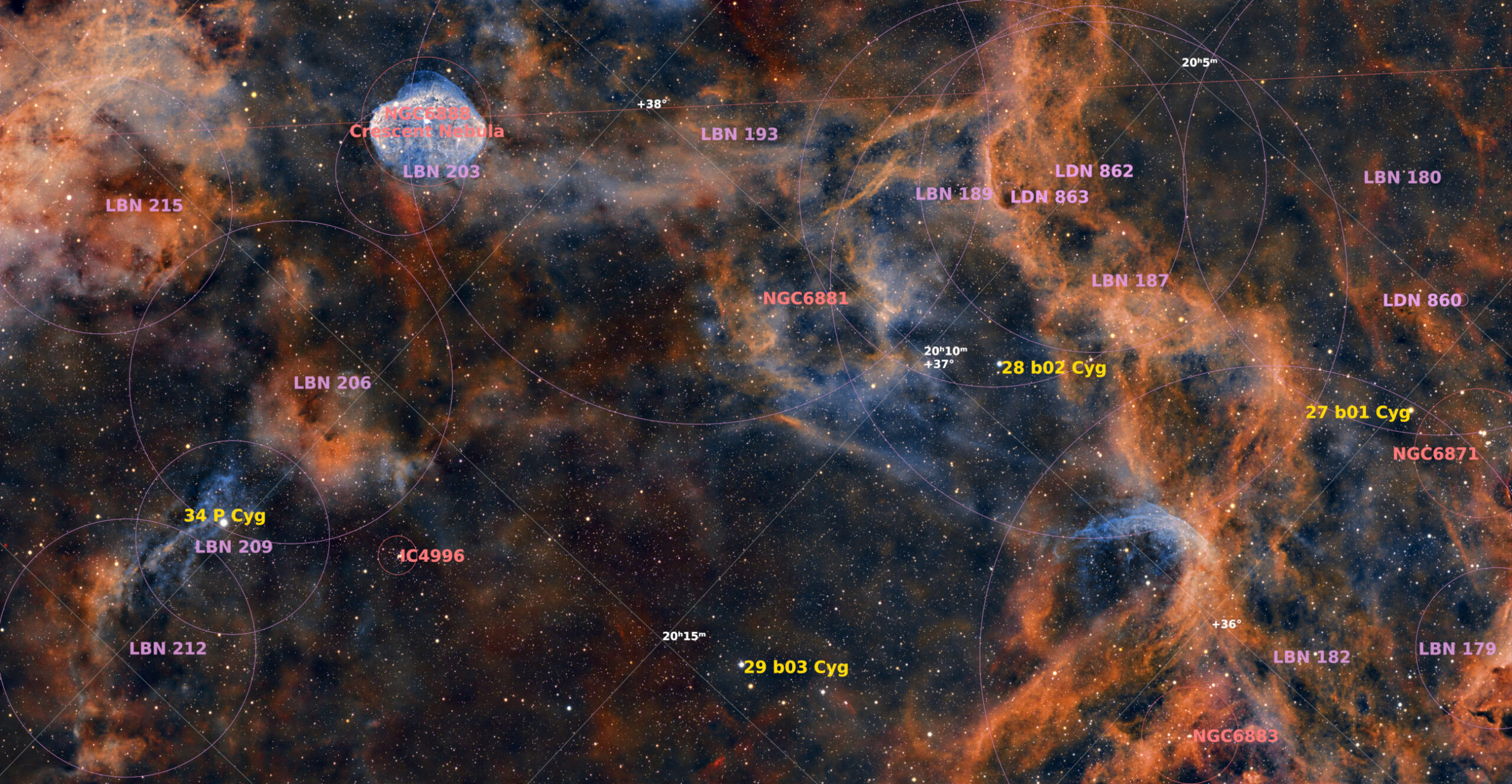
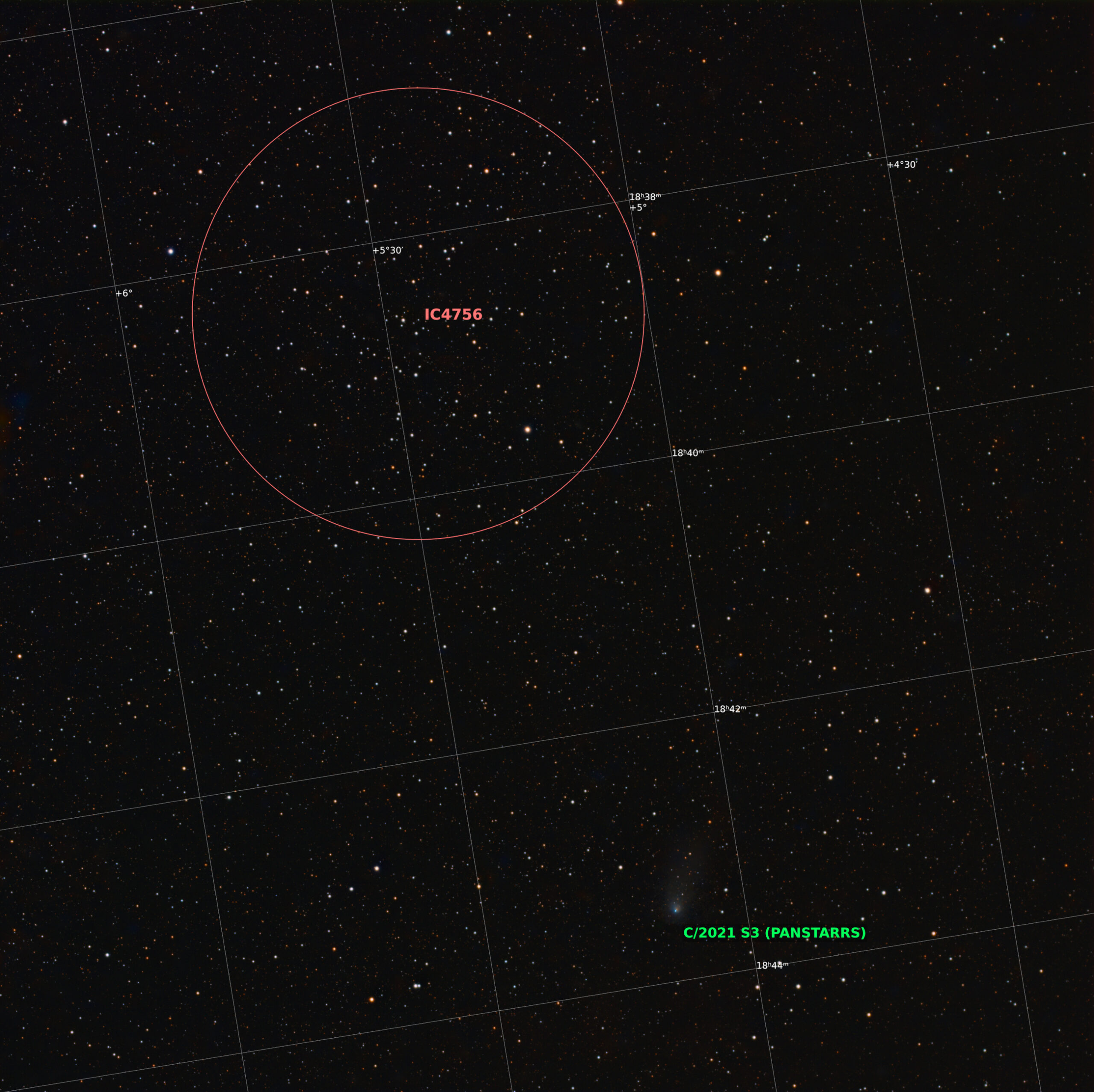
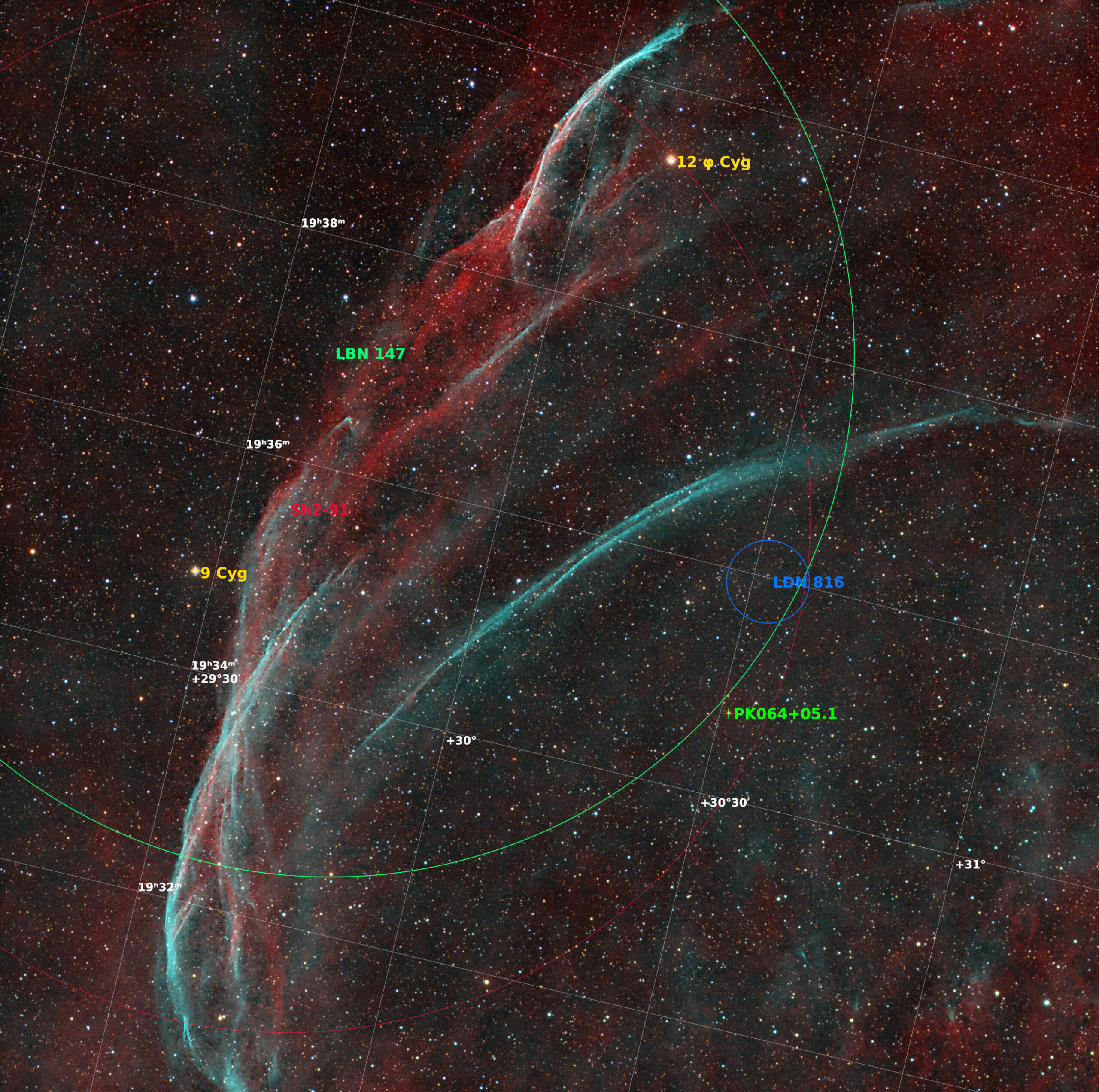
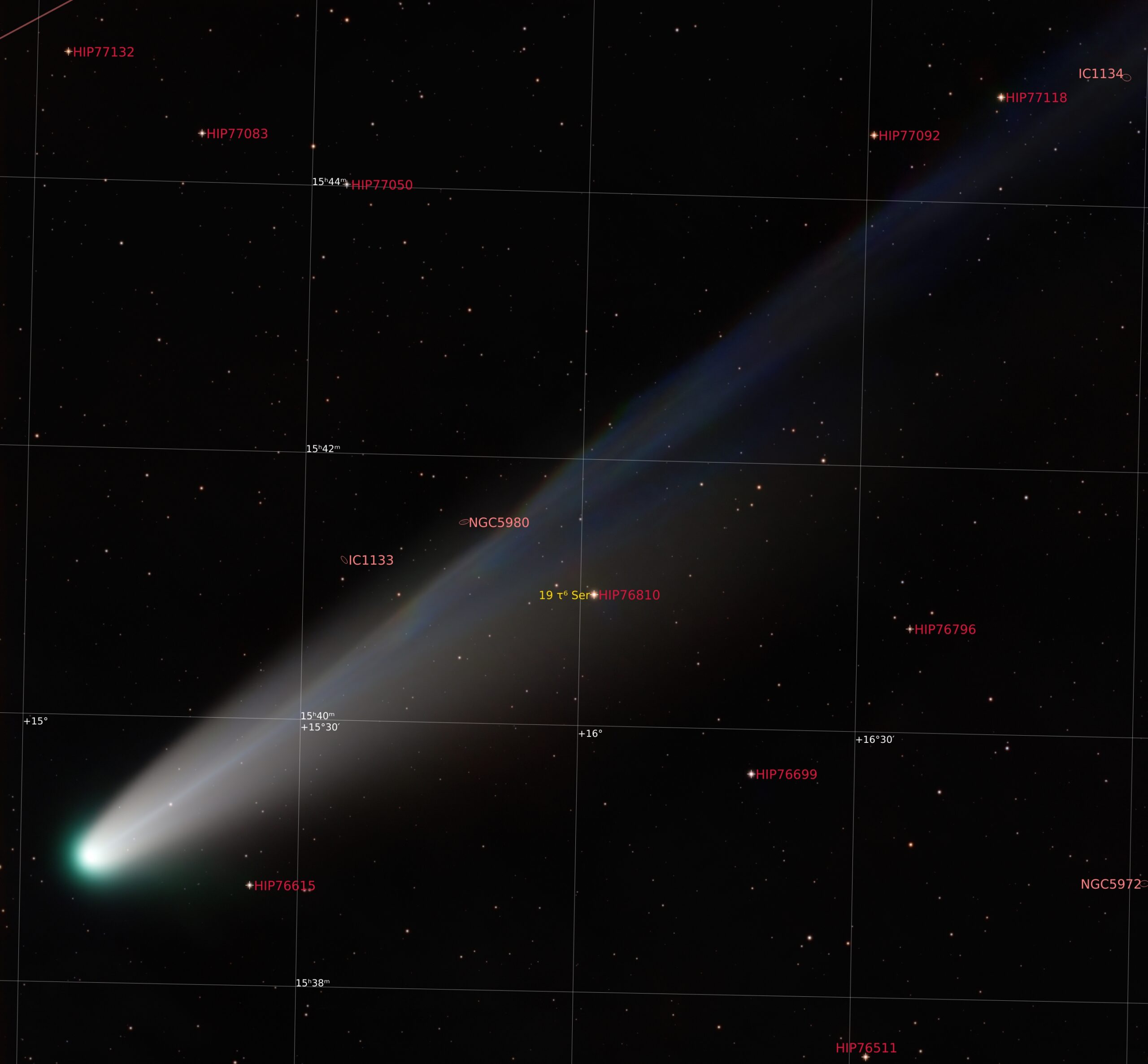
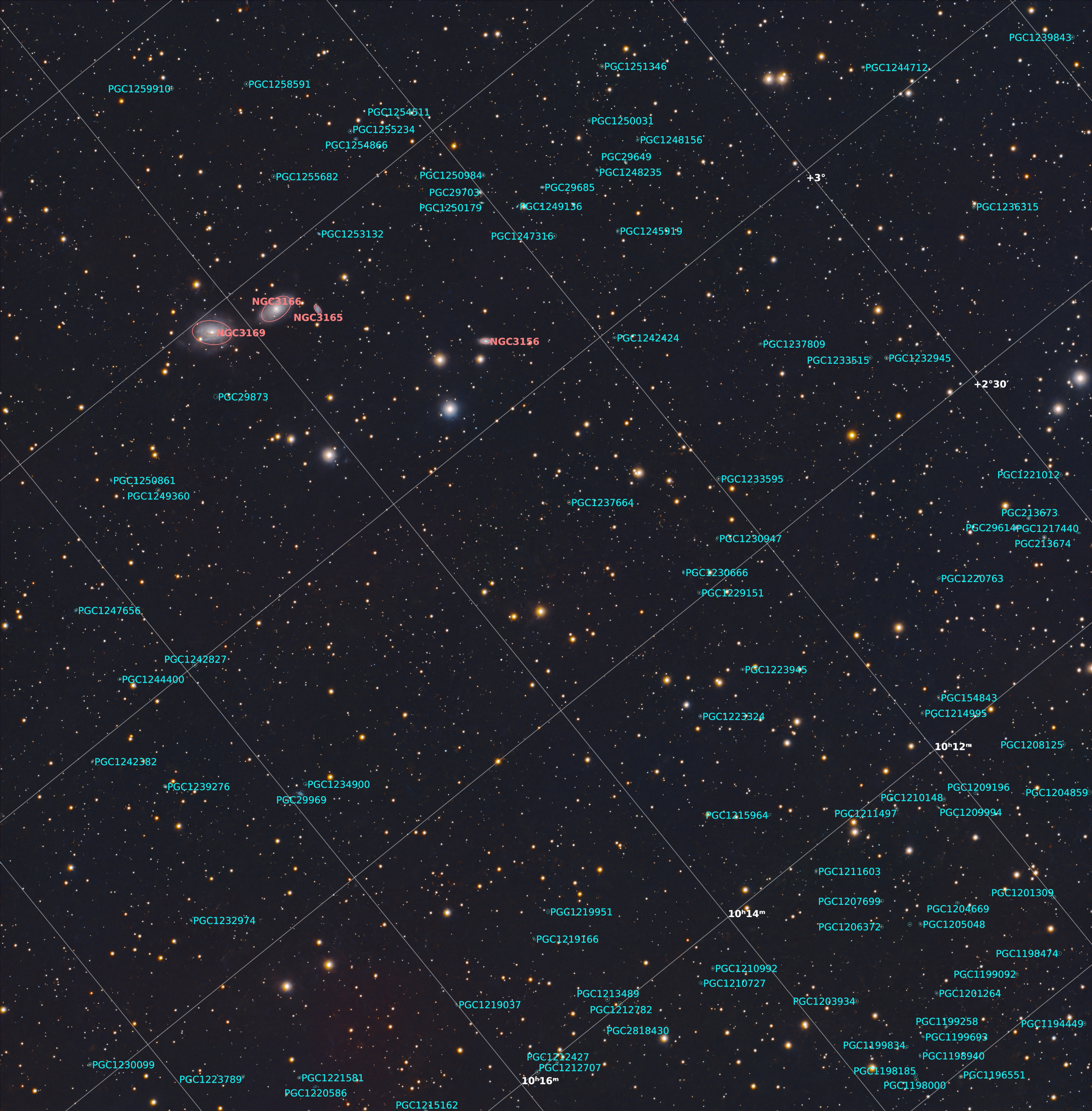
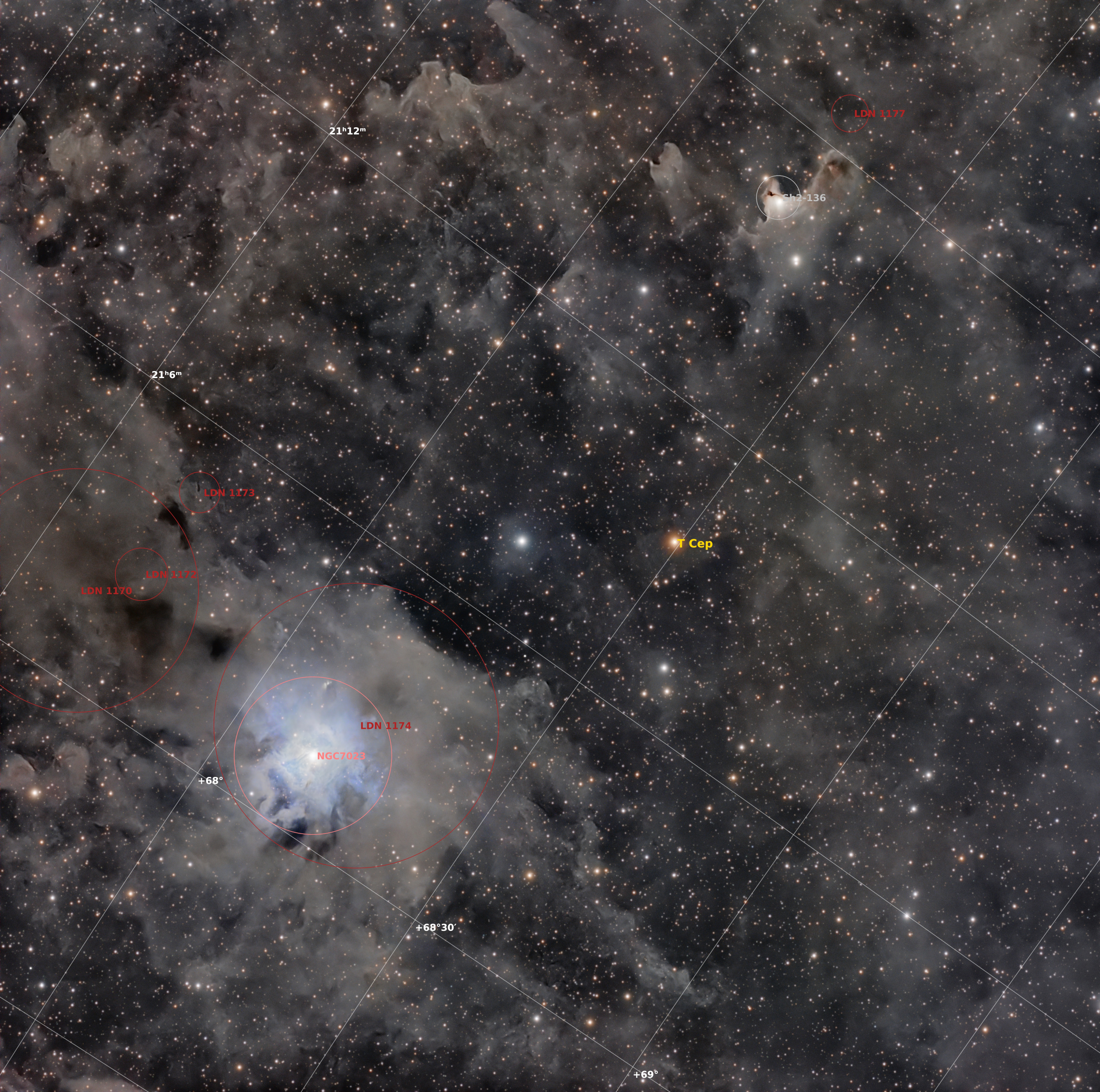
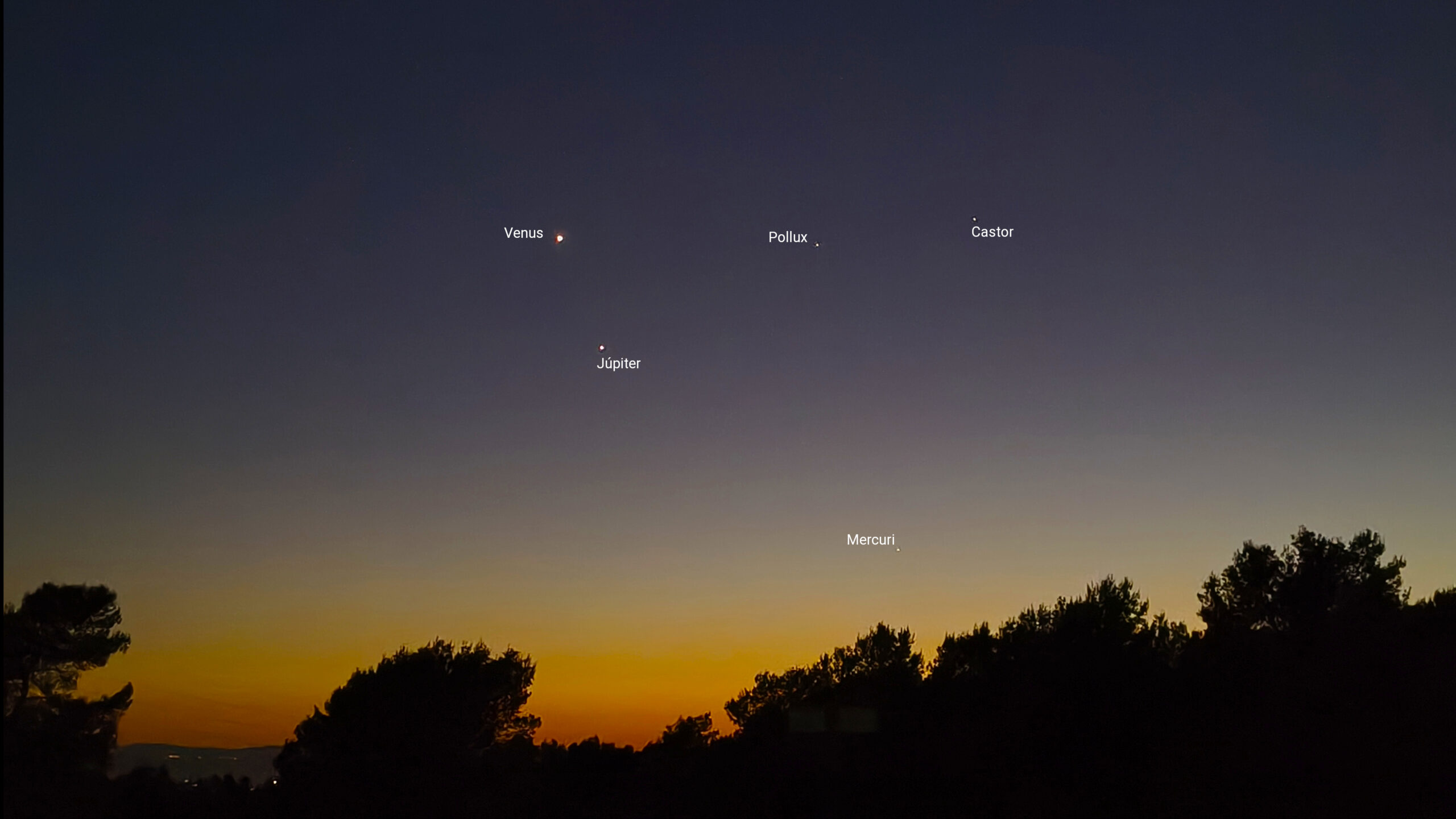
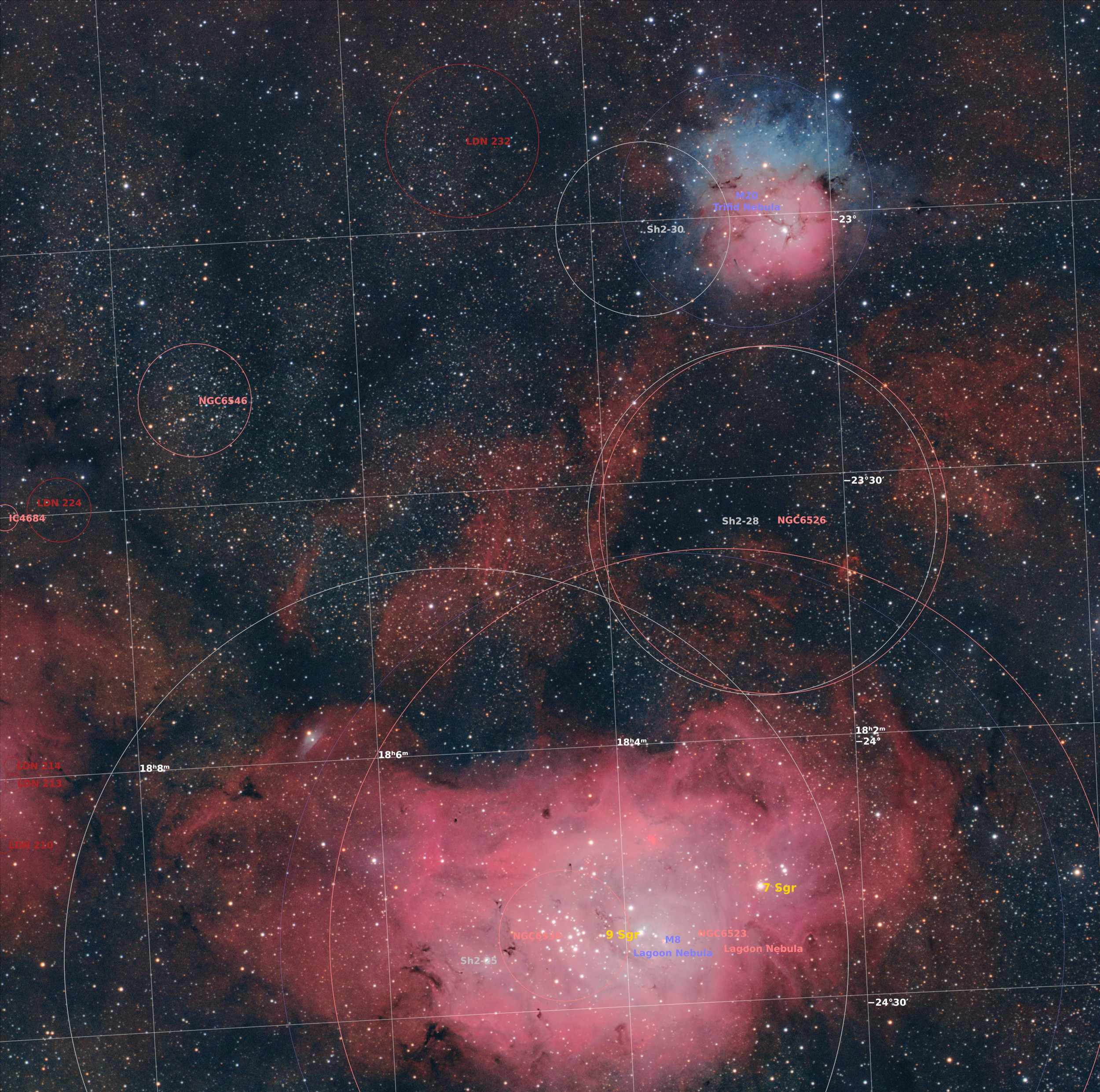
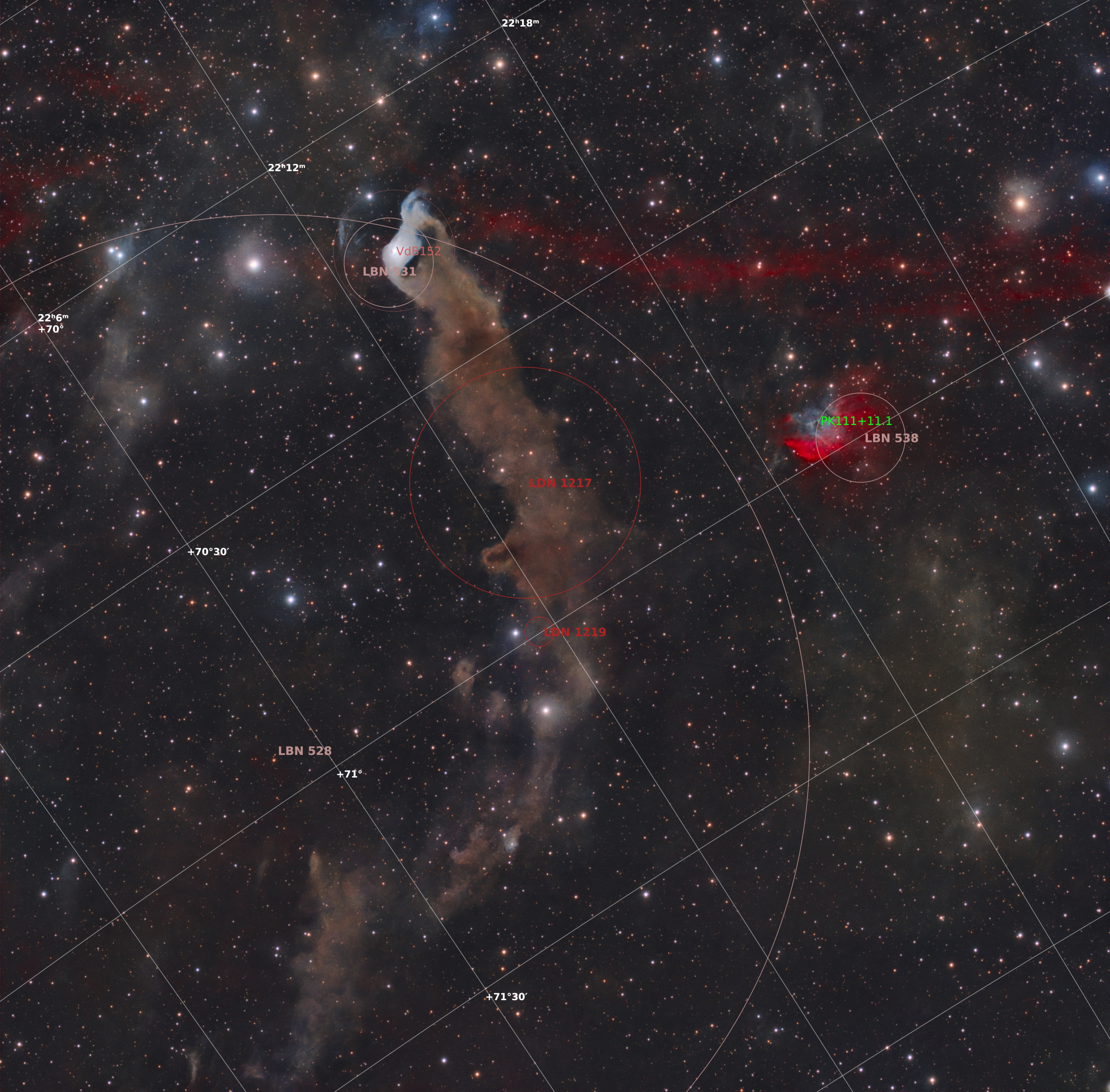
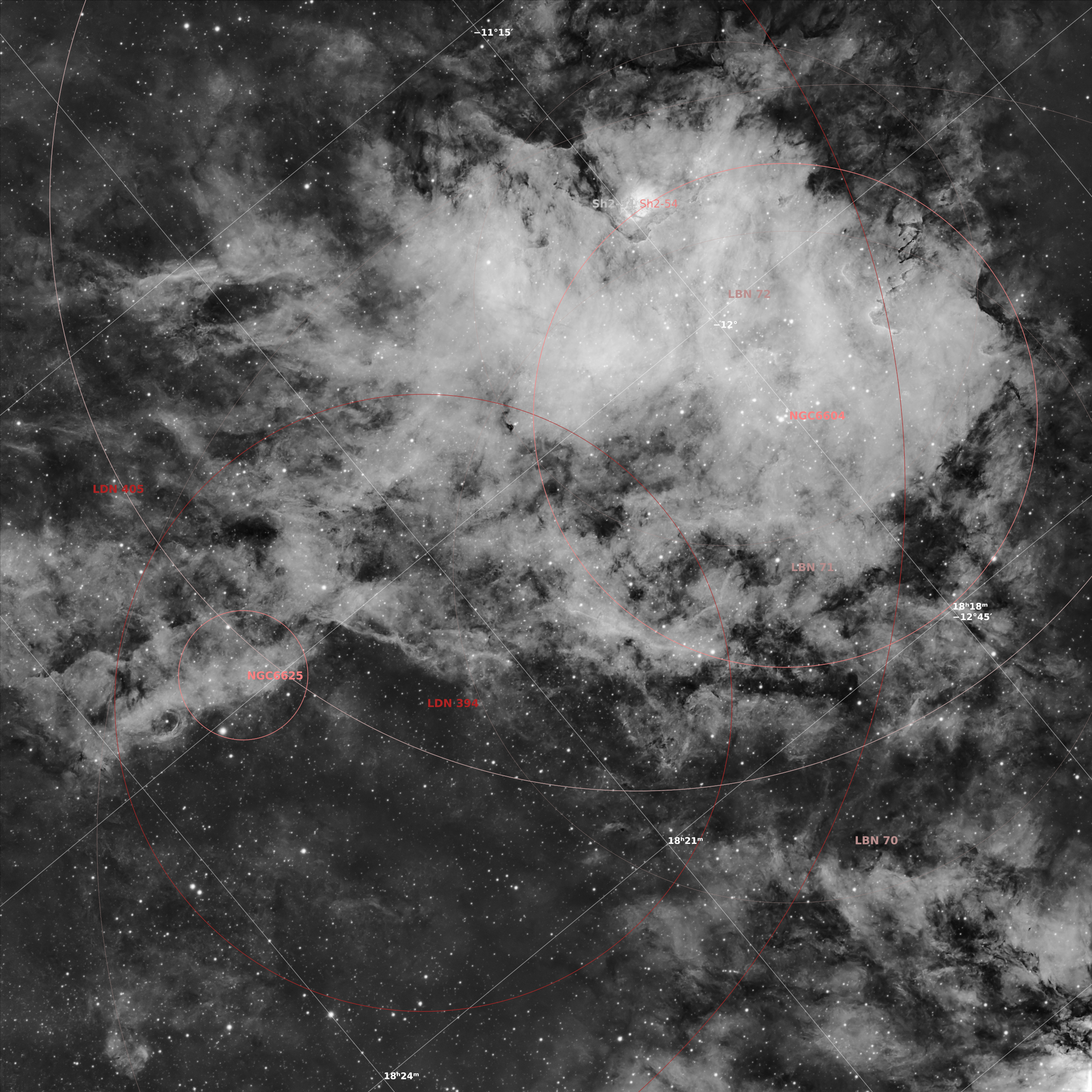
Often it's difficult to "see" a particular object in an astronomical photo, either because you don't know what it looks like or because there's more than one object in the same image. The best way to identify these objects is to "resolve the field" of the image. To do this, it's best to use specialized programs. In my case, I resolve the images with the same program I use for stacking and post-processing, PixInsight. Below you can see most of the previously resolved images. Click on them to view them in large size and read the different names of the objects shown.
The different colors of the names correspond to the different object catalogs used for identifying objects. You will see that some objects have more than one name. This means that that particular object is in more than one catalog.
The white straight lines mark the image's equatorial coordinates, and the blue straight line separates the different constellations. The names in yellow indicate the main stars, both by their common name and their scientific name; in purple are the objects according to the Messier catalog, in pink according to the NGC-IC catalog, in white the reflection nebulae according to the Van den Bergh (VdB) catalog, the catalog of emission nebulae (also known as amorphous nebulae or Sharpless (Sh)) and the Barnard catalog of dark objects, in orange the stars according to the Hipparcos catalogue and in bluish green the dark and bright nebulae according to the Lynd's catalog.


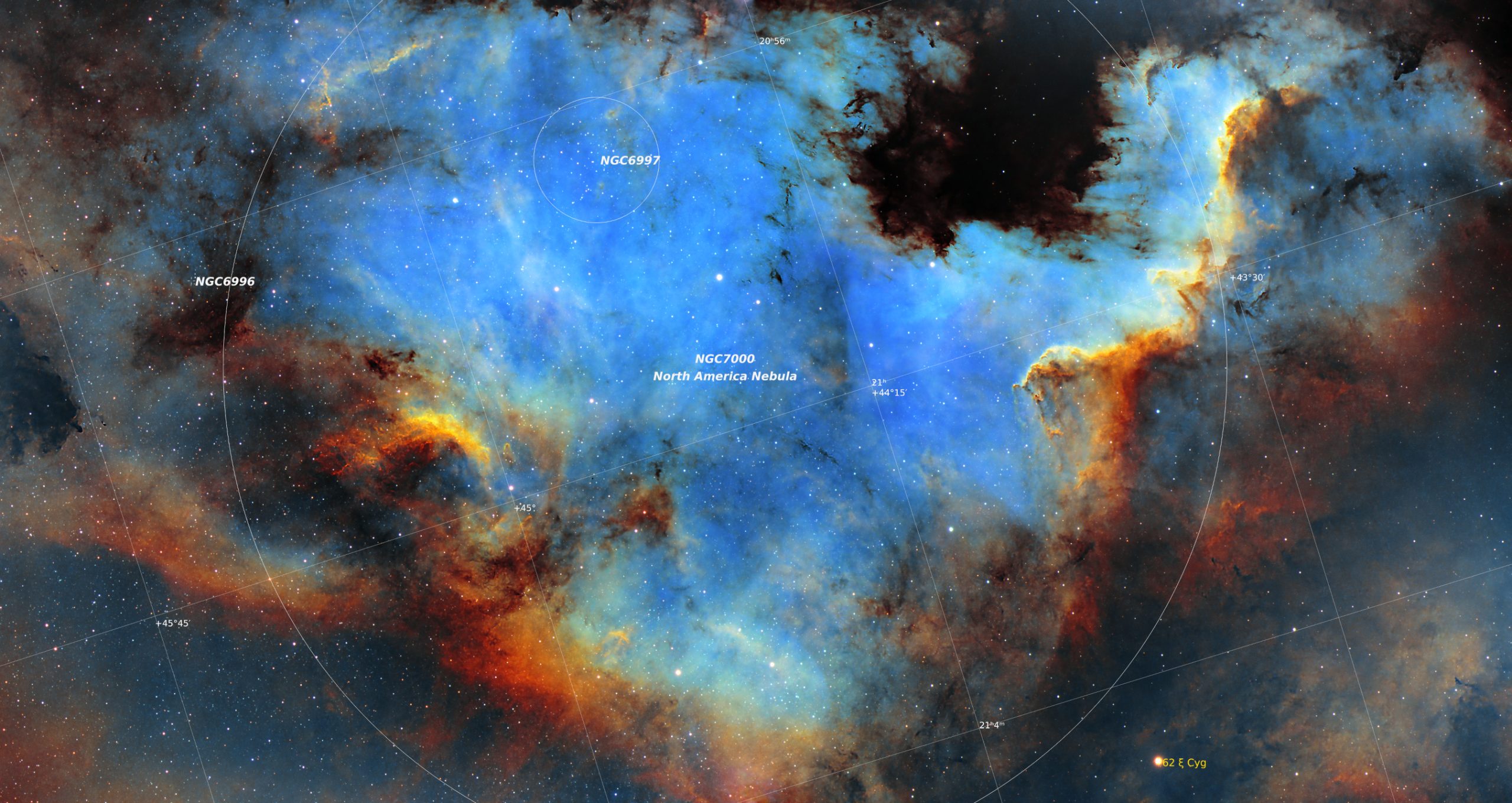
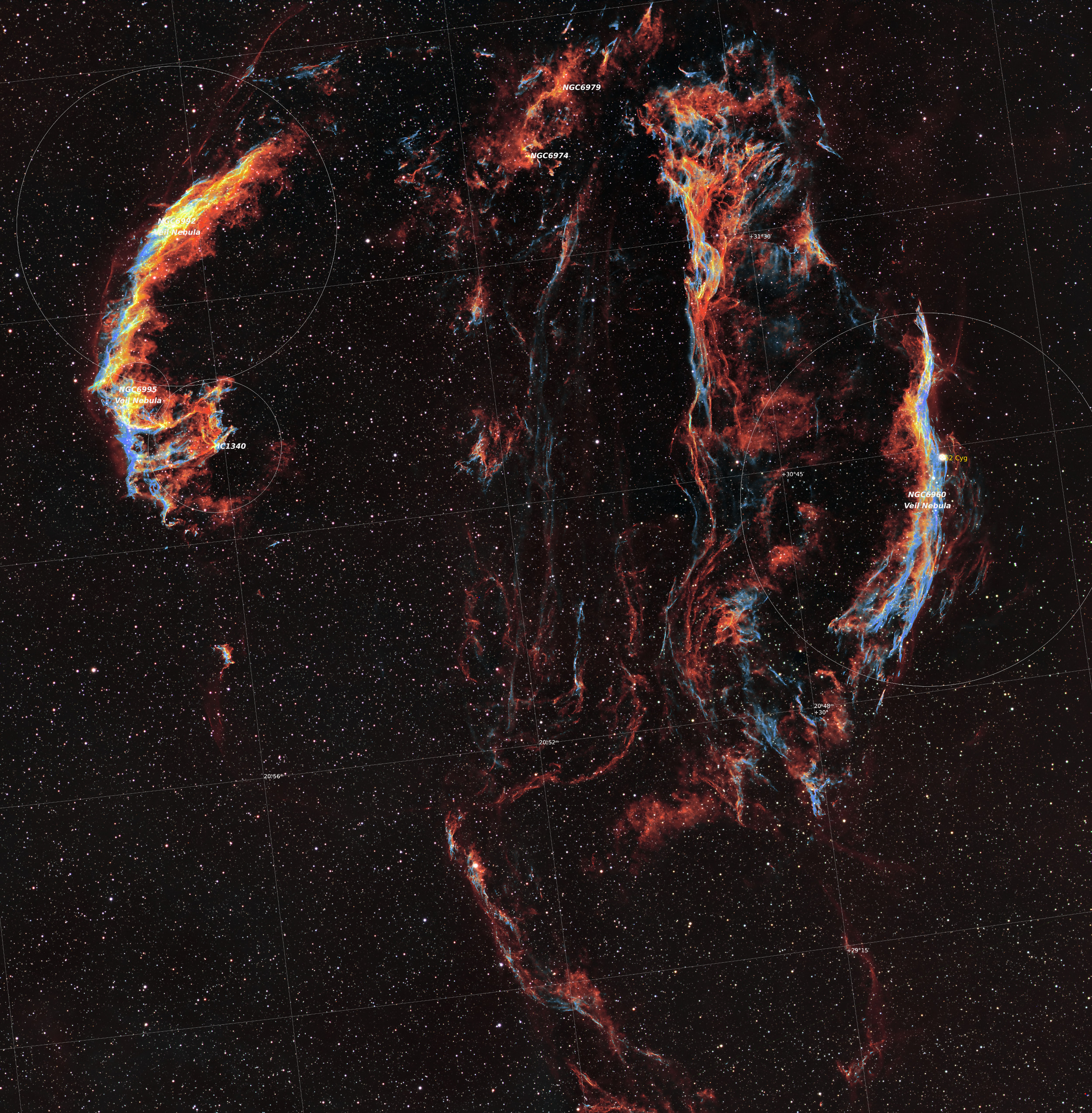
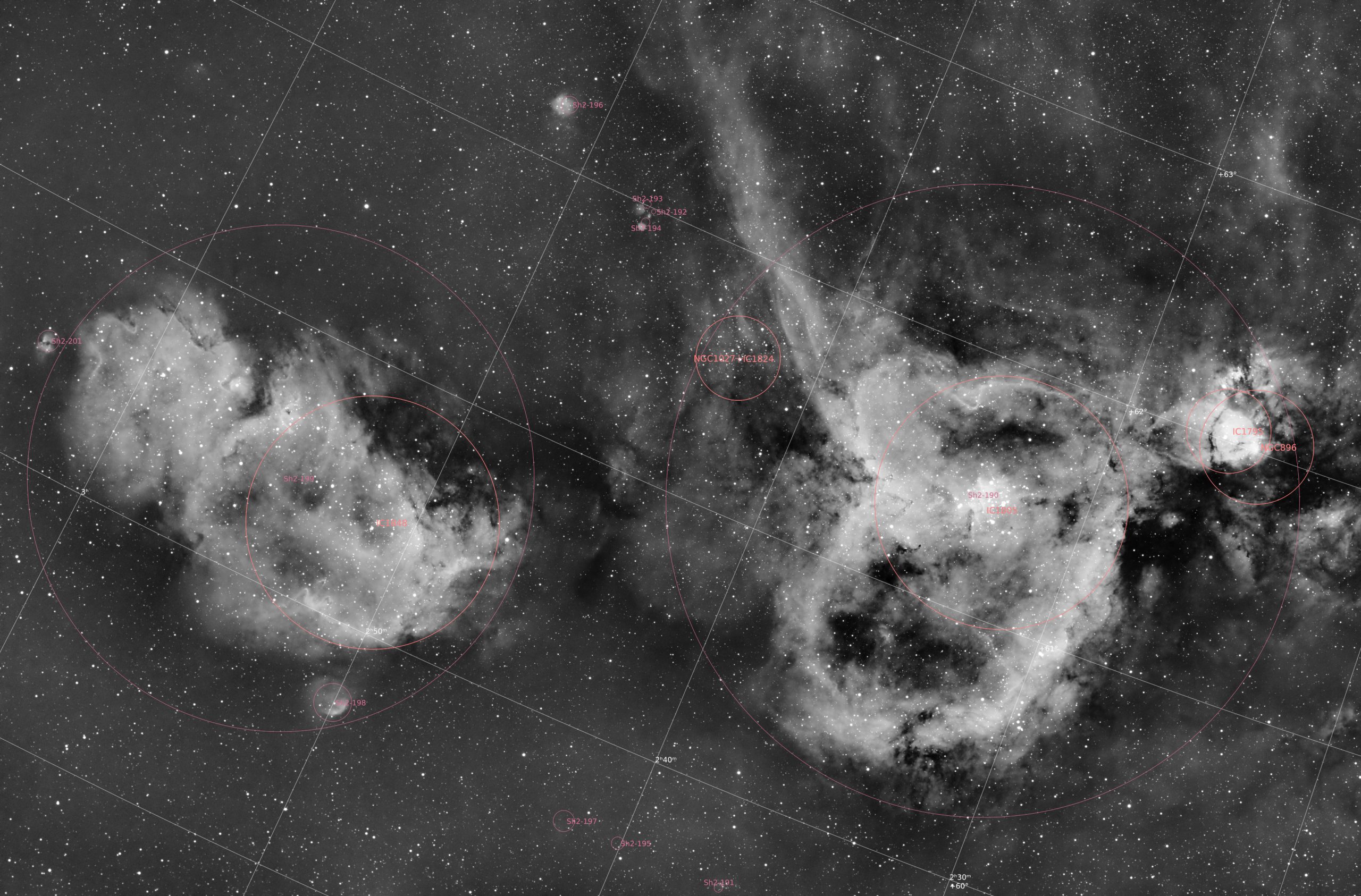
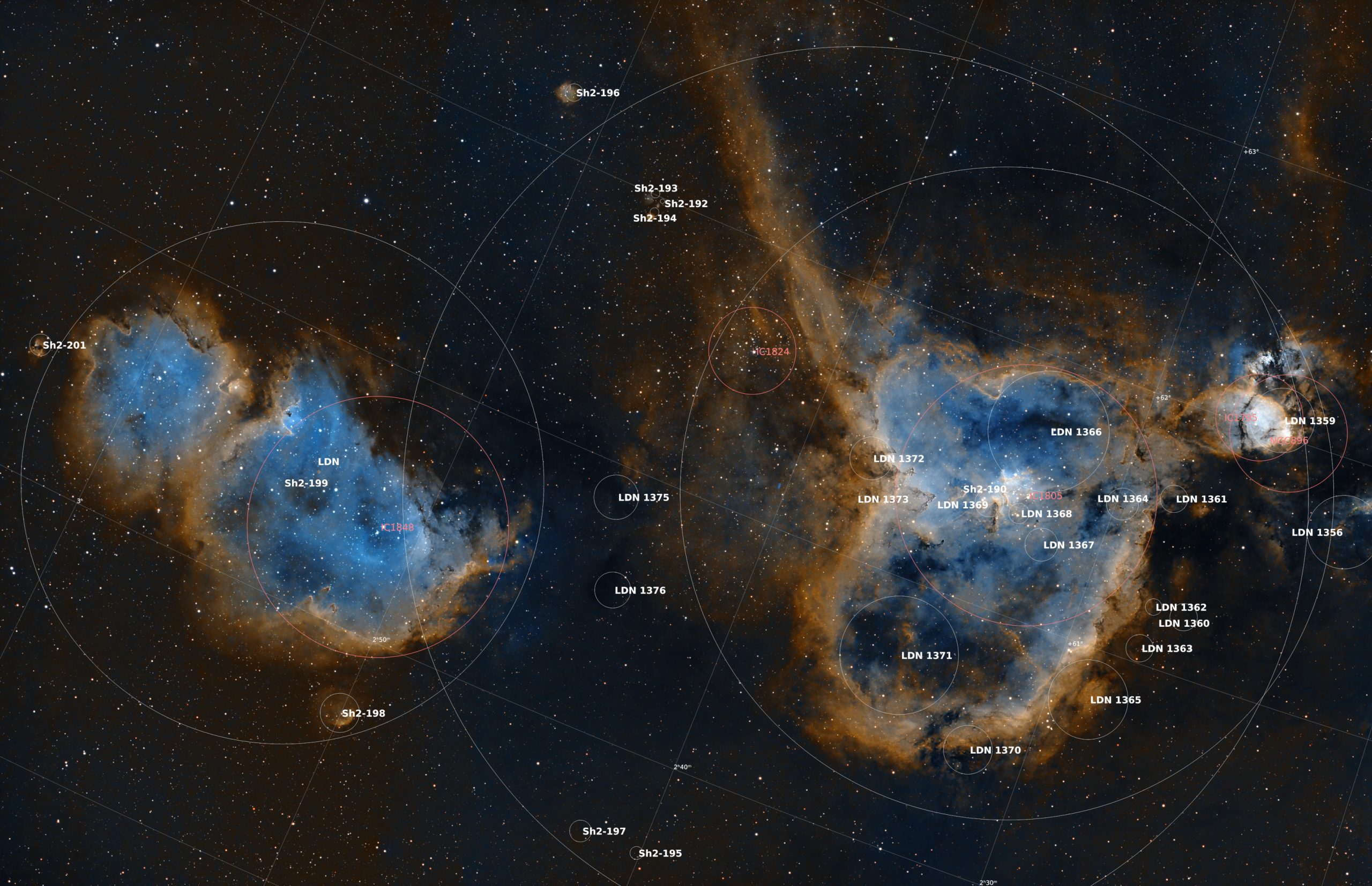
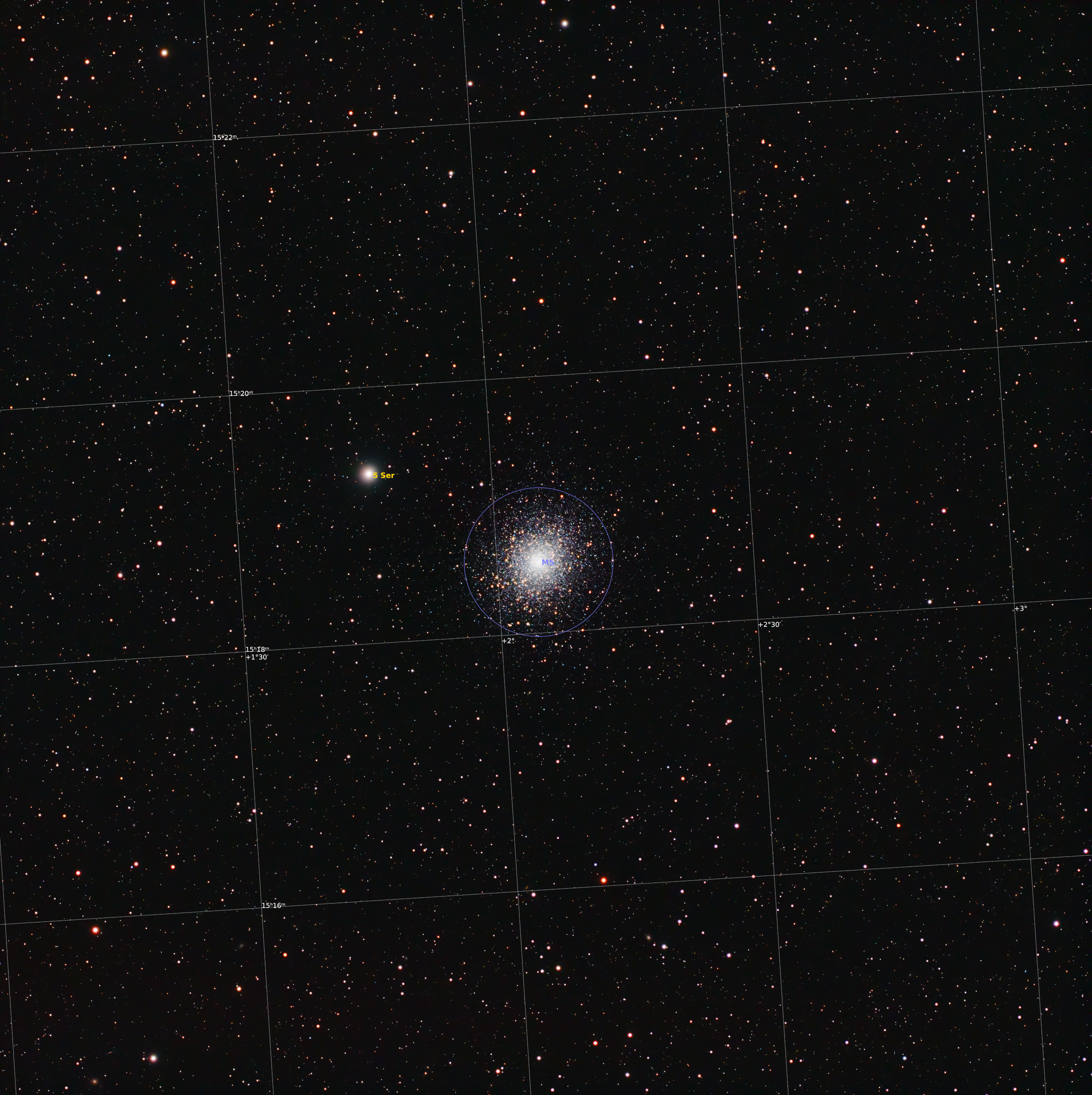
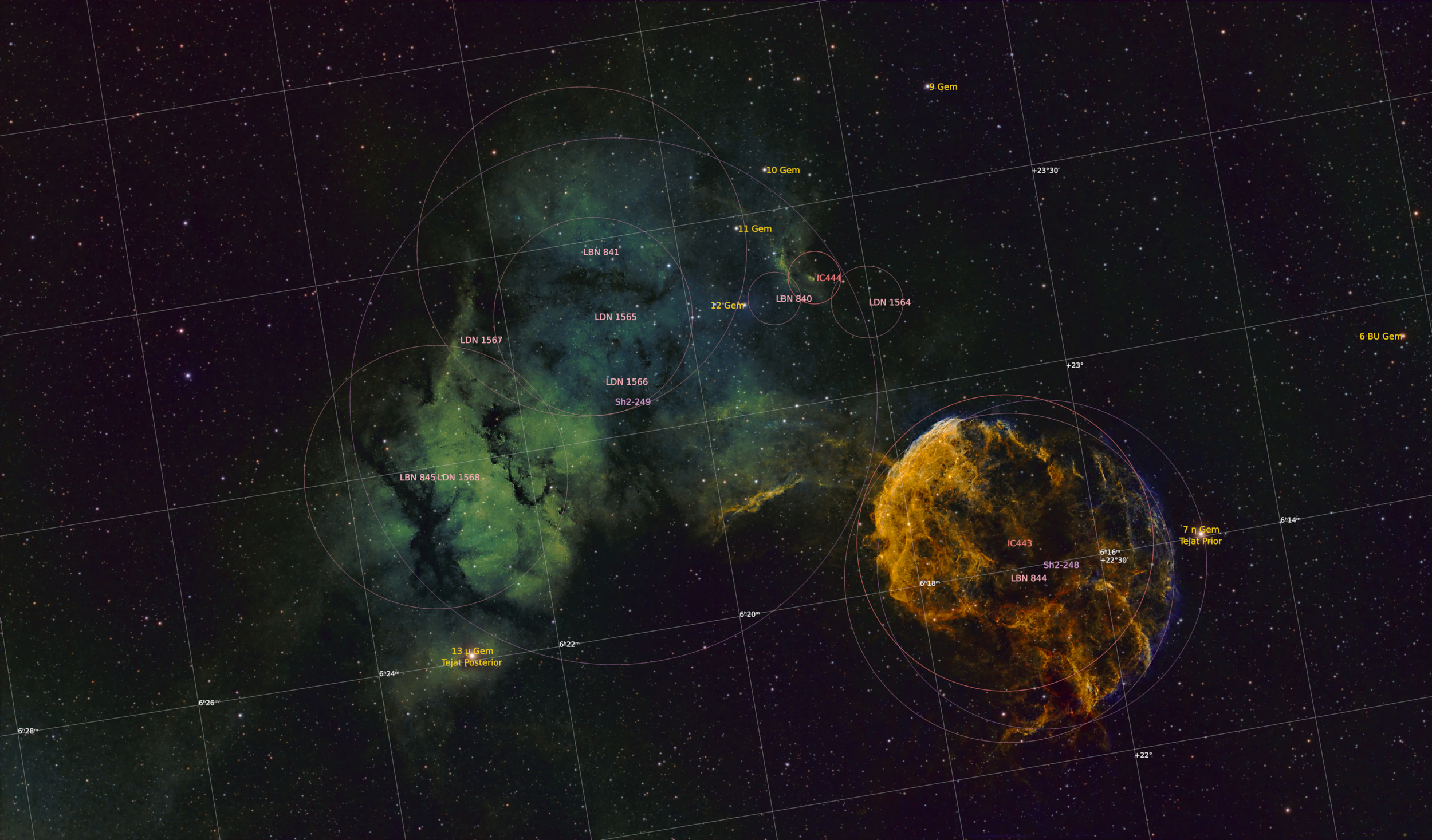
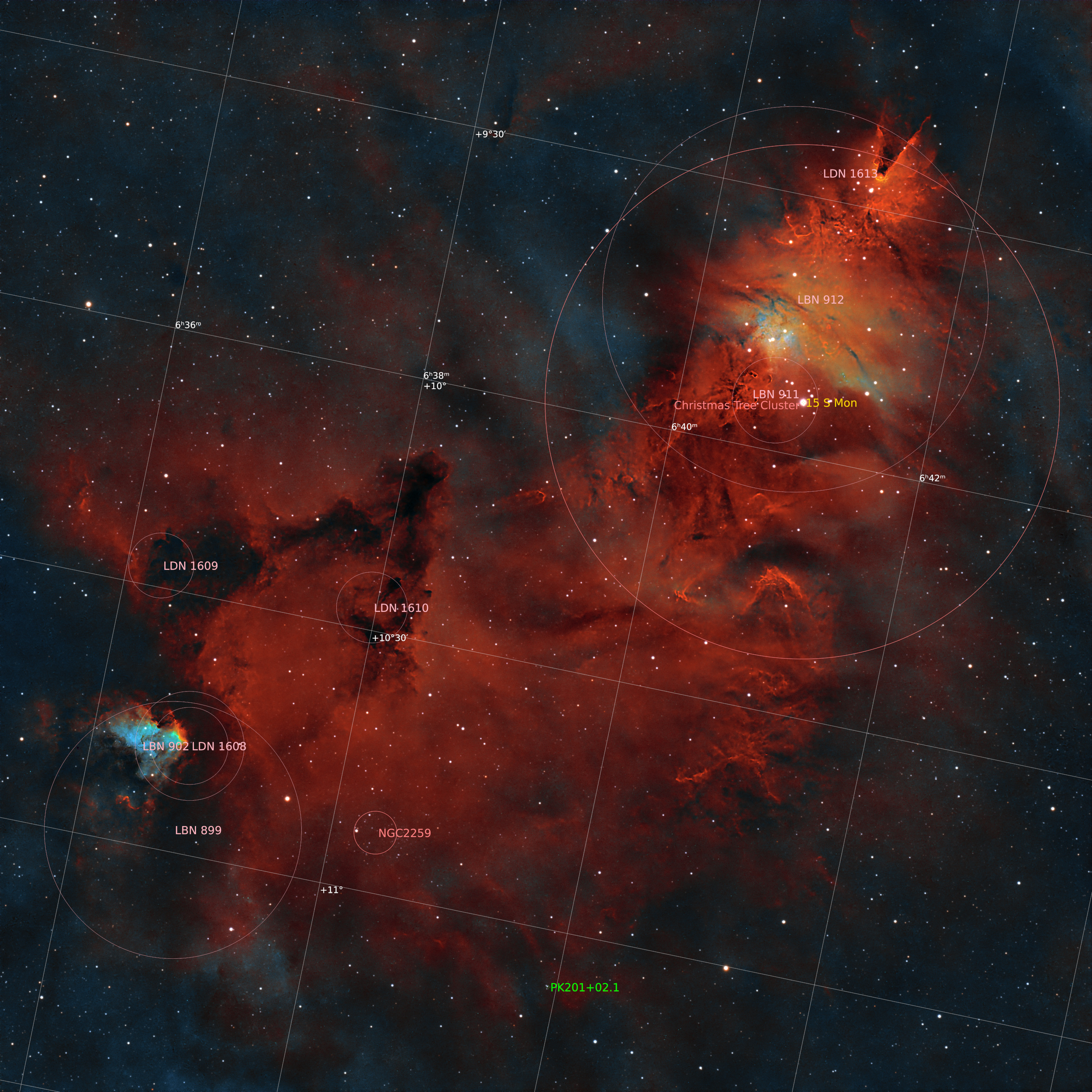
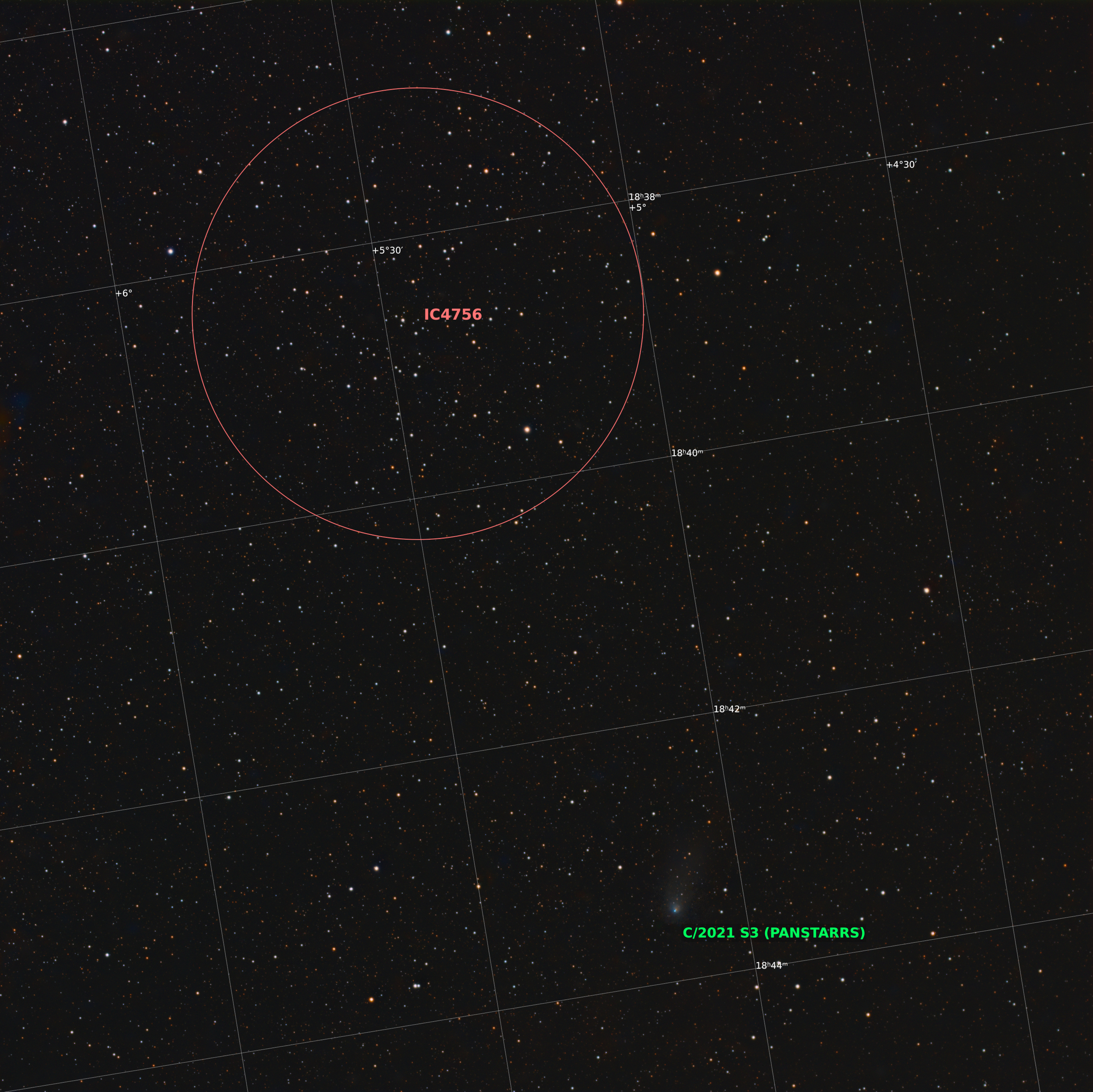
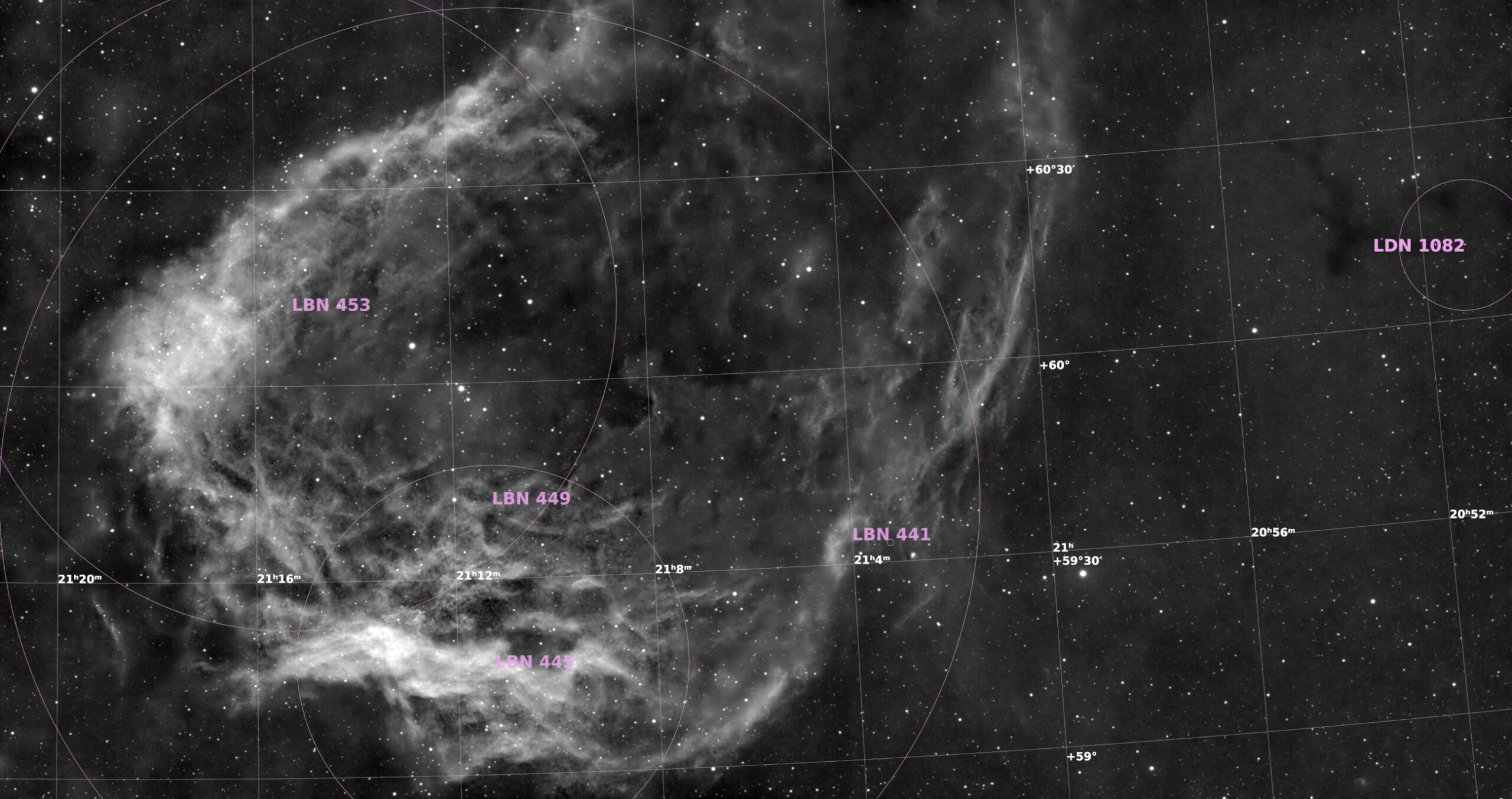
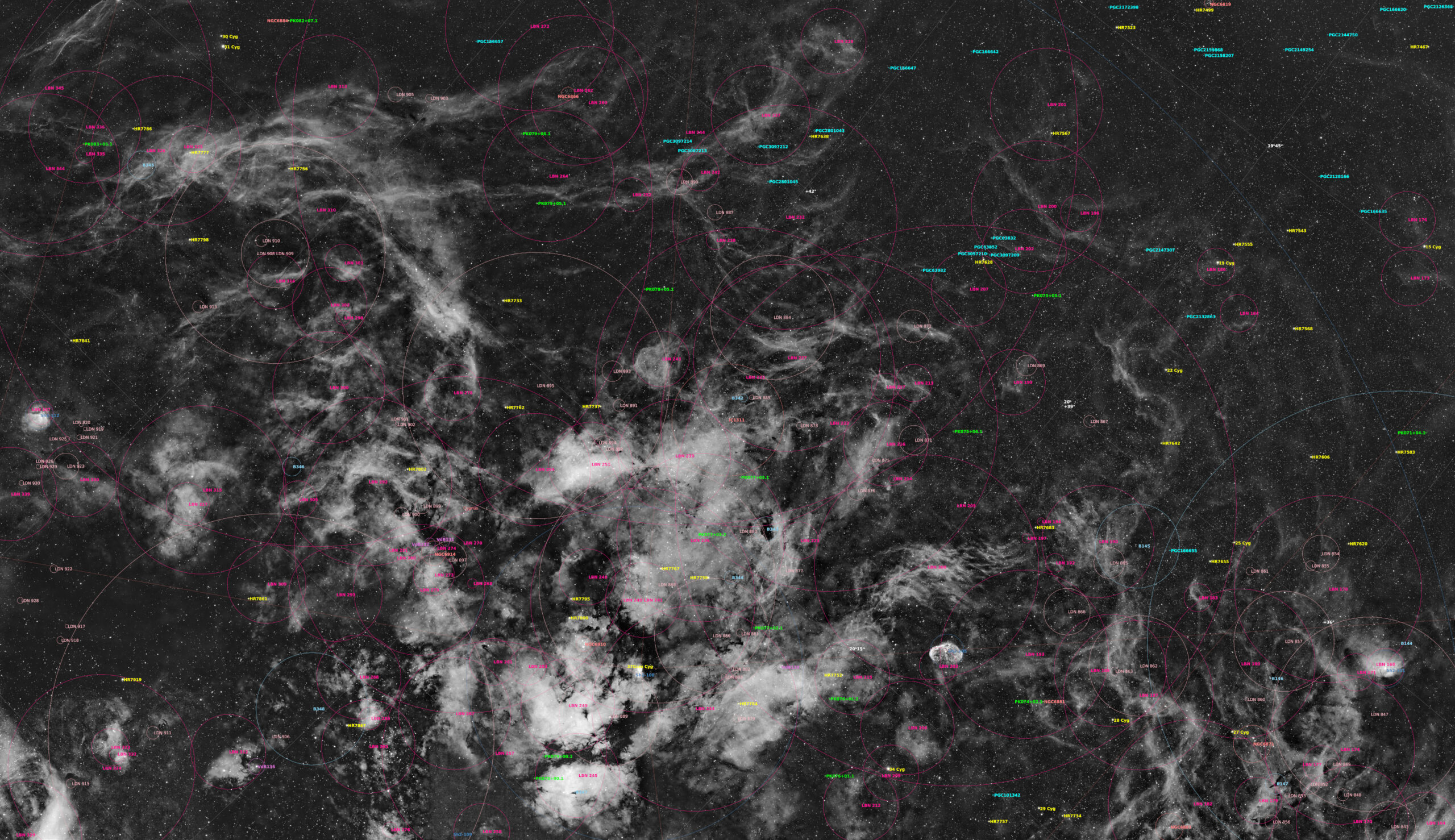
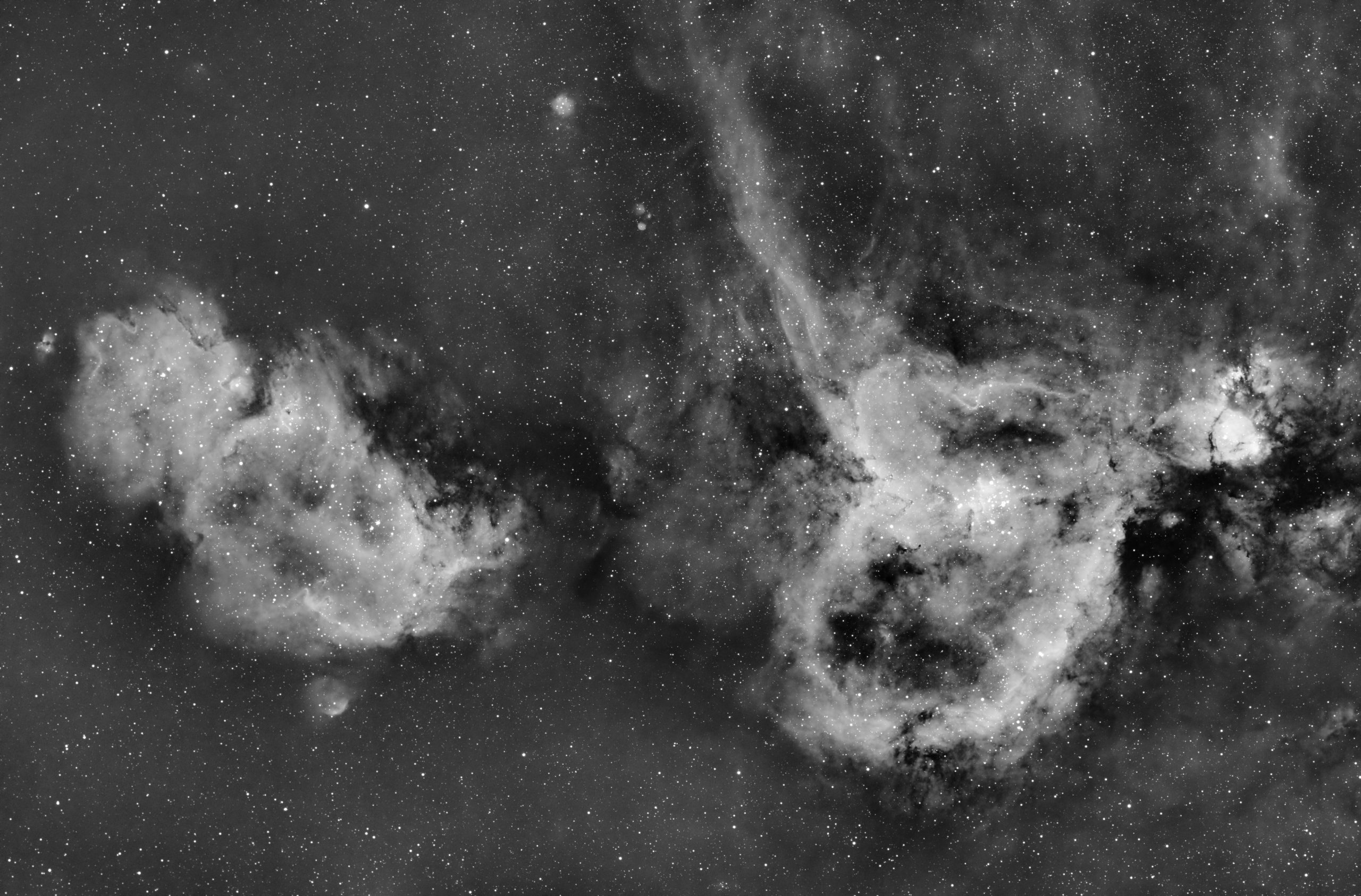
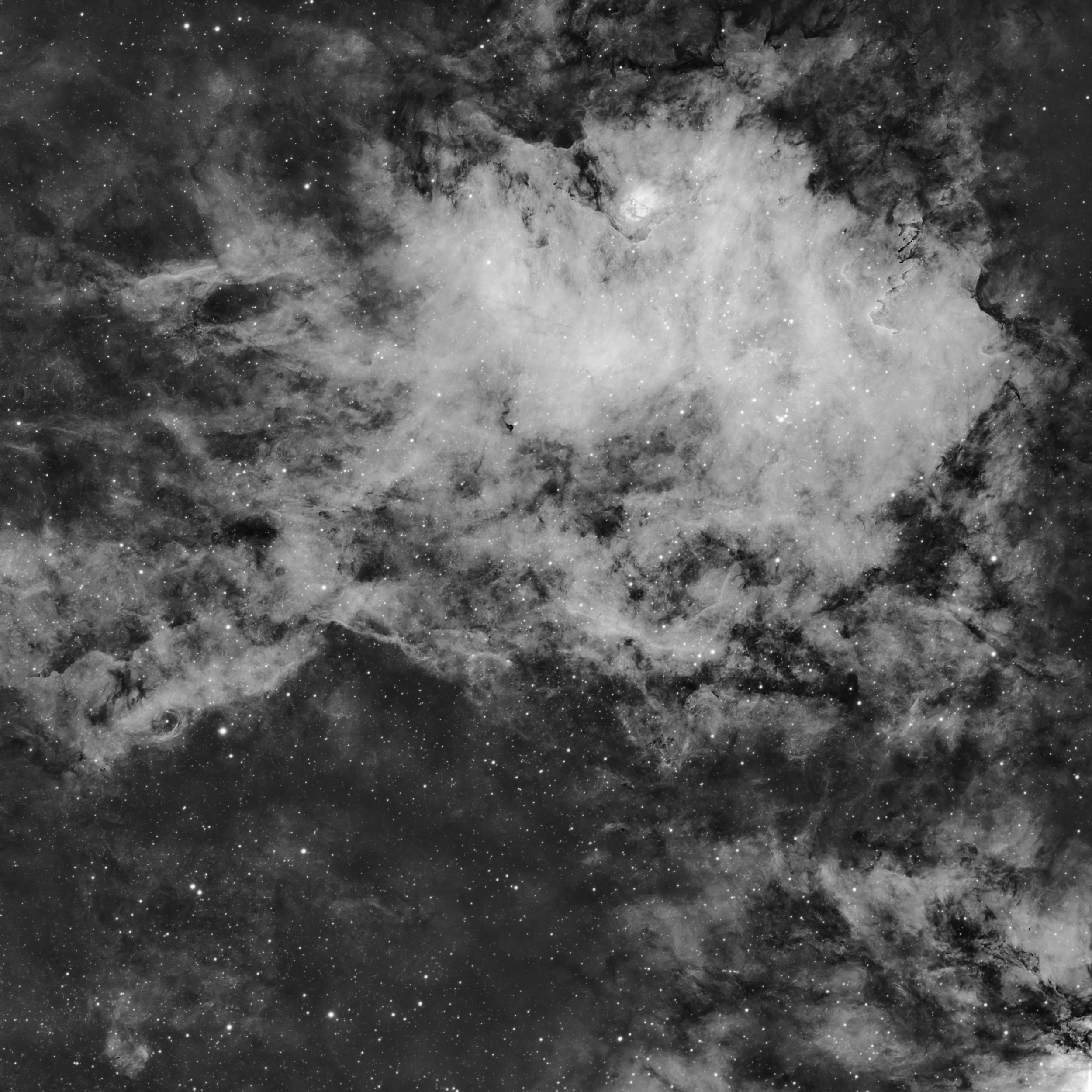
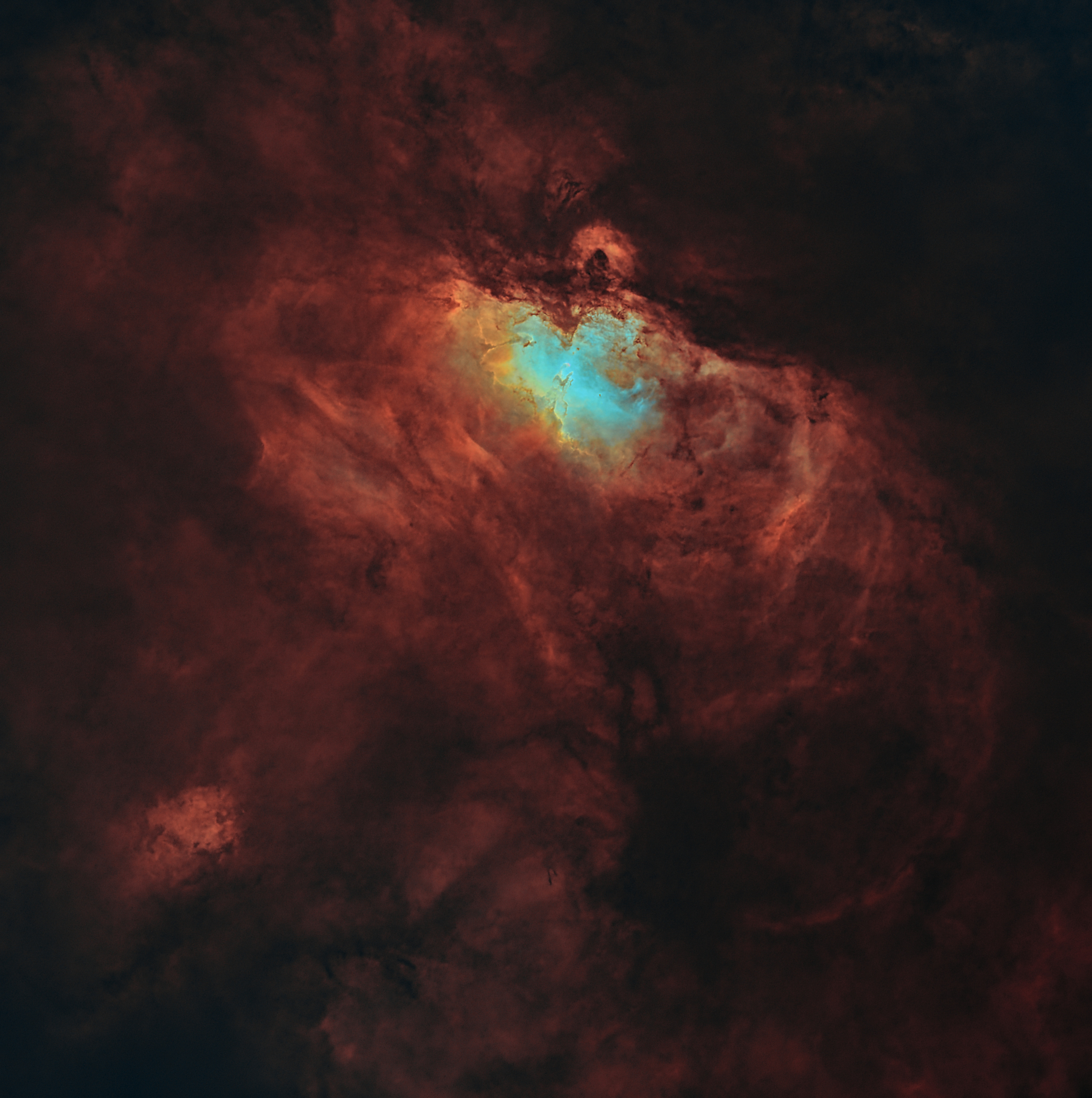
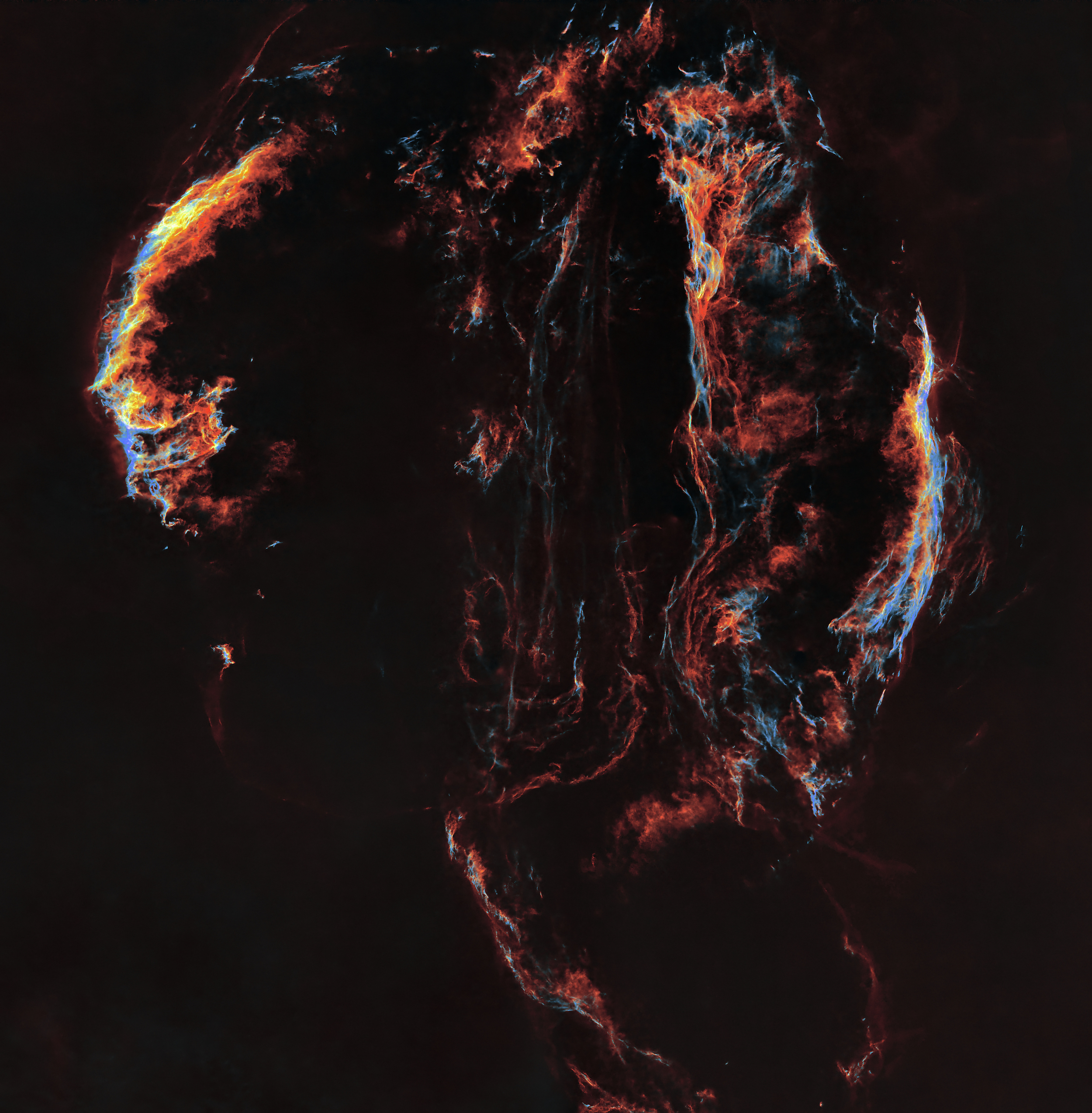
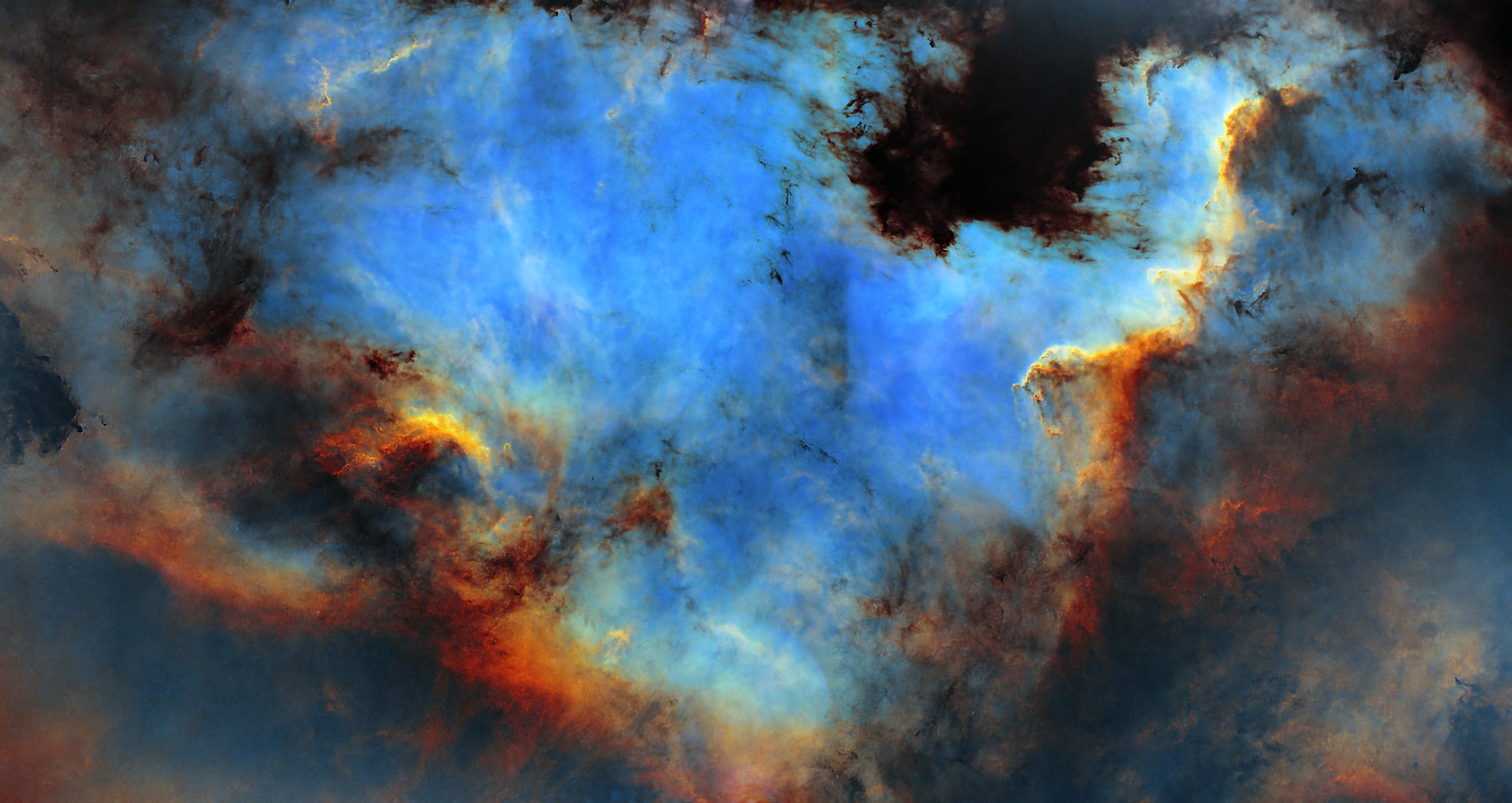
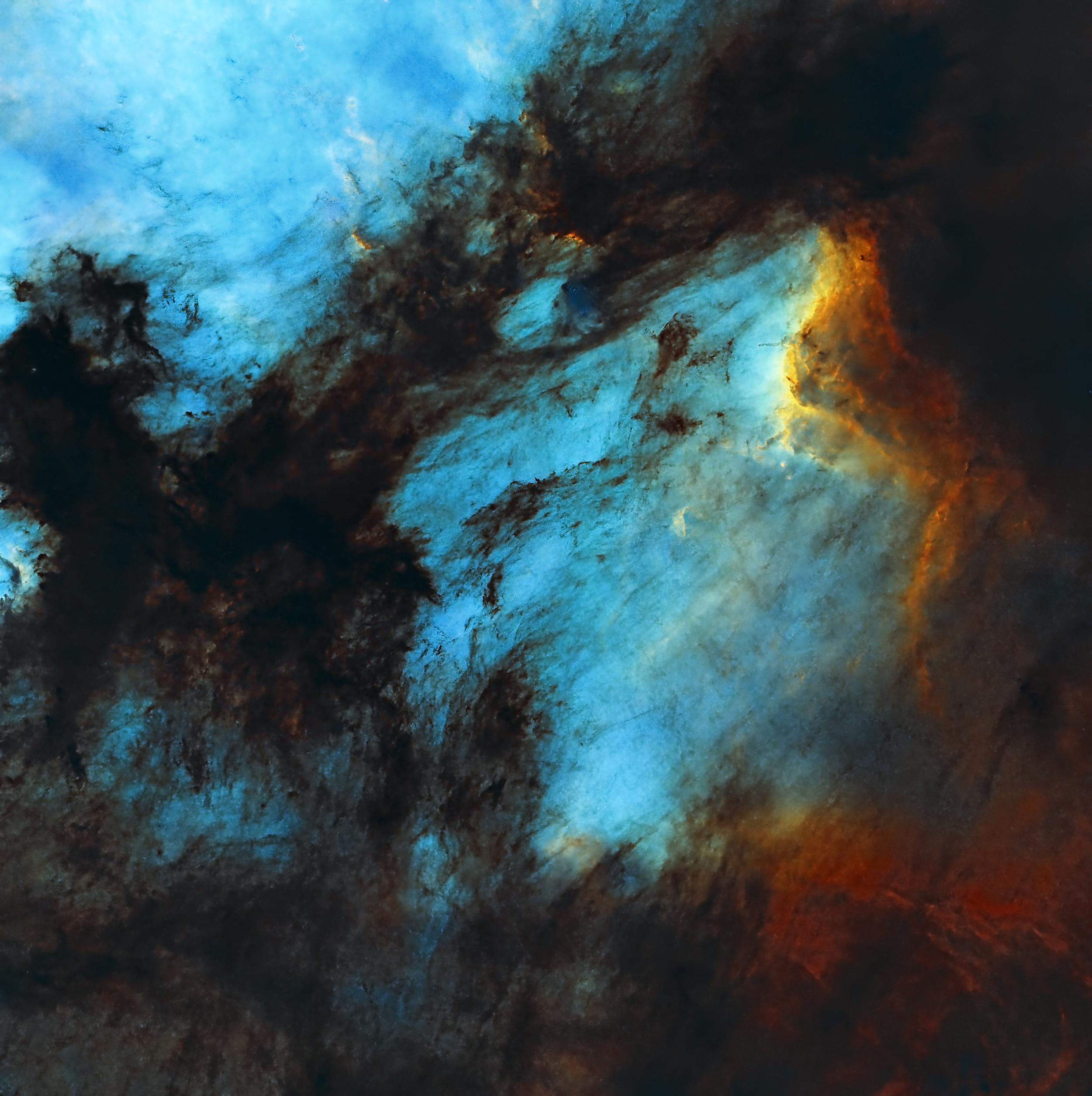
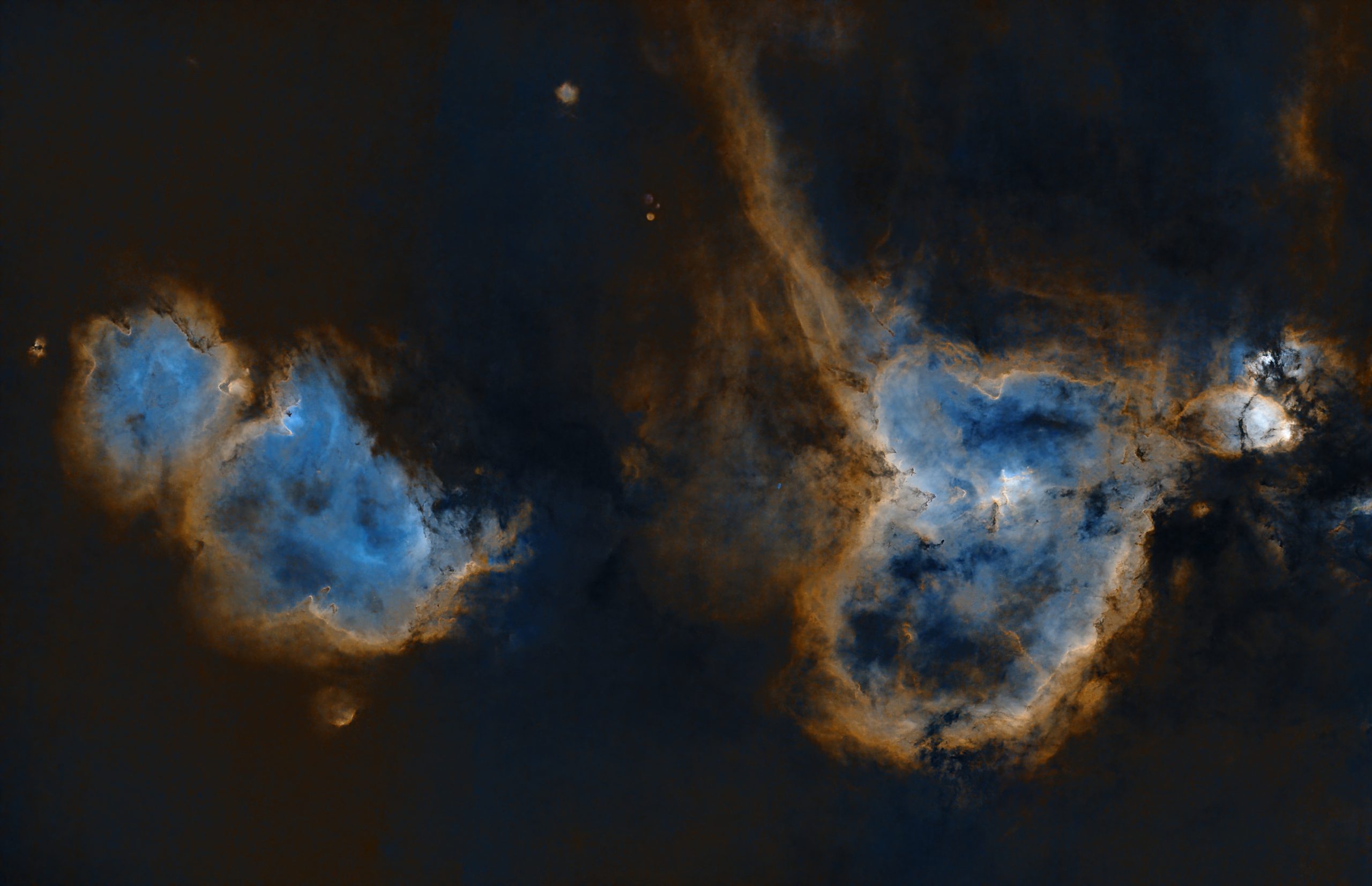
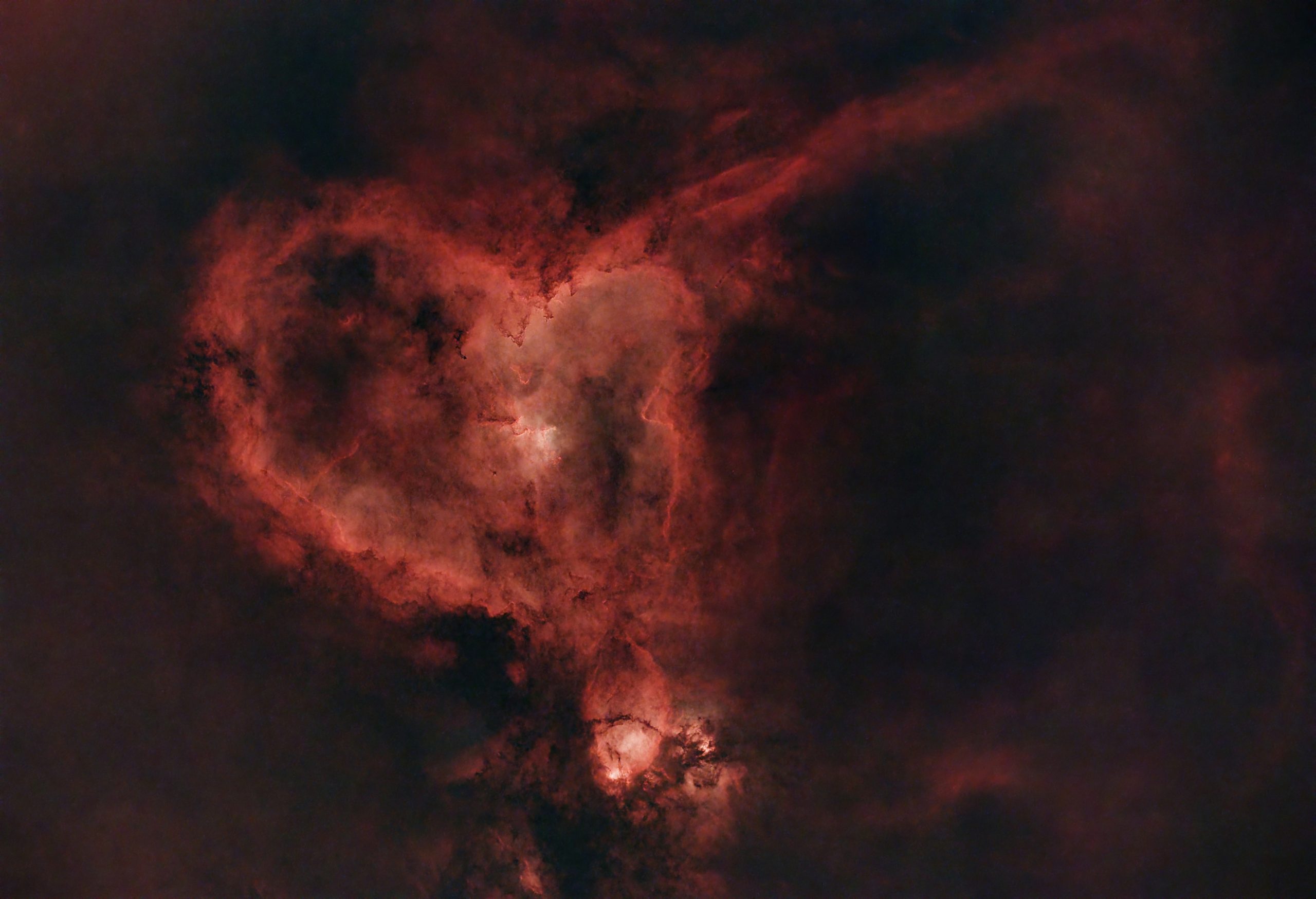
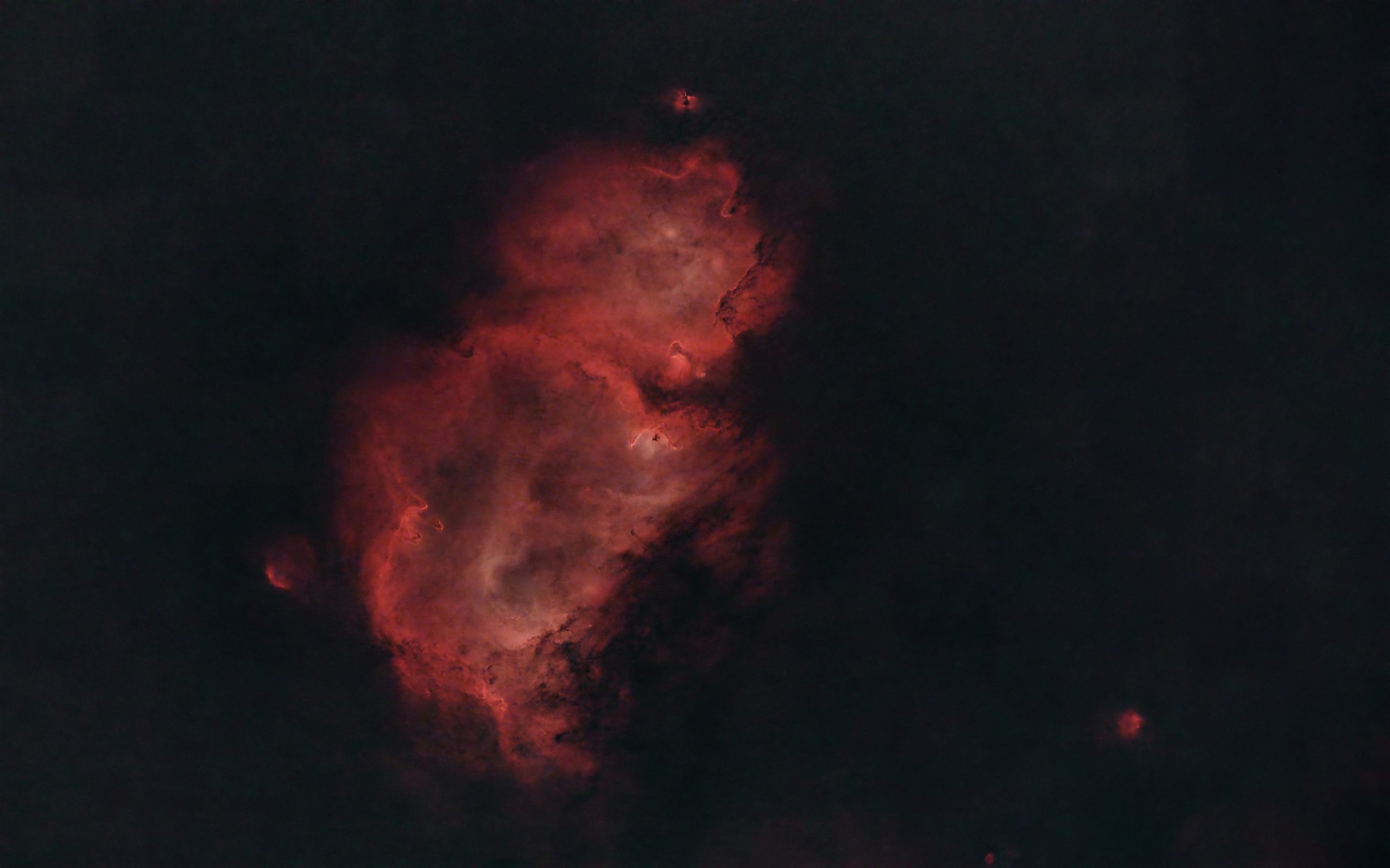
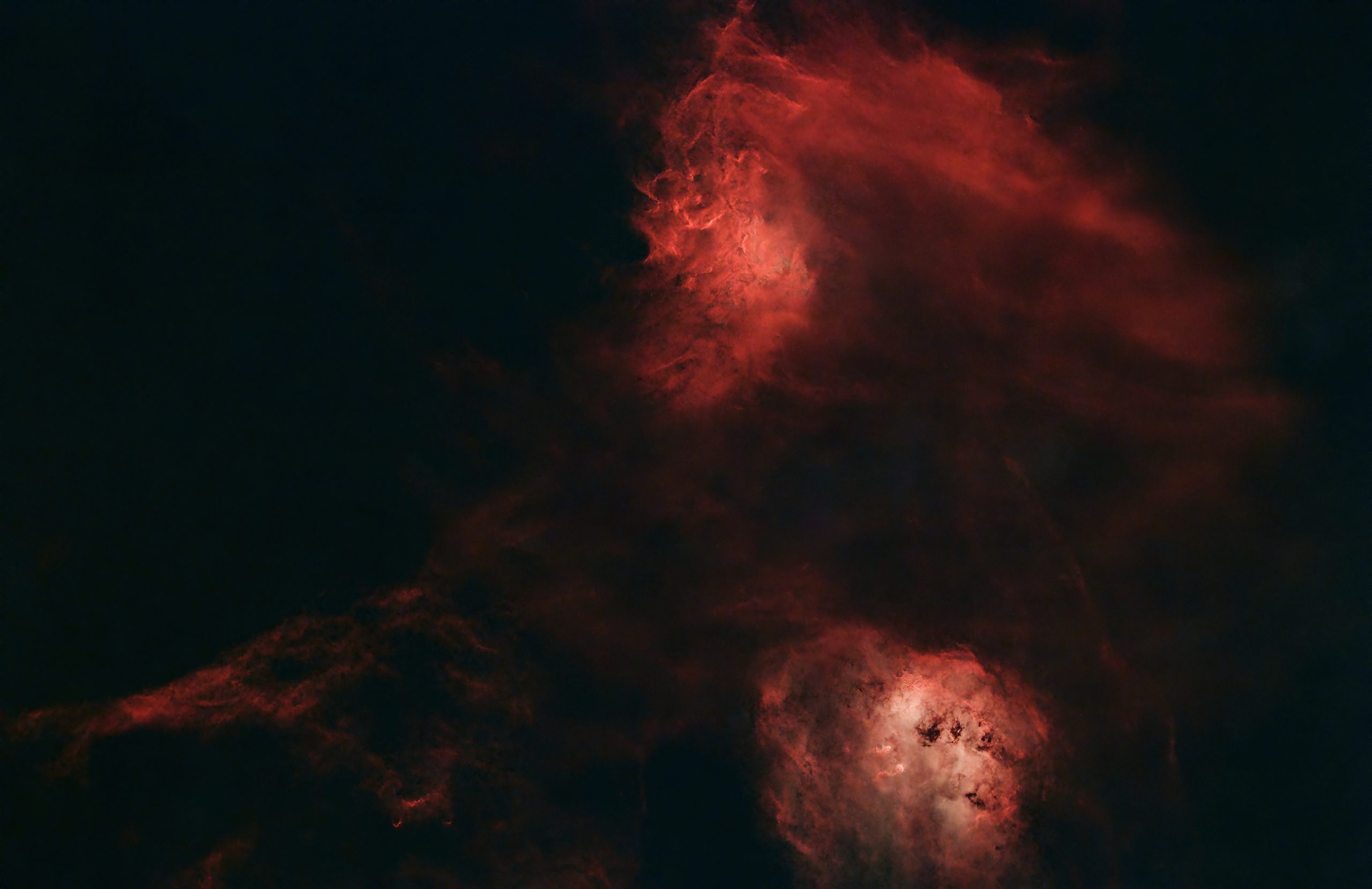
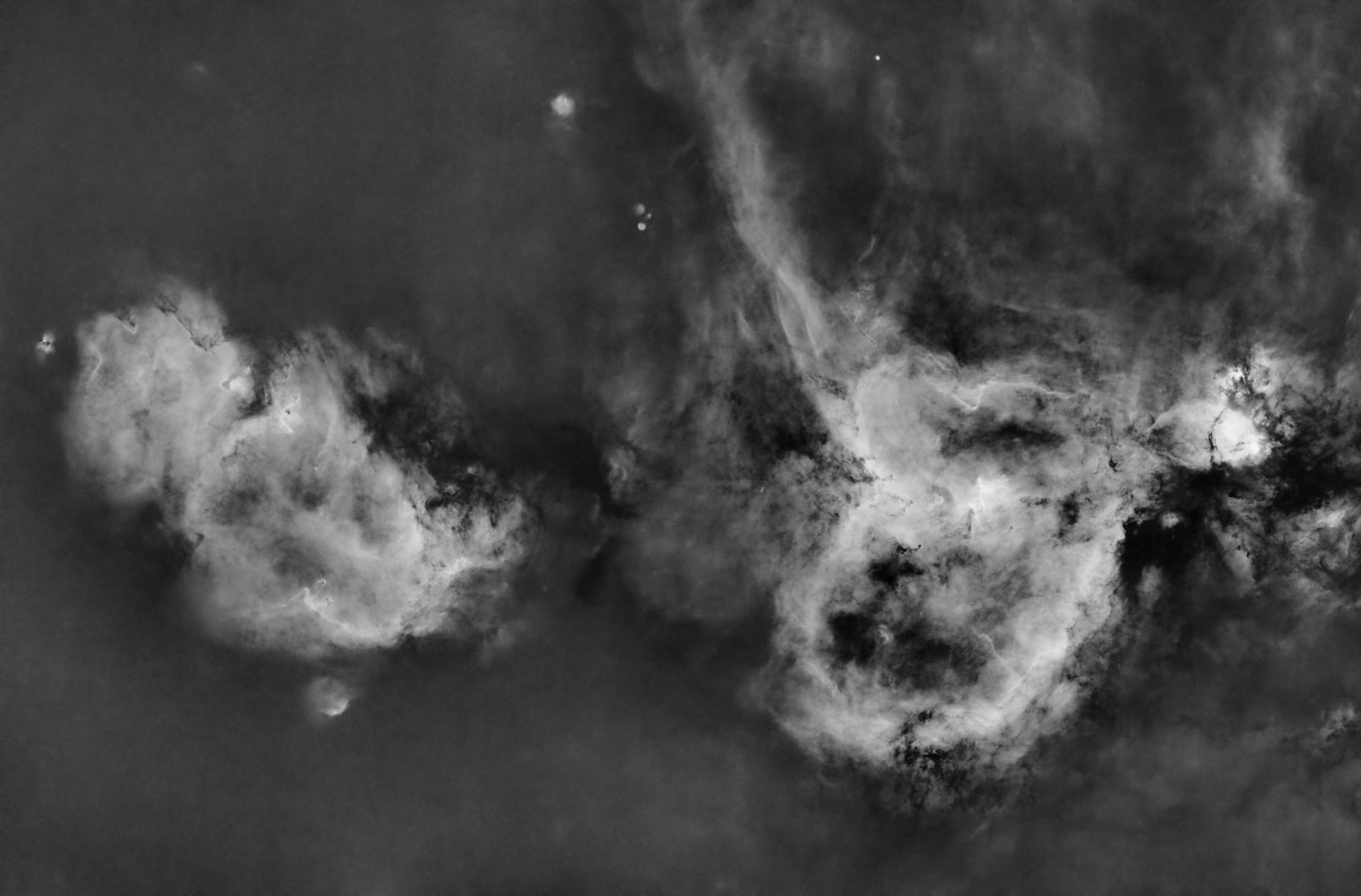
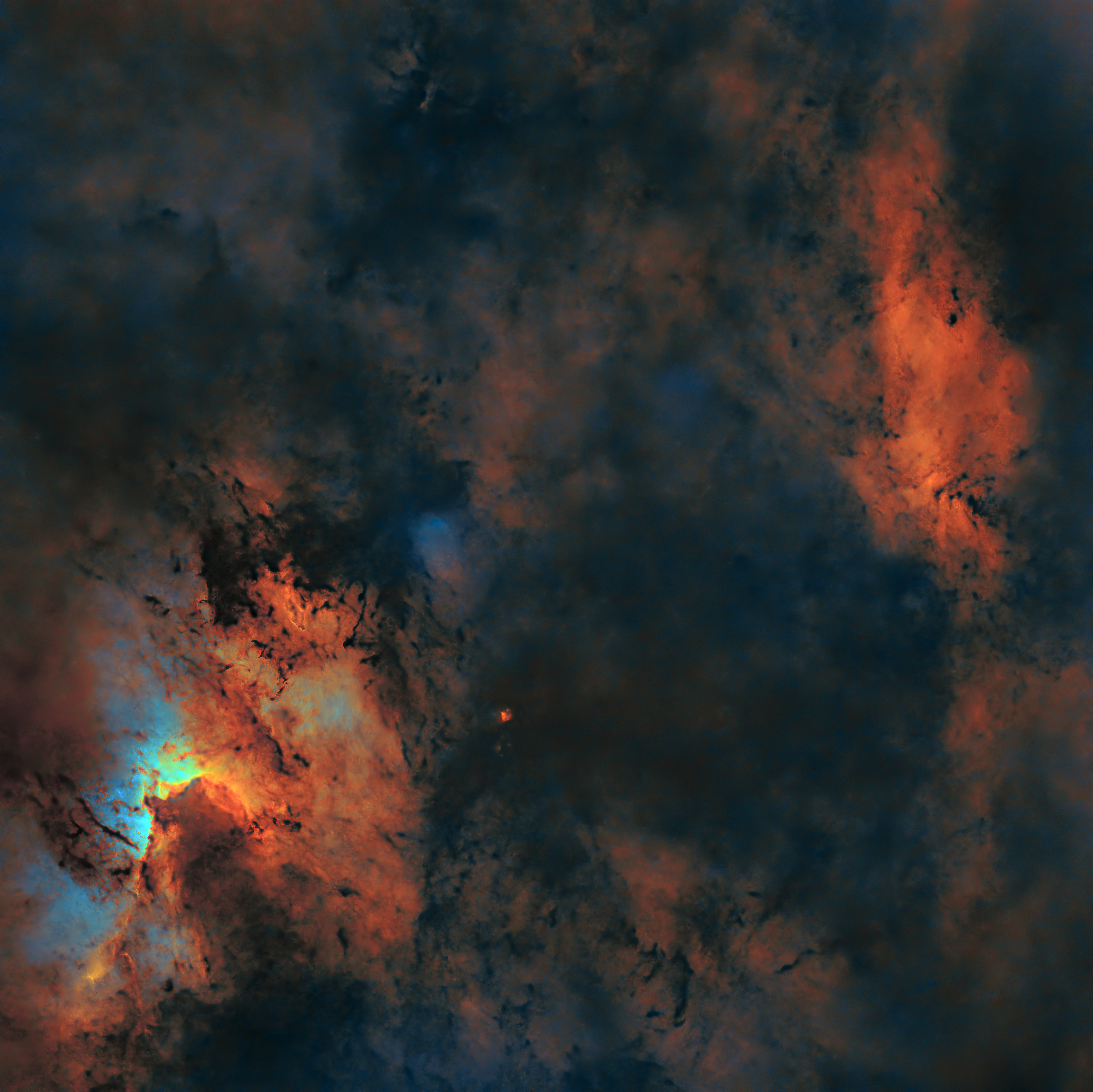
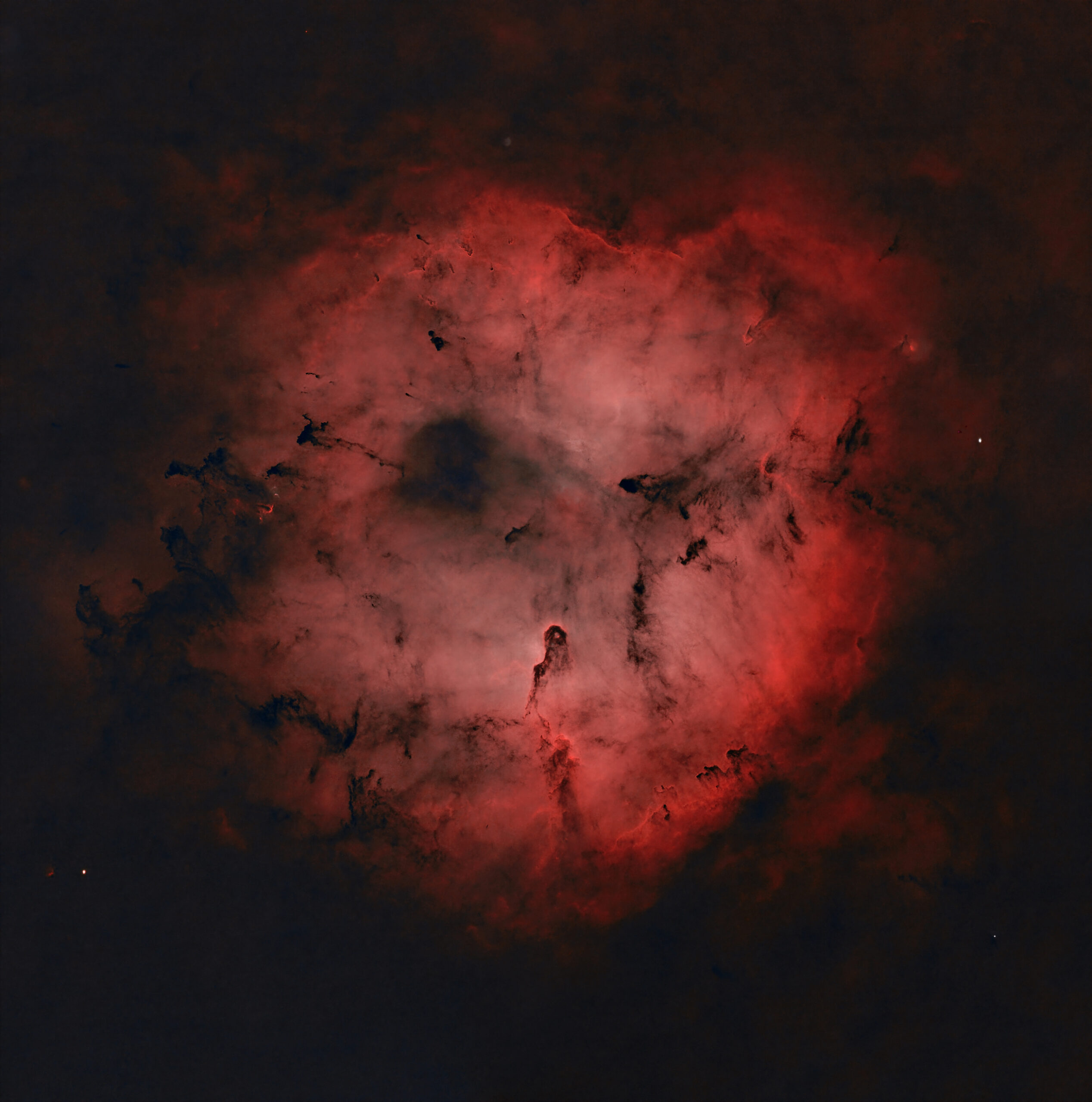
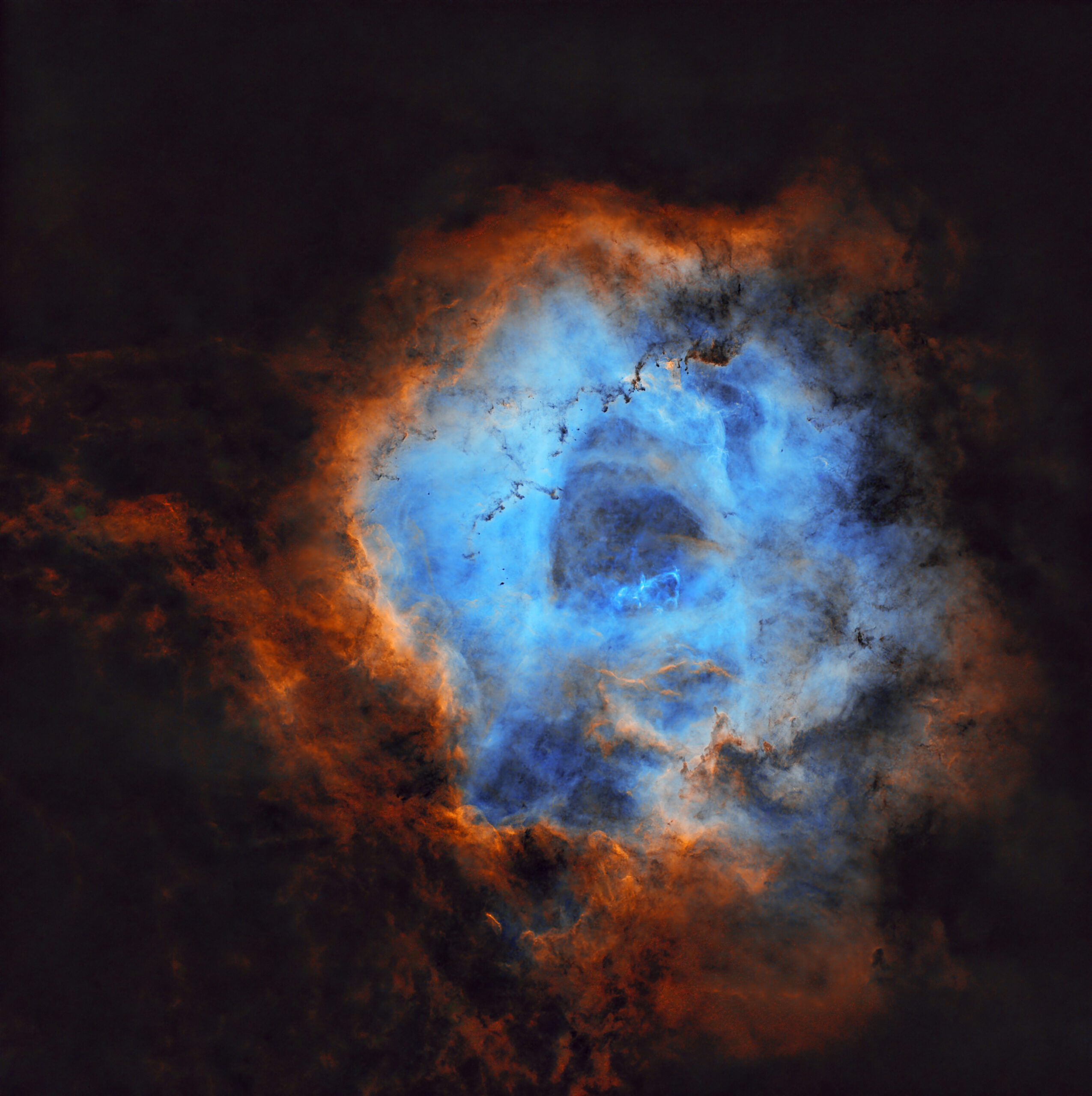
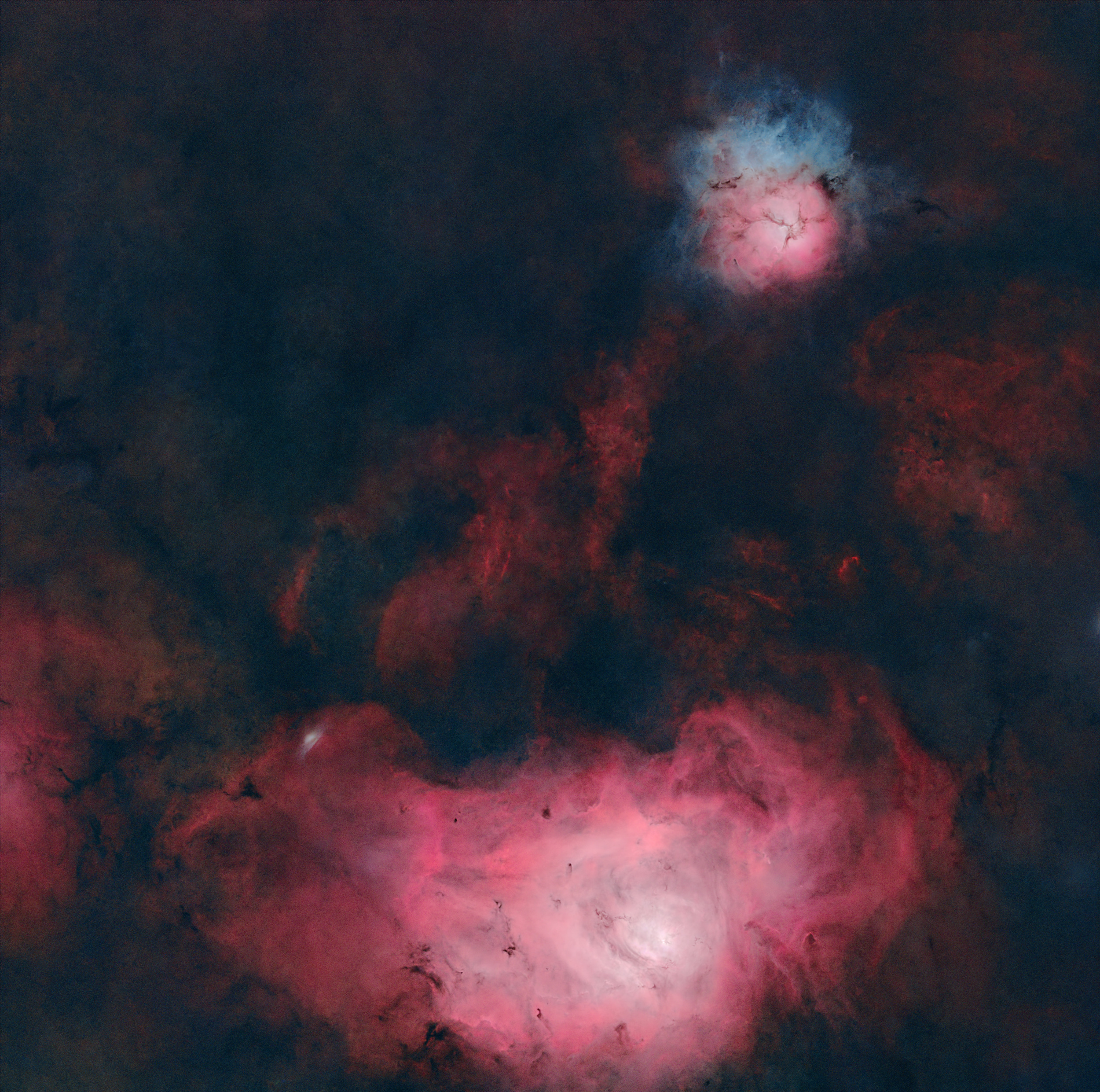
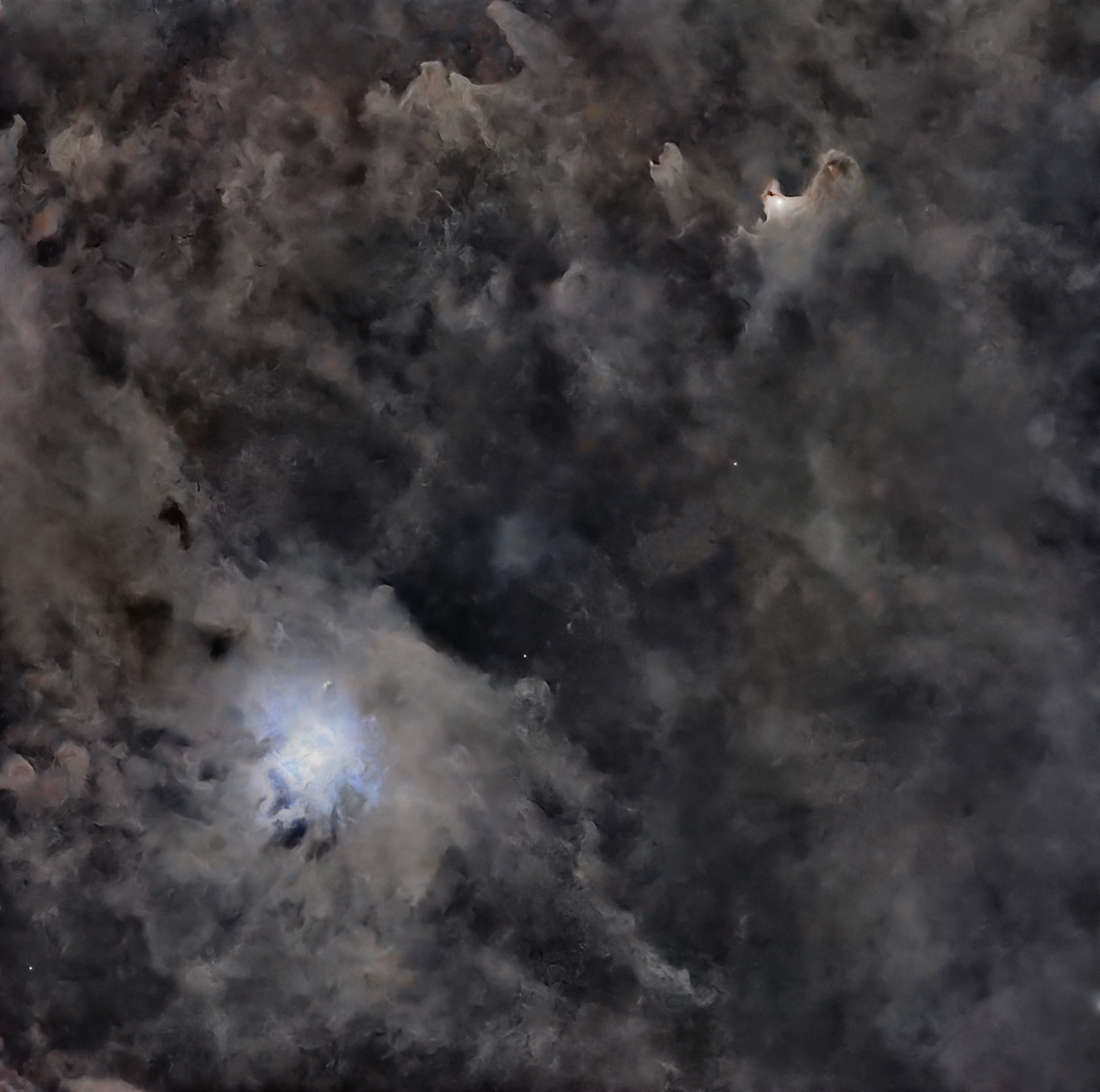
Russell Croman's script, StarXterminator, allows to remove stars from images in a very effective way, which allows appreciating in all its splendor the hydrogen nebulosity that makes up most emission nebulae. Here I leave you with a few images:

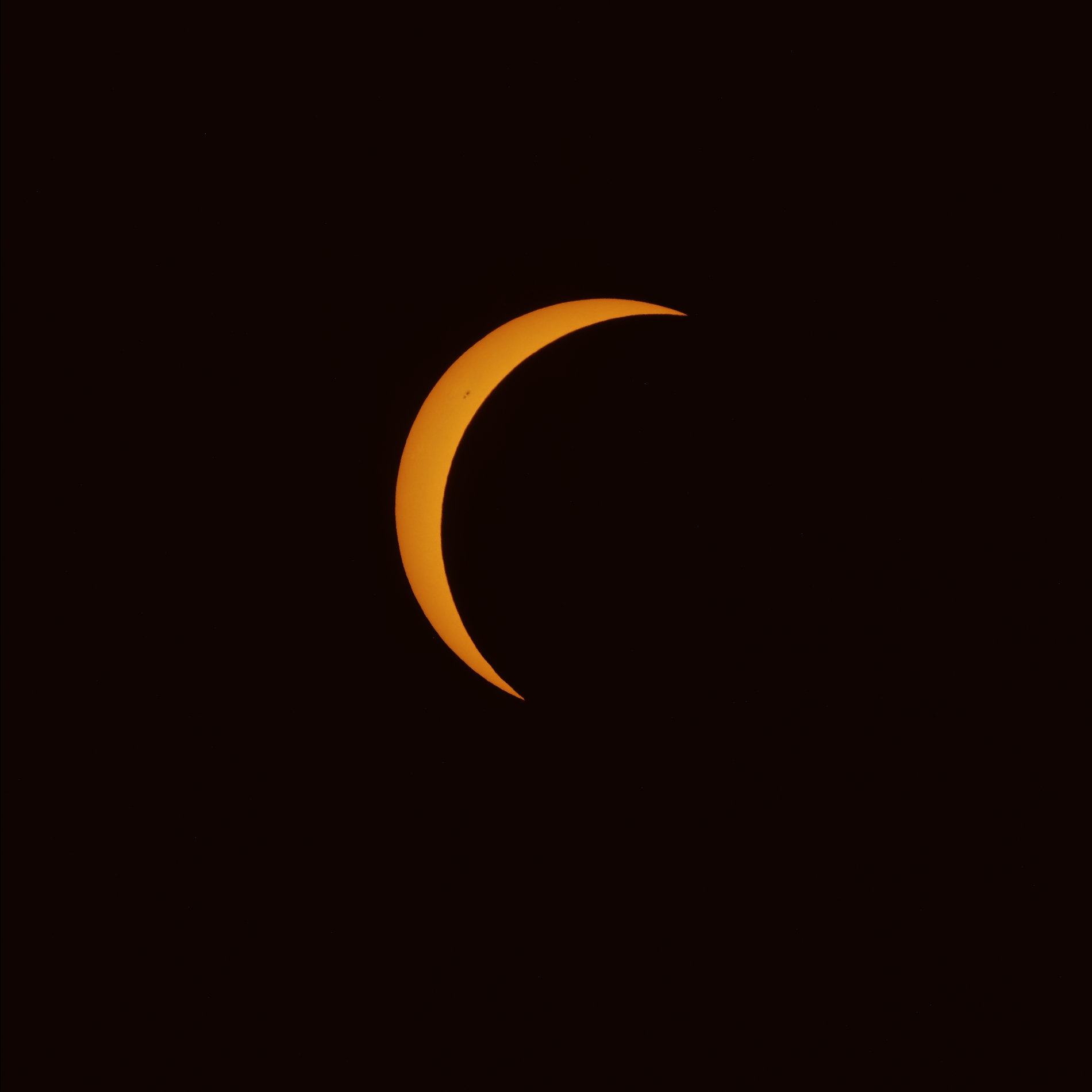
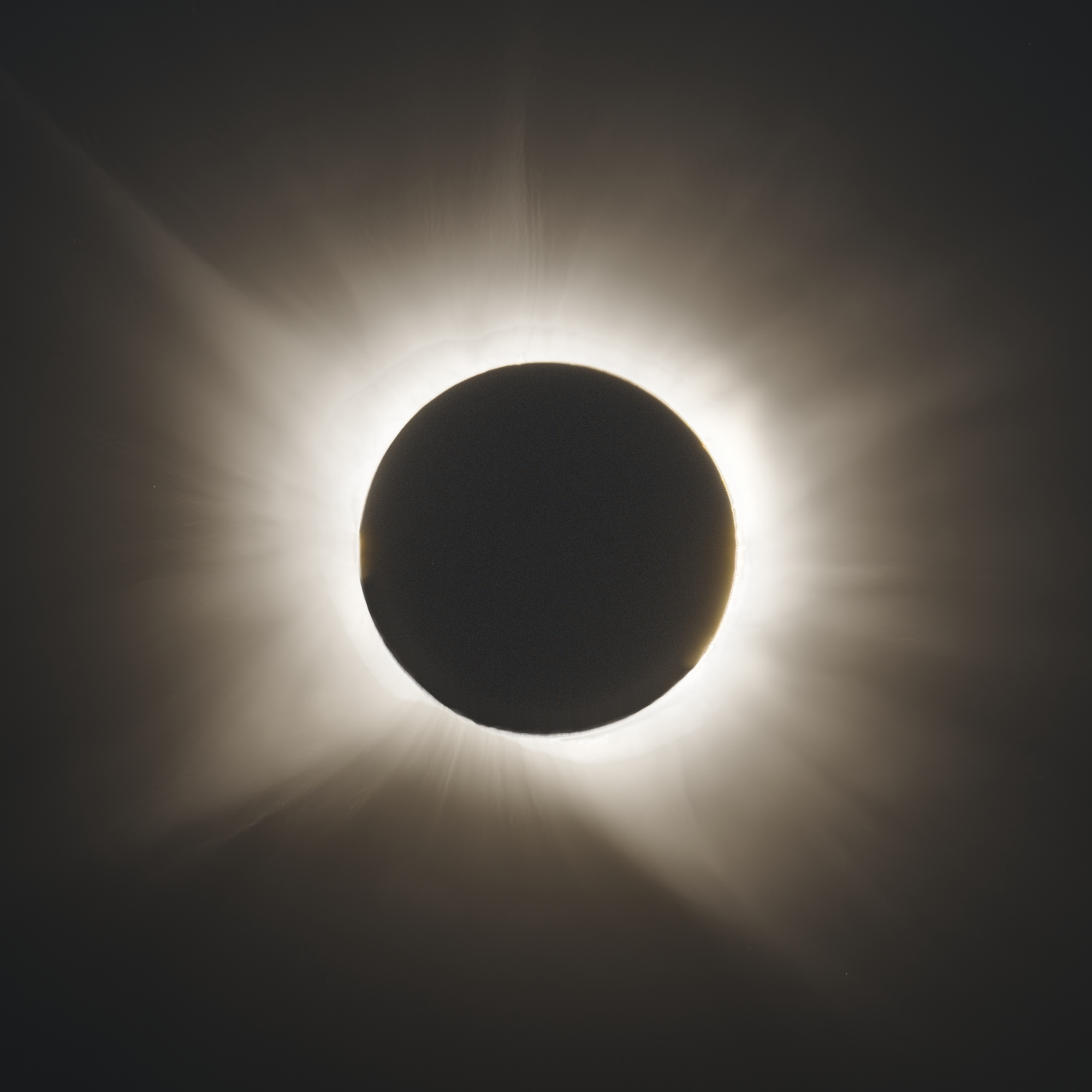
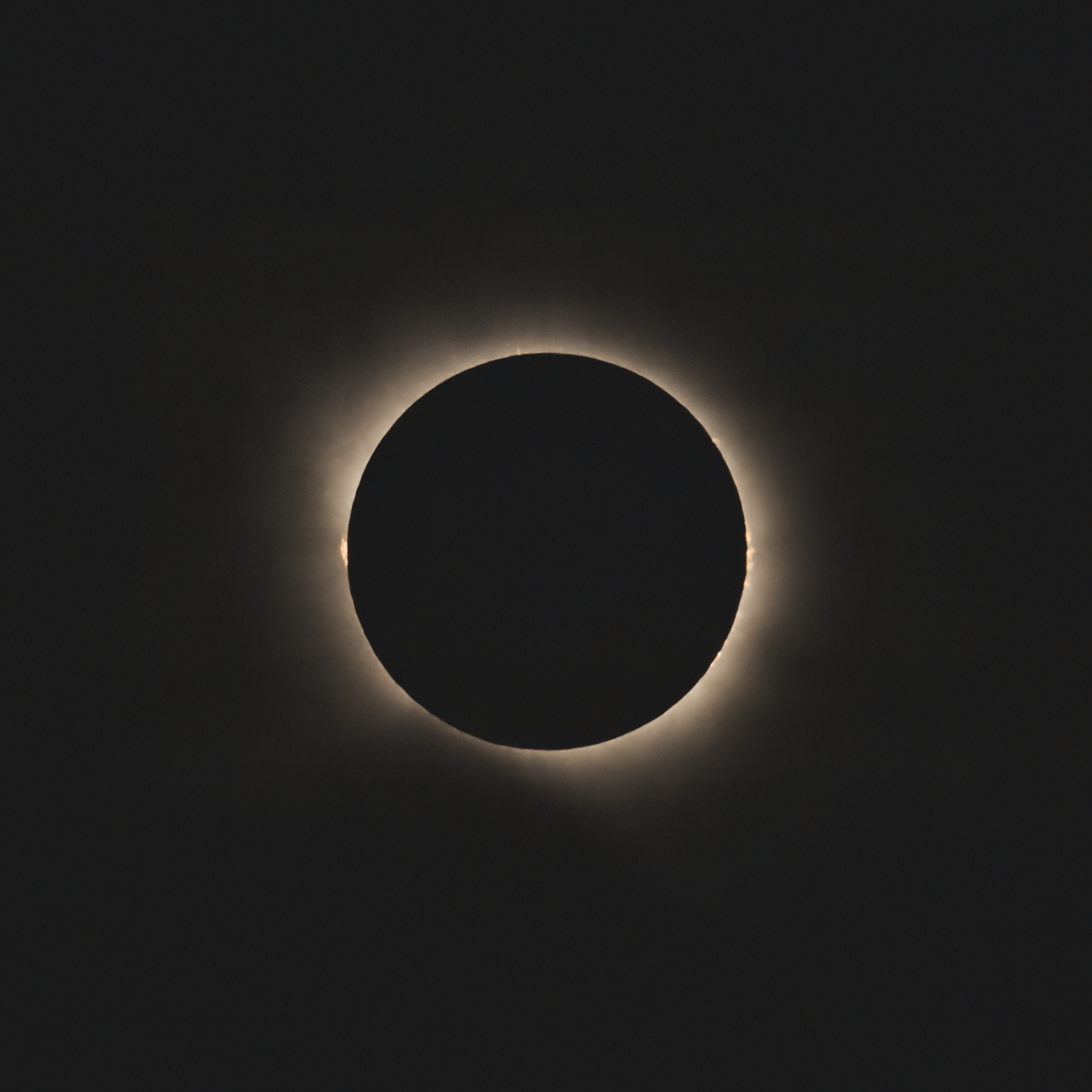
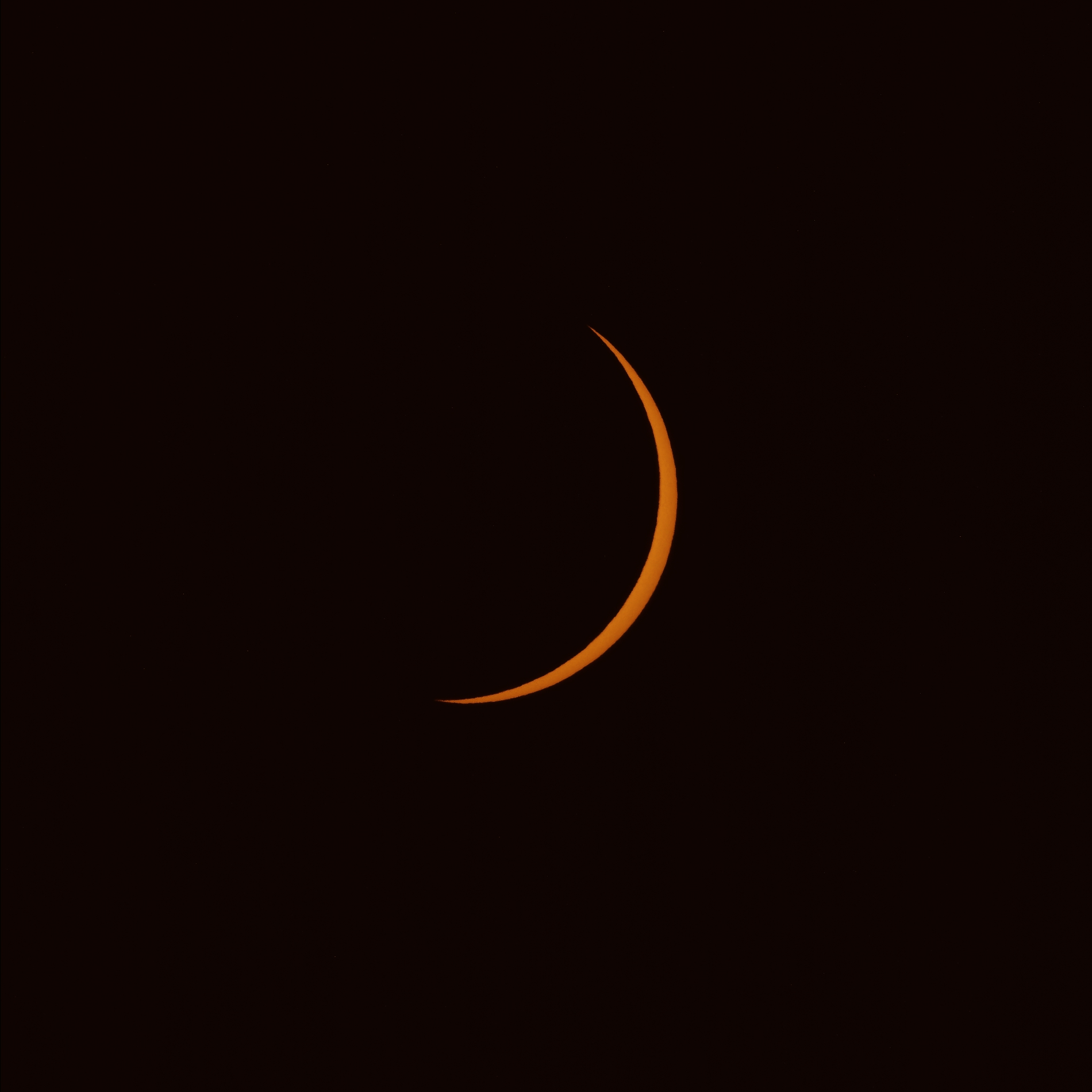
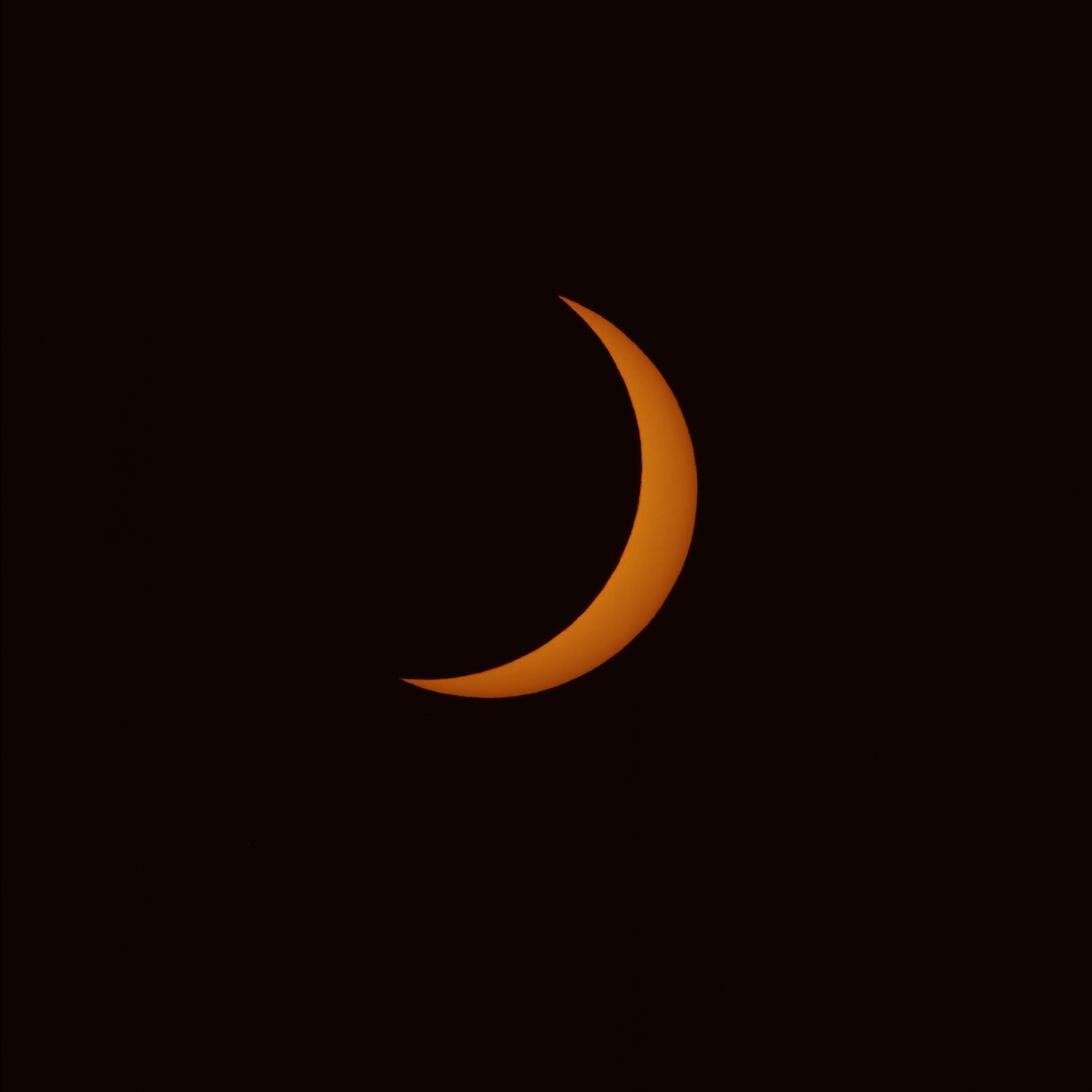
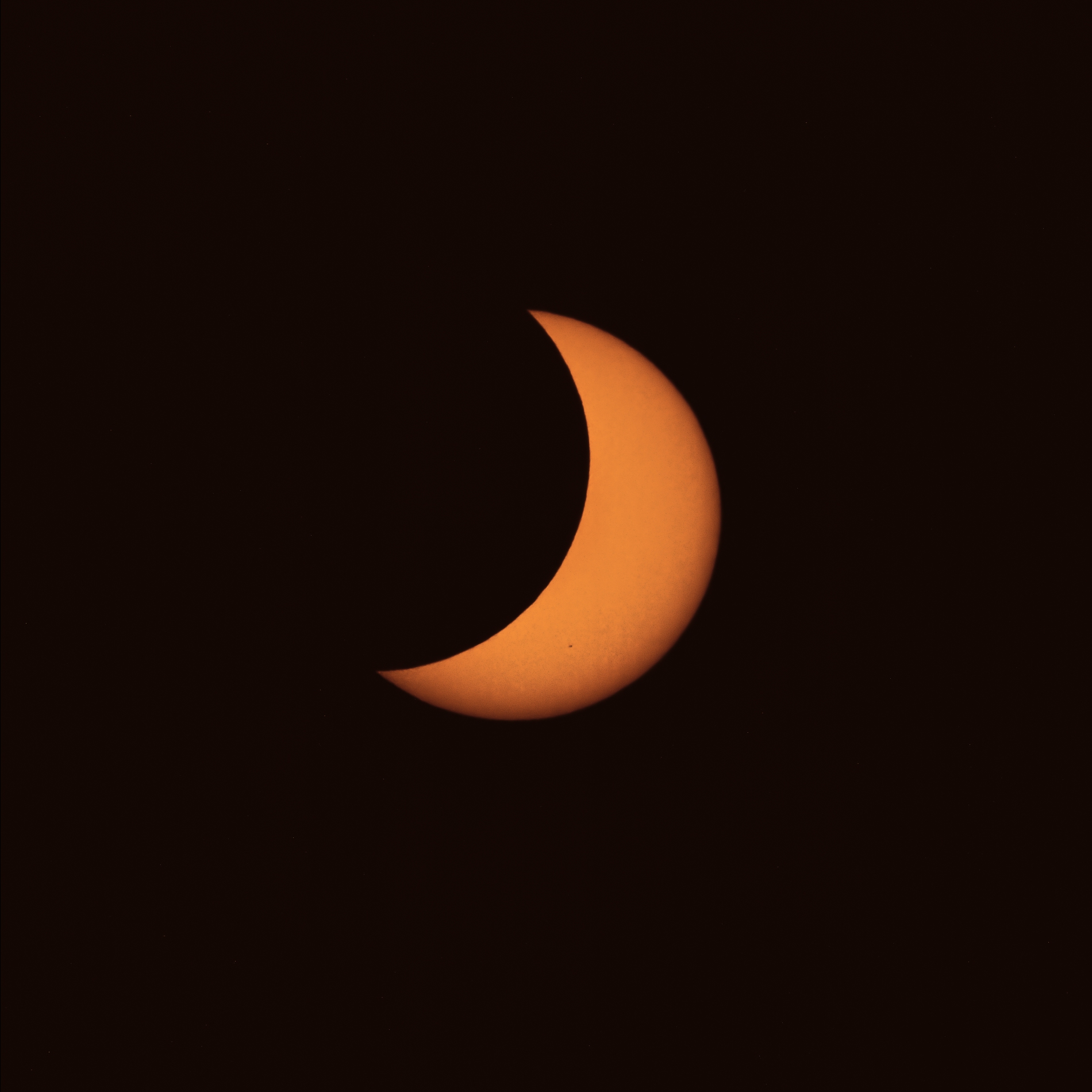
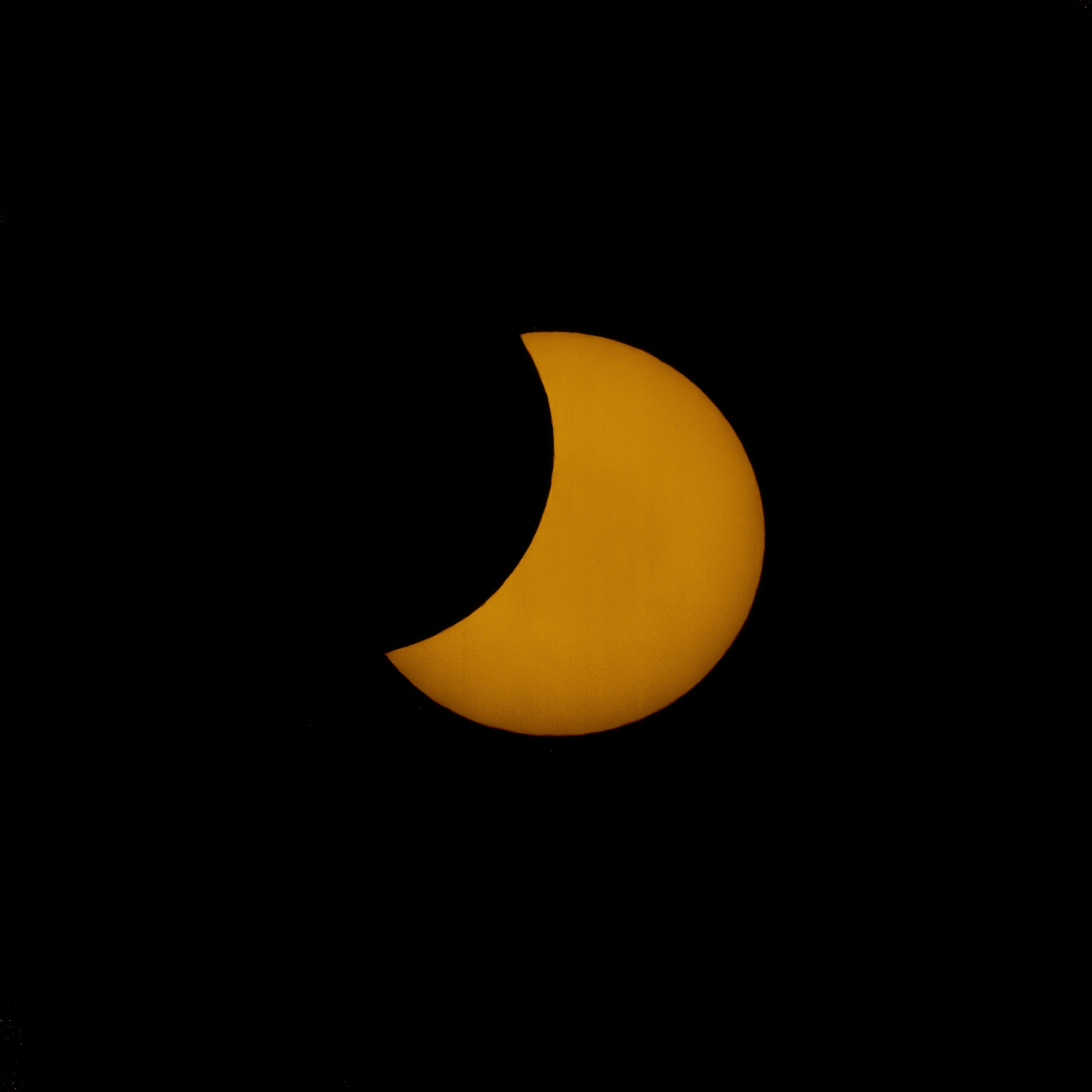
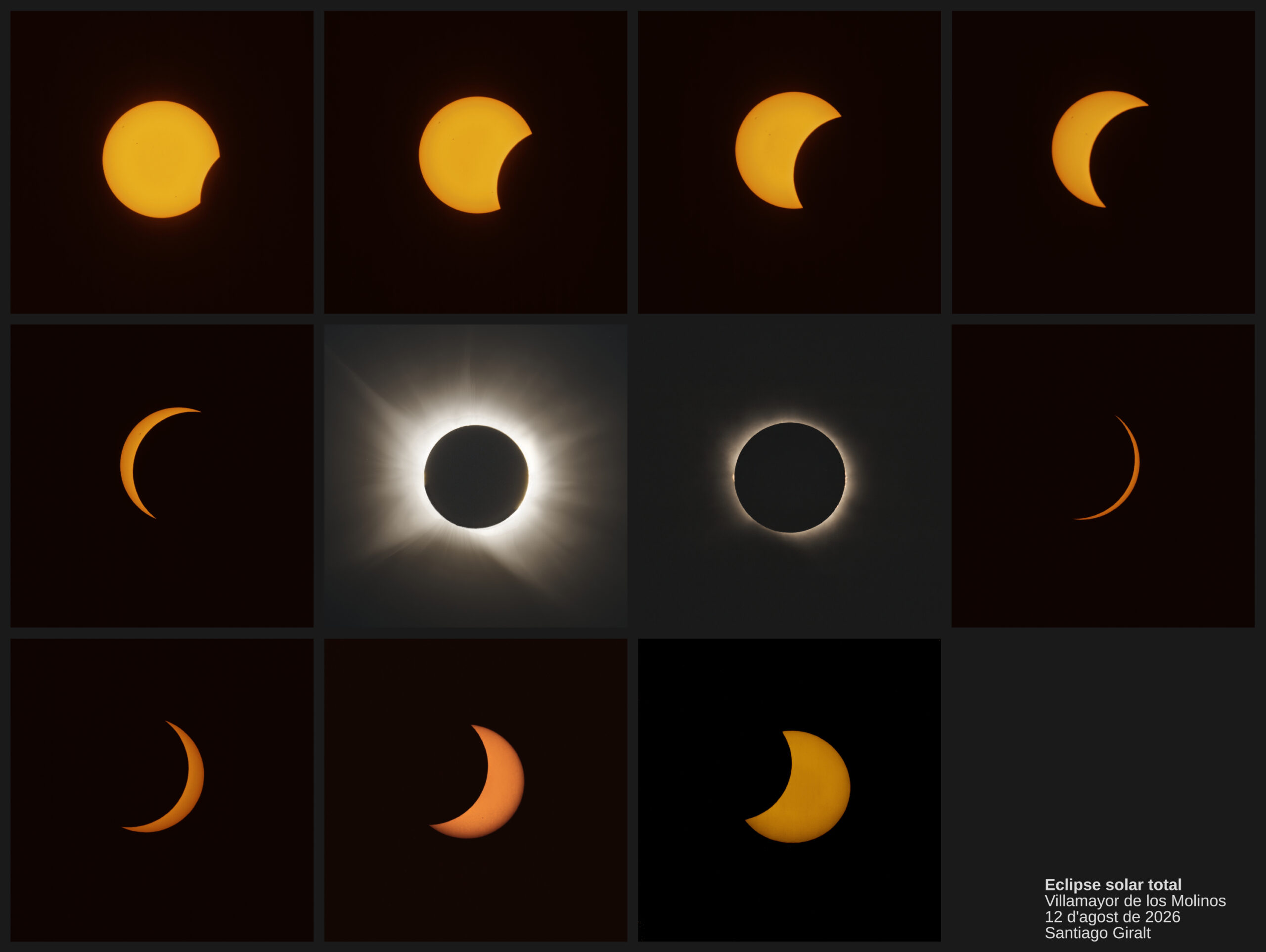
Total solar eclipse (August 12, 2026)
The total solar eclipse of August 12, 2026, deserves a separate chapter. First, because it was my first total eclipse (and the experience was impressive!), and second, because it is an astronomical event that stands on its own. I leave you with a few images of it. Each image explains how I obtained it. You will see that I used two approaches: one to capture the evolution of the eclipse and a second one specifically designed for the moment of totality.
In the end, you will find a montage of all the images.